
Dunhuang Museum

The main trap here is expectation, not fraud: some visitors assume the museum is part of the Mogao Caves visit or covered by the same ticket, and it is not — it is a separate city museum, run apart from the Dunhuang Academy, with its own (unconfirmed-here) entry terms. Beware any 'combo' bundling this museum with the caves or the dunes; those are different operators. Inside, it is an ordinary, safe public museum. The only real watch-out is the general one at Chinese heritage shops: museum-adjacent souvenir and replica stalls sell Dunhuang-themed goods of varying authenticity, so buy for enjoyment at clear prices, not as 'antiques'. There are no official quoted transfer times for this city; treat mapping figures as estimates.
Taxi & Street Navigation Help
师傅,去【敦煌博物馆】(敦煌市区),谢谢!
Opening Hours & Best Time
Opening hours and closing day are set by the museum and are not fixed here; the common convention for Chinese museums is a weekday closing day (frequently Monday) with daytime hours, but treat that as a likely pattern to verify, not a promise. Confirm the current schedule on the official notice before planning a visit, especially if you are squeezing the museum in on the same day as the caves.
💡 Pro Tip: The Dunhuang Museum is the best place to build the mental framework before you face the real thing: its collections trace the city's story as the choke-point of the Silk Road — a meeting place of Chinese, Central Asian, Indian and Tibetan currents — through Silk Road finds, Han-dynasty bamboo writing slips, Buddhist art, and replica-and-joint displays connected to the Mogao caves. That last point is the practical reason to prioritise it: inside the actual caves photography is banned and many fragile murals are either closed or glimpsed only briefly with a torch, so a museum visit lets you study Dunhuang art at length and in good light. Schedule it before or after the Mogao and the caves suddenly read far richer — you'll recognise the dynastic styles, the motifs and the trade goods the guide points to.
Accessibility & Luggage Lockers
Accessibility: ⚠️ Step thresholds, limited access
A modern municipal museum building, which typically means level entry and indoor galleries far more accessible than the region's desert and cave sites; specific lift/ramp provision is not confirmed here, so check with the venue if access is decisive.
🧳 Luggage Storage: City museums commonly offer cloakroom or locker service near the entrance; not confirmed for this venue — ask at the front desk.
Nearby Landmarks
The 2 places within reach of this spot — each one opens straight into Apple Maps or Amap, with the Chinese name you can show a driver.
- The Mogao Caves and Digital Display Centre, to the south-eastTowerNearbyseparate operator, separate ticket
Also worth pairing: Mingsha Mountain & Crescent Spring, to the south-west (separate ticket) — real picks, just left off the grid so the cards stay in pairs.
Chinese names and pins are matched against each city's own map data at build time; a place only gets Directions once its pin has been verified, otherwise the button searches by name.
About Dunhuang Museum
1. Historical Origins: Reading Dunhuang Before You See It
Dunhuang’s importance was never about the oasis town itself but about its position: the last proper stop inside the Jade Gate before the road split around the terrible Taklamakan Desert, and the first back into Chinese territory for everything arriving from the west. That geography made it a warehouse of civilisations, and the Dunhuang Museum is the city’s attempt to lay that history out in order — the Silk Road trade goods, the administrative relics of frontier garrisons, the written record, and the Buddhist art for which the region is famous.
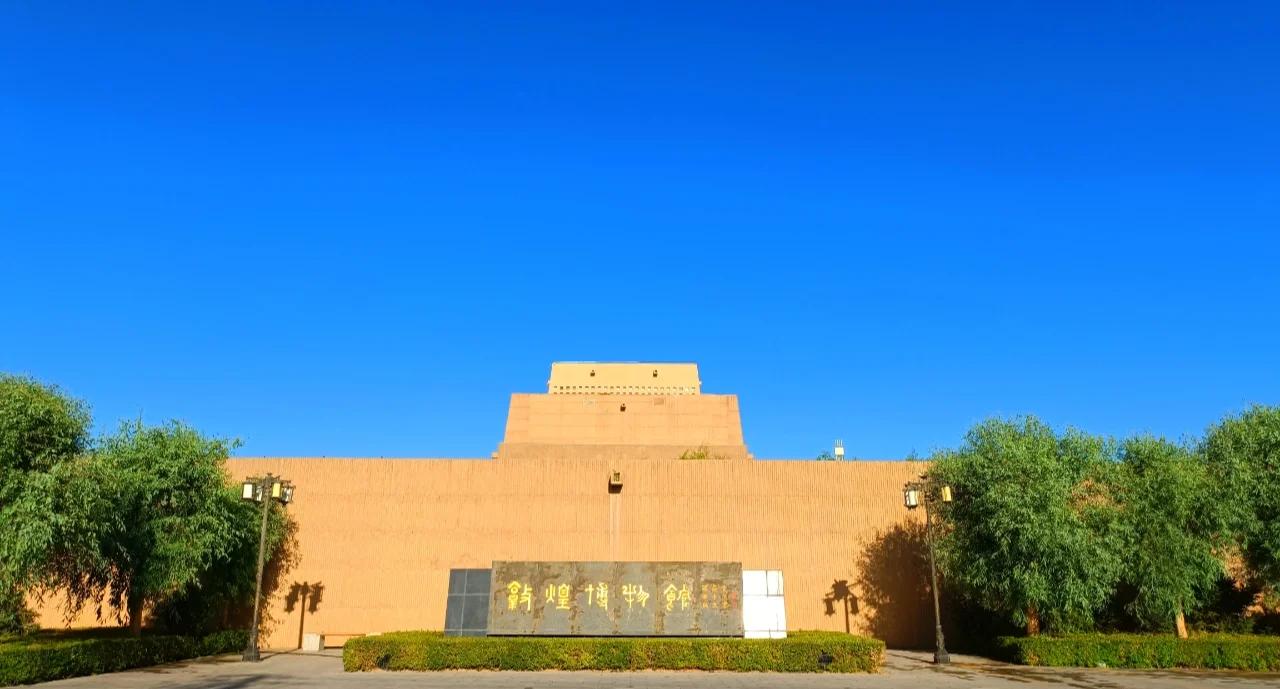
Its collections run from Han-dynasty bamboo writing slips — the paperwork of the empire that first fortified this corridor — through Silk Road finds that carry Indian, Central Asian and Tibetan signatures, to Buddhist art and Mogao-related replicas and joint displays. Because the real caves forbid photography and open only a rotating fraction of chambers, the museum plays a quietly essential role: it is where you can stand before Dunhuang art in good light, take your time, and learn the visual grammar — dynastic styles, motifs, trade objects — that turns a rushed, torch-lit cave tour into something you can actually read.
2. What to Spot: Silk Road Finds, Han Slips, Buddhist Art
🛤️ The Silk Road Collection
- The Story: Objects that moved through Dunhuang, the desert’s gateway town, over many centuries.
- What to Look For: The mix of origins in one case — Chinese, Central Asian, Indian, Tibetan — the material proof of a meeting place.
📜 Han Bamboo Slips & Frontier Paperwork
- The Story: Writing strips from the garrison-and-post roads that first tied this corridor to the Chinese court.
- What to Look For: Everyday records — rations, passes, dispatches — that show the administrative machine behind the romance.
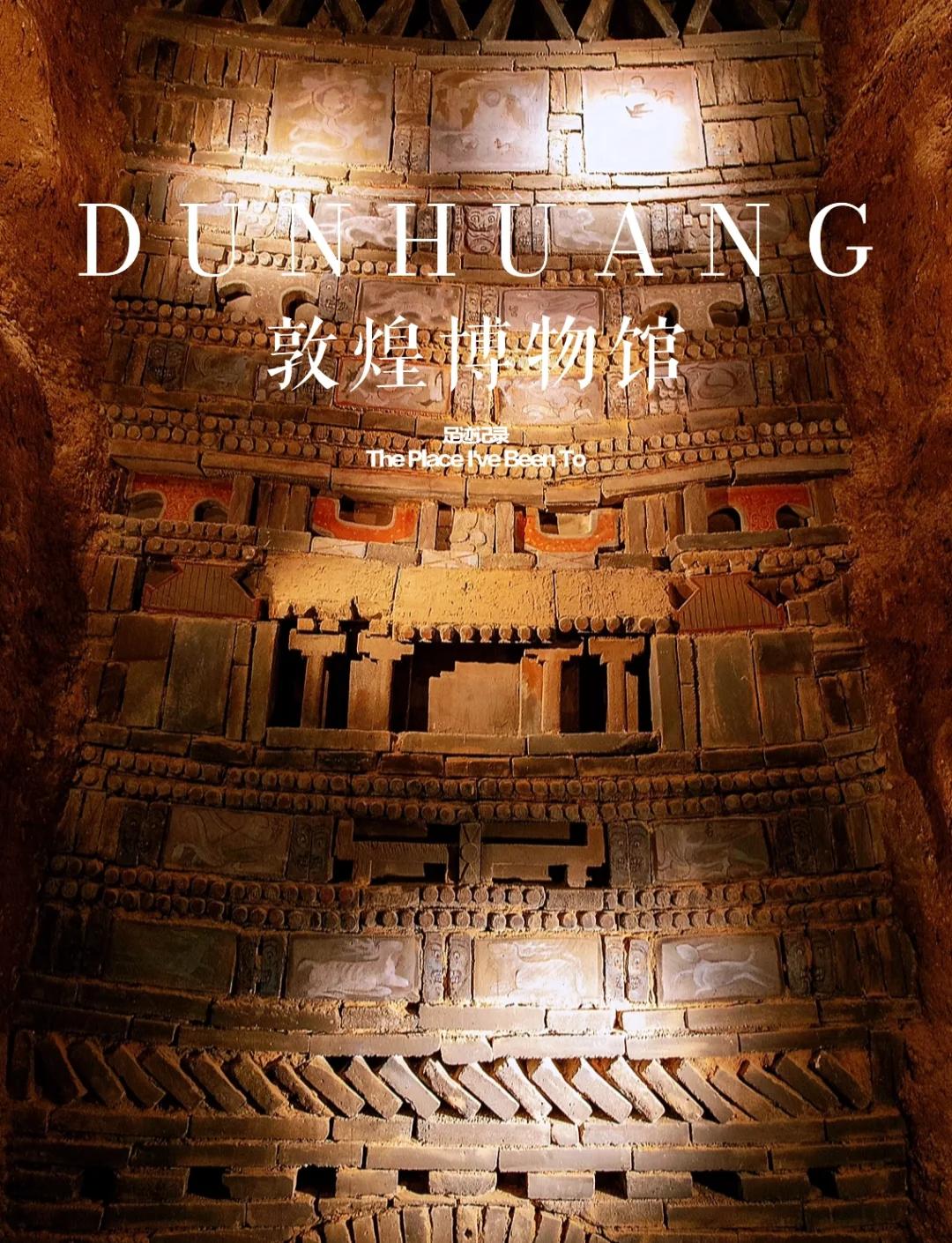
🪷 Buddhist Art & Mogao Connections
- The Story: Religious art from the region, with replicas and linked displays tied to the caves.
- What to Look For: Details you can study at leisure — then spot the same vocabulary when your guide’s torch sweeps a real mural.
3. Cultural Contrast: The Museum as Gateway, Not Afterthought
In much of the world a city museum is the polite indoor prelude people skip on the way to the famous outdoor sight. At Dunhuang the order reverses: the caves are the headline but are, by conservation design, a restricted, fleeting, no-photography experience, so the museum is where genuine understanding is actually assembled. Far from a lesser substitute, it is the place that makes the flagship legible — a case of the ‘secondary’ site doing the primary interpretive work.
That inversion carries a broader lesson about how China now presents fragile heritage: the physical original is protected by limiting access (capped tickets, closed caves, films, replicas), while the interpretation migrates to museums and digital display. A visitor who feels short-changed by a five-minute torch-lit glimpse of a mural has simply misunderstood the model. The Dunhuang Museum — with its unhurried, well-lit galleries and its context — is the intended other half of that bargain. Visit it deliberately, ideally before the Mogao, and the whole trip clicks into focus.
4. Practical Essentials: Tickets, Timing & Scam Alerts
Tickets & Documents
- Price / entry: city-museum terms that are not confirmed here — free-with-reservation is common for this museum type in China but is not asserted for this venue; check the museum’s own official channel for ticket, reservation or document requirements before going.
- Passport: foreign-visitor entry documents and any reservation follow the museum’s posted policy; verify officially rather than assuming another site’s rules apply.
How to Get There
- Where it is: in Dunhuang city, an easy add-on around the airport or rail station and the other sights; this city publishes no official drive times, so treat mapping figures as estimates.
- Show Your Driver: 师傅,去【敦煌博物馆】(敦煌市区),谢谢!
Inside Tips & Scam Alerts
- Go before the Mogao if you can — the framework it gives you pays off enormously inside the caves. Watch for the closing day (commonly Monday, but verify) and don’t assume a single ticket chains the museum, caves and dunes together; they are separate operators. Complaints / lost property: 12345, free from a local number.
Quick Answers
The 5 things visitors ask before setting out, answered from the same verified record used across this page.
- What are the opening hours at Dunhuang Museum?
- Opening hours and closing day are set by the museum and are not fixed here; the common convention for Chinese museums is a weekday closing day (frequently Monday) with daytime hours, but treat that as a likely pattern to verify, not a promise. Confirm the current schedule on the official notice before planning a visit, especially if you are squeezing the museum in on the same day as the caves.
- Is Dunhuang Museum wheelchair accessible?
- Not fully. A modern municipal museum building, which typically means level entry and indoor galleries far more accessible than the region's desert and cave sites; specific lift/ramp provision is not confirmed here, so check with the venue if access is decisive.
- How do I tell a taxi driver to take me to Dunhuang Museum?
- Copy this line into DiDi or show it to the driver: 师傅,去【敦煌博物馆】(敦煌市区),谢谢!
- Can I leave my luggage at Dunhuang Museum?
- City museums commonly offer cloakroom or locker service near the entrance; not confirmed for this venue — ask at the front desk.
- Is there anything to watch out for at Dunhuang Museum?
- The main trap here is expectation, not fraud: some visitors assume the museum is part of the Mogao Caves visit or covered by the same ticket, and it is not — it is a separate city museum, run apart from the Dunhuang Academy, with its own (unconfirmed-here) entry terms. Beware any 'combo' bundling this museum with the caves or the dunes; those are different operators. Inside, it is an ordinary, safe public museum. The only real watch-out is the general one at Chinese heritage shops: museum-adjacent souvenir and replica stalls sell Dunhuang-themed goods of varying authenticity, so buy for enjoyment at clear prices, not as 'antiques'. There are no official quoted transfer times for this city; treat mapping figures as estimates.
Where to go next
Three short lists, recomputed at build time from the same coordinates and categories as the pages themselves — no paid placement, no hand-picked names. Every card is a published guide.
Next stop in Dunhuang
Straight-line distance from this spot, so you can judge what is walkable and what needs a taxi.


More like this, elsewhere in China
If landmark is what you came for, these are the closest equivalents you can reach in another city — ordered by distance, one city per card.


Change the subject
Deliberately a different category, for when one more temple or garden would blur into the last one.


Lists are derived from coordinates and category alone. Fix a wrong pin or re-tag a place and every list that mentions it moves with it.
Before you go · arrival essentials
Practical guides that pair with this kind of place — picked by category, not sponsored placement.