
Shangxiahang Historic Quarter

Free to enter - anyone at the lane entrances selling tickets or 'heritage tours' is not official. The restored teahouses charge city-centre prices; the older 小吃 shops on the side alleys cost half.
Taxi & Street Navigation Help
师傅,请带我到上下杭历史文化街区(下杭路),谢谢!
Opening Hours & Best Time
Open 24h; shops and teahouses about 10:00-22:00.
💡 Pro Tip: This is Fuzhou's merchant quarter, not its scholar quarter - the story is the 上下杭 river trade that made the city rich. Come at dusk when the canal lights come on and the locals come out; the food street section is at its best then. Two hours, and it pairs with 中亭街 next door.
Accessibility & Luggage Lockers
Accessibility: ♿ Wheelchair & Stroller Friendly
Restored stone-paved lanes along a canal, mostly level with a few stepped bridges. Step-free along the main 下杭路 spine.
🧳 Luggage Storage: No storage.
Nearby Landmarks & A Short Train Ride
The 4 places worth pairing with this spot — each one opens straight into Apple Maps or Amap, with the Chinese name you can show a driver. One pick sits in Xiamen (HSR ~58 min) — a short high-speed ride, not a walk. Fuzhou's own list came out one short of a pair, and this is the nearest pick that fills it.
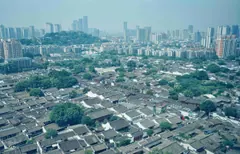 三坊七巷Sanfang QixiangHistoric districtShort ride away3.42 km1.5 km north
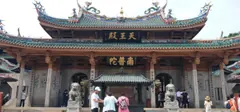
Chinese names and pins are matched against each city's own map data at build time; a place only gets Directions once its pin has been verified, otherwise the button searches by name. Cards with an amber city tag are in another city — the ride time shown is the fastest train of the day.
About Shangxiahang Historic Quarter
1. Historical Origins: The Merchant Quarter, Not the Scholar Quarter
Fuzhou has two historic districts and they tell opposite stories. Sanfang Qixiang is where officials and scholars lived. Shangxiahang, across the river in Taijiang, is where the traders lived — the wharves and warehouses of the Min River trade, the guild halls of merchants from elsewhere, and the red-brick shophouses that Chinese merchants built in the European manner as soon as it became profitable to do so.
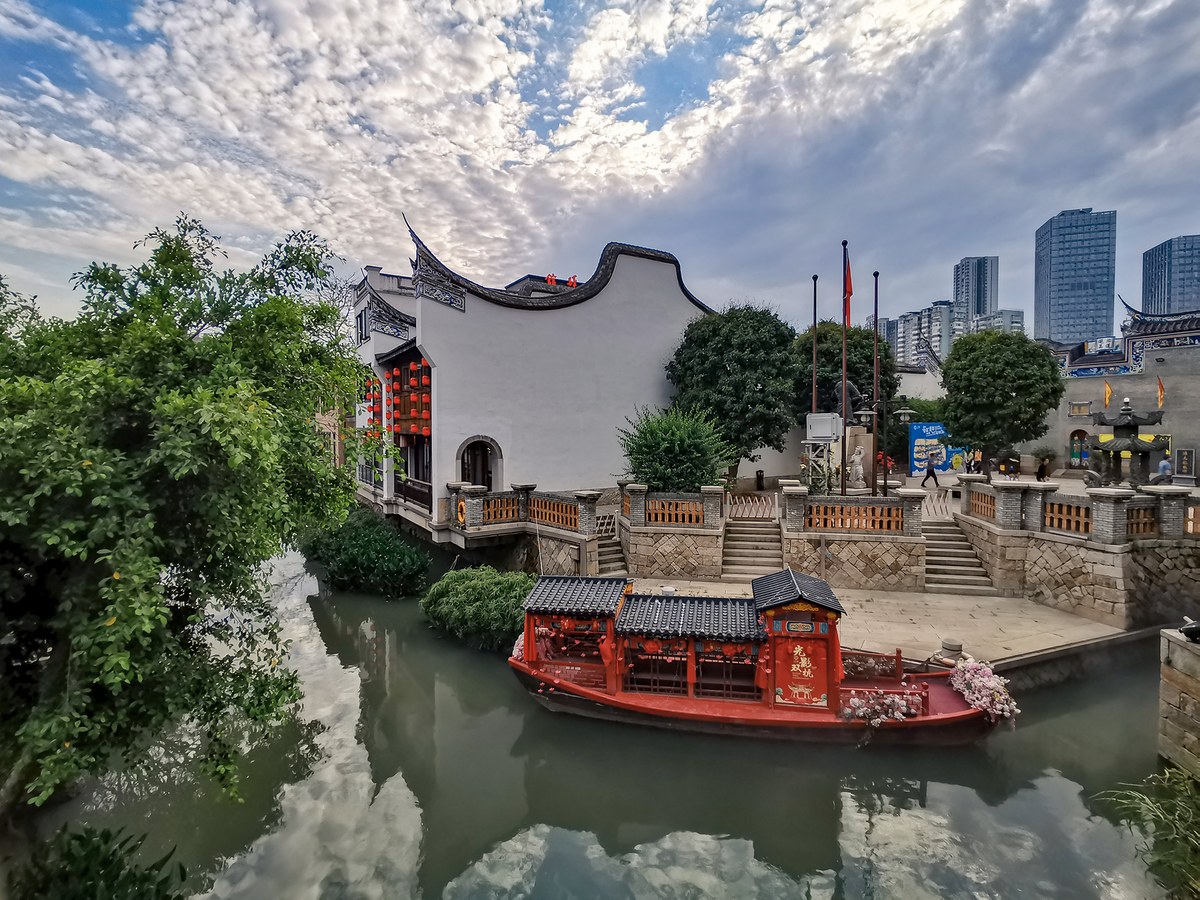
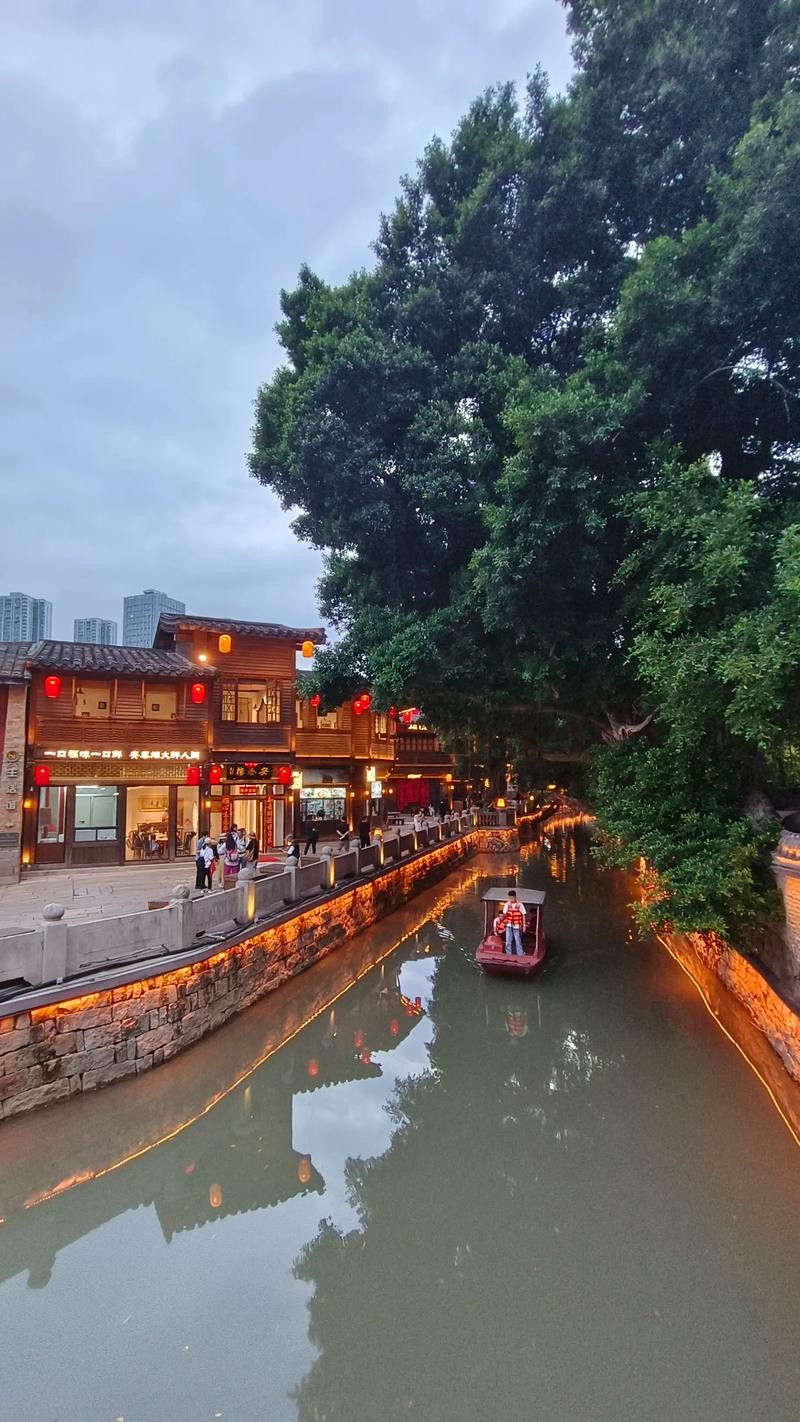
The water is still there: a small canal grid that once carried goods to the doors. Bridges, guild halls and a temple to the god of the sea-frontier are what survive of the merchant network that made this the city’s commercial engine.
2. What to Spot: Red Brick, Bridges, Guild Halls
🧱 Two Kinds of Wall
The architecture is the point: grey-brick courtyard houses with timber frames next to red-brick façades with arched windows and Western cornices. Neither style is a copy of the other — they were built by the same merchants, for the same streets, within a few decades.
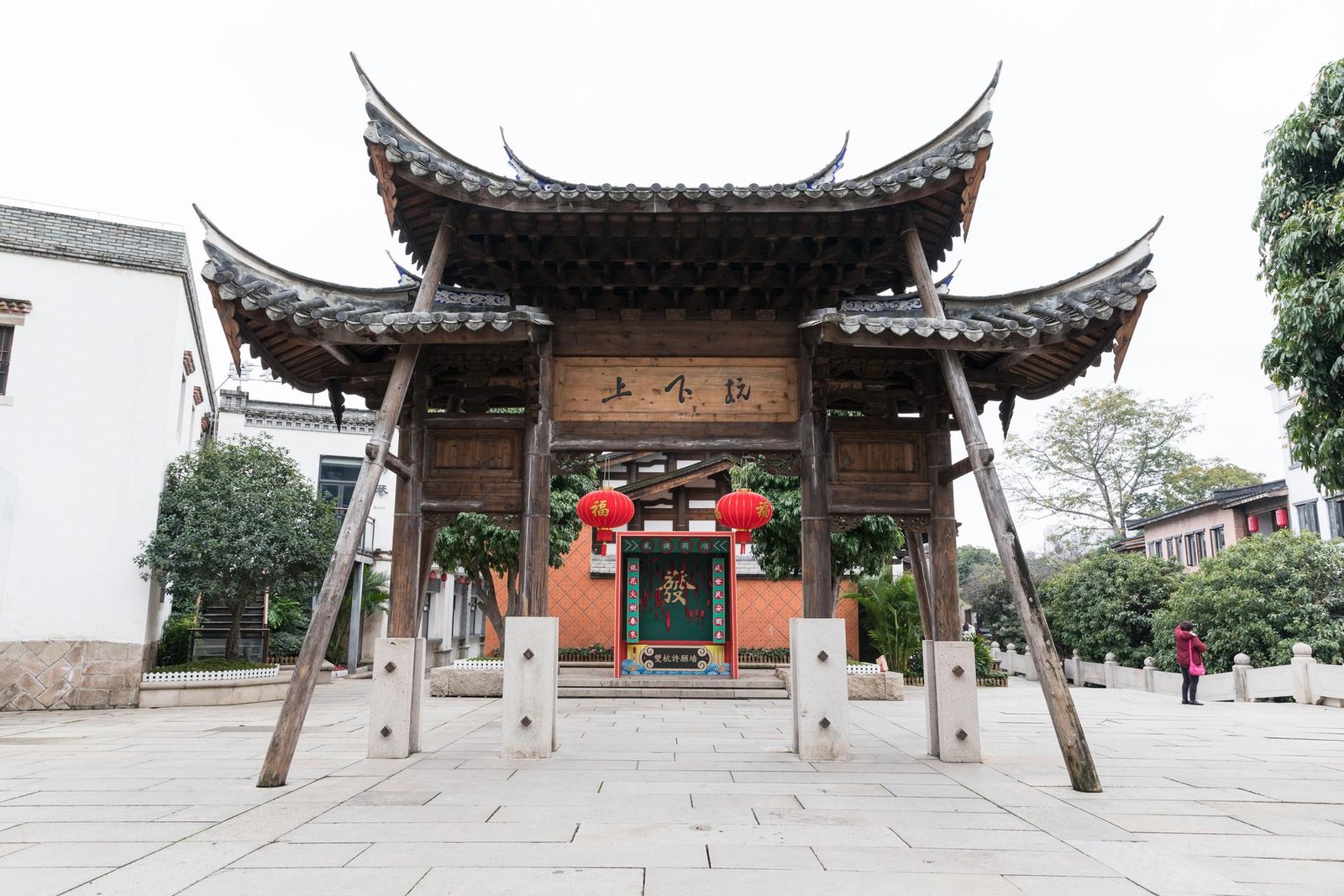
- The Story: The red brick is not a colonial import. It is local merchants signalling that they traded with the world, in a city where foreign trade was the source of the money in the first place.
- What to Look For: Window heads and cornices on the red buildings, and the deep shadowed eaves on the grey ones. Same street, two centuries of money.
🌉 The Canal Bridges
The small stone bridges over the canal are the quarter’s best photographs, and they are functional: this was a working waterfront where boats unloaded inside the street grid.
🏛️ The Guild Halls
The old provincial guild halls and the temple to Zhang Zhenjun are the institutional half of the story: merchants from other provinces maintained halls here as warehouses, banks, courts and hostels rolled into one.
3. Cultural Contrast: A Night District That Is Also a Neighbourhood
Shangxiahang has been restored as a night-time consumption area, and the risk of that is a street of lit façades with nothing behind them. What saves it is that people still live and eat here: the canal bank fills up after dark with families, and the food is Fuzhou food rather than a generic old-street menu.
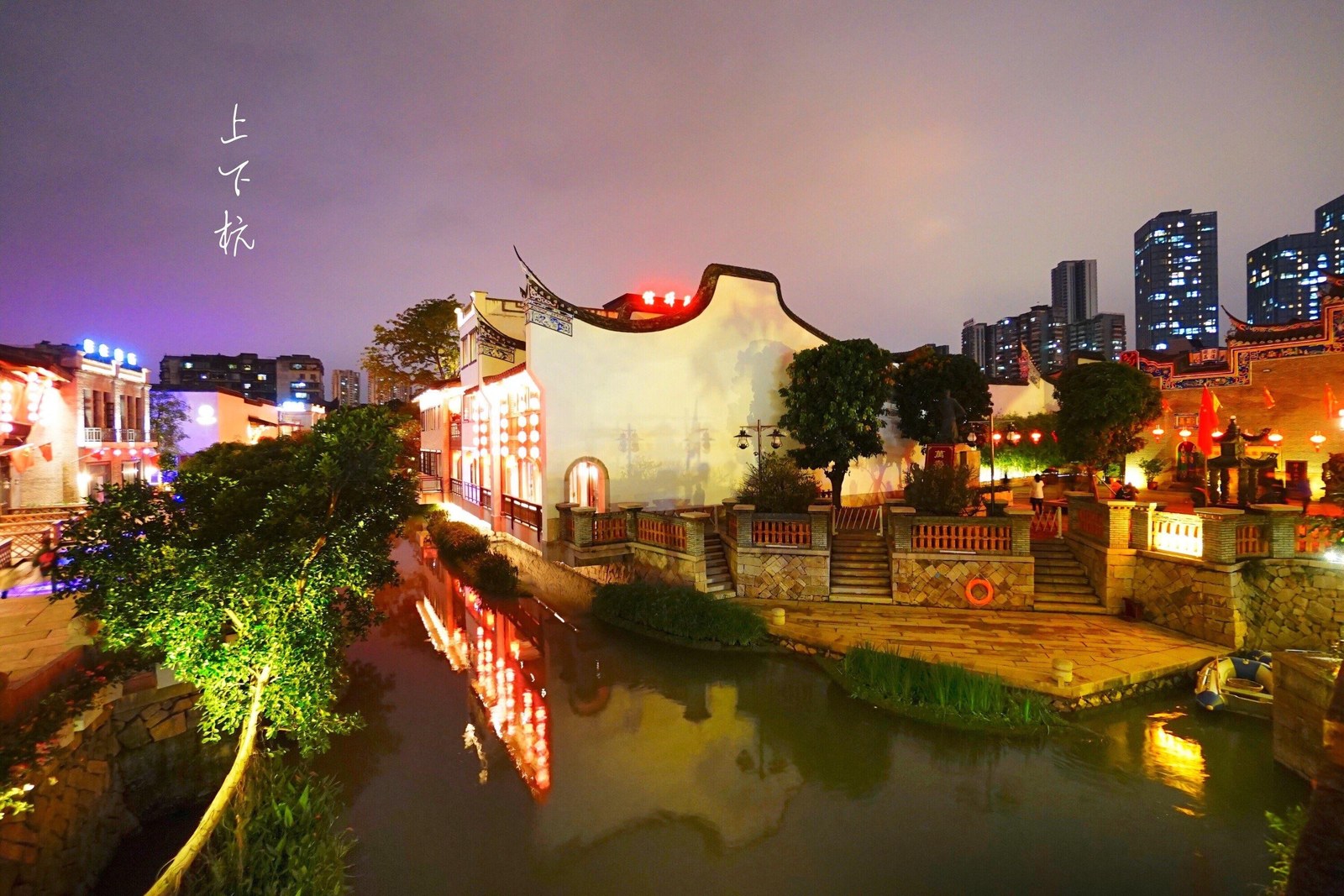
- Come at dusk, not at noon. The canal lights come on, the locals come out, and the restored buildings stop looking like a film set.
- The teahouses on the main lane charge city-centre prices. The small snack shops in the side alleys charge roughly half for the same food.
- Do not expect Sanfang Qixiang. This is water and commerce; the comparison flattens both.
4. Practical Essentials: Tickets, Transit & Scam Alerts
Tickets & Passport Booking
- The quarter is free and open around the clock. No gate, no ticket, no booking.
- The small museums inside — the intangible heritage hall among them — are also free, but their closing days differ and there is no single published list. This guide quotes no hours; check at the door.
- Shops and teahouses keep their own hours, and the sources disagree on what those are. Evening is when the district is at its busiest.
How to Get There
- Location: the San Tong Road and Xiaohang Road area, Taijiang District (台江区三通路·下杭路一带).
- Taxi: “师傅,去上下杭,下杭路” — or name the bridge (三通桥) if the driver wants a landmark.
- On foot: cross the river on Jiefang Bridge and you can walk on to Yantai Shan on the Cangshan side, which makes a full afternoon.
- With the riverfront: the Min River waterfront and Zhongting Street are adjacent, so this pairs naturally with an evening walk.
Inside Tips & Scam Alerts
- Nobody official sells tickets at the lane entrances. Anyone offering a “heritage tour” for cash is a freelancer, not the district.
- Read the menu prices before you sit down on the main lane; the restored restaurants are priced for visitors.
- The good cheap food is in the alleys: peanut soup, braised snacks and Fuzhou rice dishes at the older shops.
- Stone paving is slippery after rain, and the canal edges have no barrier in places — watch children.
- Step-free access works on the main lanes and the canal walk; the bridges are stepped.
- Complaints or overcharging: the 12345 hotline is free from any local phone and has English-speaking operators.
Quick Answers
The 6 things visitors ask before setting out, answered from the same verified record used across this page.
- How much does it cost to visit Shangxiahang Historic Quarter?
- Free.
- What are the opening hours at Shangxiahang Historic Quarter?
- Open 24h; shops and teahouses about 10:00-22:00.
- Is Shangxiahang Historic Quarter wheelchair accessible?
- Yes. Restored stone-paved lanes along a canal, mostly level with a few stepped bridges. Step-free along the main 下杭路 spine.
- How do I tell a taxi driver to take me to Shangxiahang Historic Quarter?
- Copy this line into DiDi or show it to the driver: 师傅,请带我到上下杭历史文化街区(下杭路),谢谢!
- Can I leave my luggage at Shangxiahang Historic Quarter?
- No storage.
- Is there anything to watch out for at Shangxiahang Historic Quarter?
- Free to enter - anyone at the lane entrances selling tickets or 'heritage tours' is not official. The restored teahouses charge city-centre prices; the older 小吃 shops on the side alleys cost half.
Where to go next
Three short lists, recomputed at build time from the same coordinates and categories as the pages themselves — no paid placement, no hand-picked names. Every card is a published guide.
Next stop in Fuzhou
Straight-line distance from this spot, so you can judge what is walkable and what needs a taxi.


More like this, elsewhere in China
If historic district is what you came for, these are the closest equivalents you can reach in another city — ordered by distance, one city per card.


Change the subject
Deliberately a different category, for when one more temple or garden would blur into the last one.


Lists are derived from coordinates and category alone. Fix a wrong pin or re-tag a place and every list that mentions it moves with it.
Before you go · arrival essentials
Practical guides that pair with this kind of place — picked by category, not sponsored placement.
- Pay with Alipay & WeChat PayPayment · Set up Alipay or WeChat Pay on a foreign card — needed at almost every counter.
- Claim your tourist tax refundTax refund · Get 11% VAT back on what you buy here, at the airport on departure.
- Book China train tickets (12306)Trains · Buy high-speed rail tickets with a foreign passport, for getting here and back.