
Sanfang Qixiang (Three Lanes and Seven Alleys)

The district is free; only the residences charge. Touts sell '¥198 guided tours of the old houses' at the metro exits - the district's own map is free at the tourist centre and every hall has an English plaque. Tea shops on 南后街 quote ¥80-200 a pot for jasmine that costs ¥30 a jin; buy tea in the supermarkets instead.
Taxi & Street Navigation Help
师傅,请带我到三坊七巷(南后街),谢谢!
Opening Hours & Best Time
Lanes open 24h; ticketed halls about 08:30-17:00. Main street shops to 22:00.
💡 Pro Tip: Go at 08:00 before the shops open: the lanes are empty and you can see the whitewashed 马鞍墙 (saddle walls) properly. Then work south to 光禄坊 and out to 林则徐纪念馆, and eat 锅边糊 for breakfast on the way. The alleys are one-way-ish; enter from 南后街 and wander, you cannot get lost.
Accessibility & Luggage Lockers
Accessibility: ♿ Wheelchair & Stroller Friendly
The main spine, 南后街, is flat paved stone and fully step-free. The side lanes are narrower with stone thresholds; several of the ticketed residences have one high step at the entrance but ramps are provided.
🧳 Luggage Storage: No official storage. The tourist centre by 南后街 will hold bags briefly.
Nearby Landmarks & A Short Train Ride
The 4 places worth pairing with this spot — each one opens straight into Apple Maps or Amap, with the Chinese name you can show a driver. One pick sits in Xiamen (HSR ~58 min) — a short high-speed ride, not a walk. Fuzhou's own list came out one short of a pair, and this is the nearest pick that fills it.
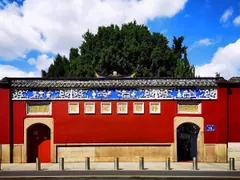 林则徐纪念馆Lin Zexu Memorial HallMuseumAbout a 15-min walk0.4 km400 m south
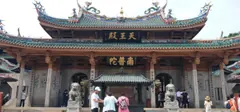
Chinese names and pins are matched against each city's own map data at build time; a place only gets Directions once its pin has been verified, otherwise the button searches by name. Cards with an amber city tag are in another city — the ride time shown is the fastest train of the day.
About Sanfang Qixiang (Three Lanes and Seven Alleys)
1. Historical Origins: A Neighbourhood Laid Out by Rule
Sanfang Qixiang means three lanes and seven alleys: three broad lanes running west from the central spine of Nanhou Street, seven narrower alleys running east. The grid was not a plan imposed on a city; it is the surviving pattern of the ward system that organised Chinese urban life for centuries, which is why historians call this the last place you can still walk through it.
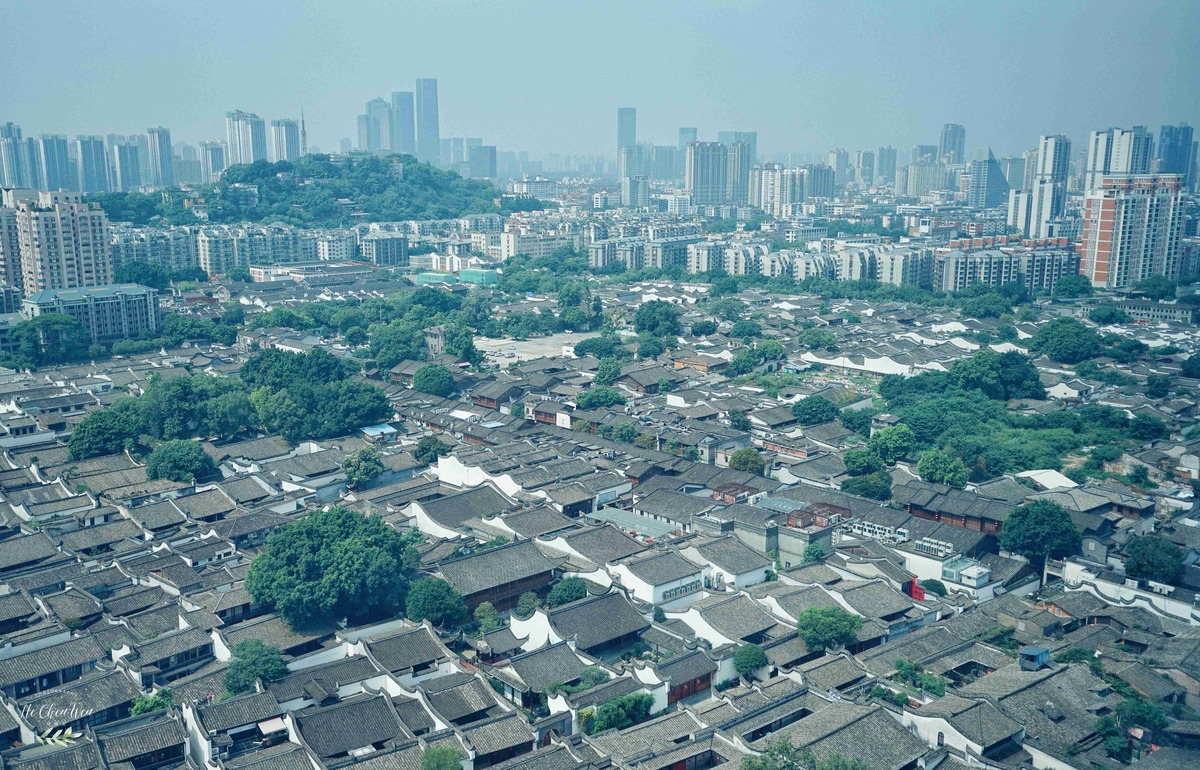
The houses behind the walls are courtyard compounds — two hundred or so Ming and Qing residences, many still with their original layout of gate, court, hall, and rear garden. Officials, scholars and merchants built here because it was inside the wall and close to power, and the names attached to the houses read like a list of modern Chinese history.
2. What to Spot: Saddle Walls, Gateways, the Residences
🧱 The Saddle Walls
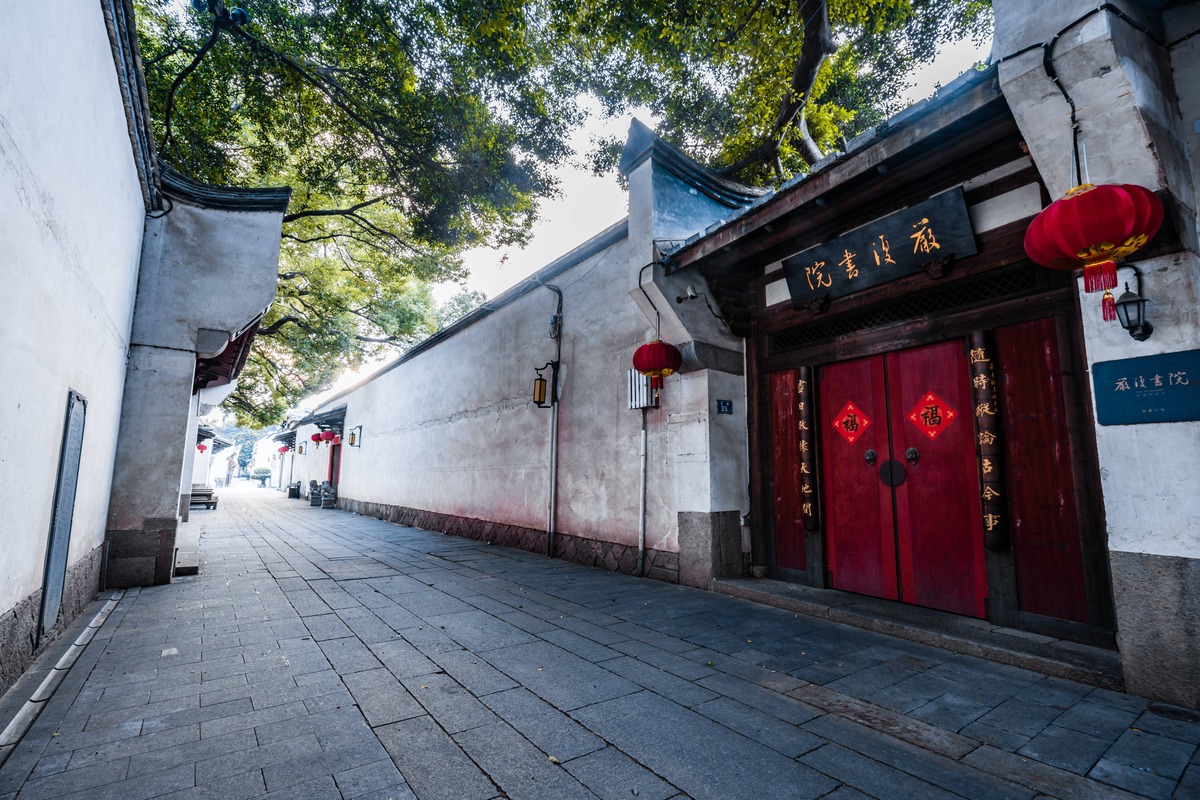
The signature is the firewall that rises above the roofline at each end of a building and curves like a saddle. It is a practical device — it stops fire crossing between houses — that became the district’s visual identity.
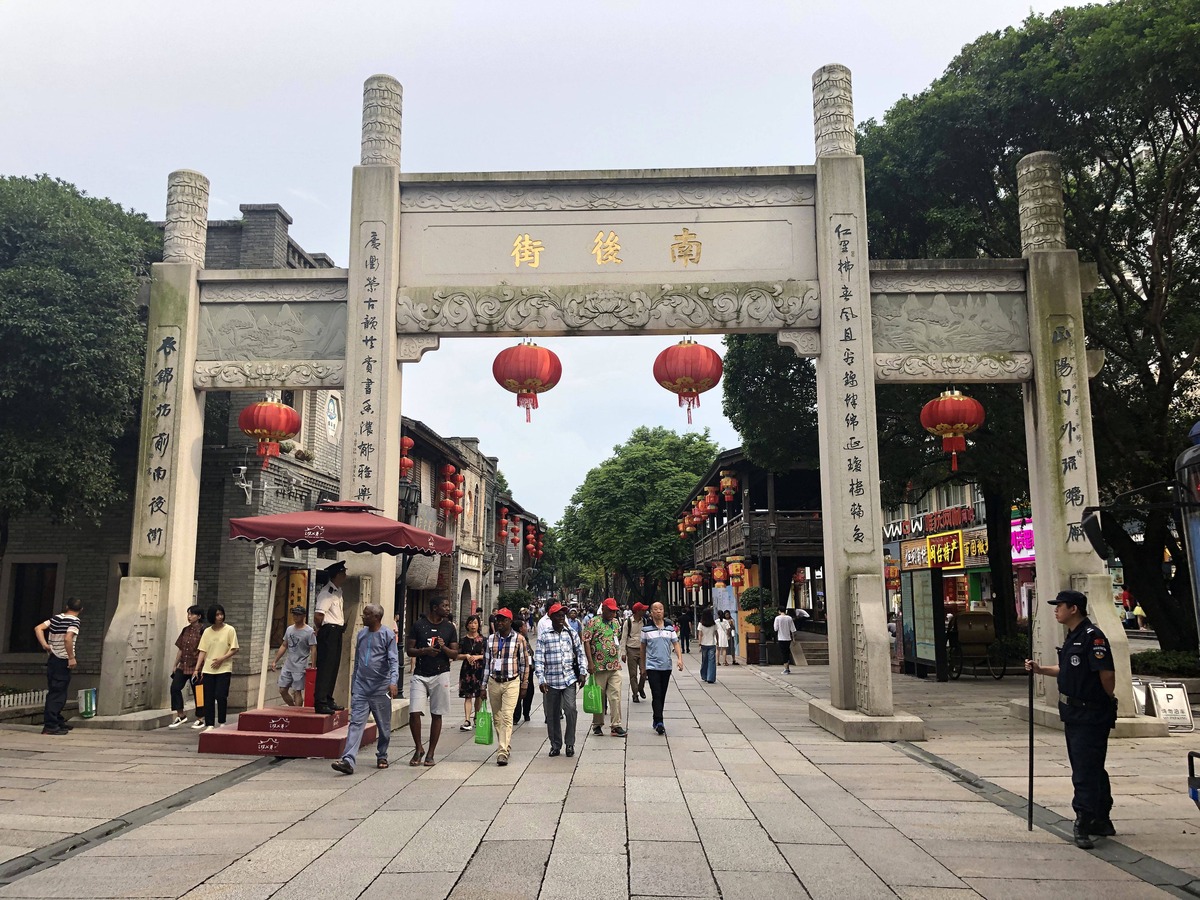
- The Story: Dense timber housing plus a fire-prone city produced an architecture of walls. Look up: everything interesting here happens above head height.
- What to Look For: The step in the wall profile where the saddle rises, and the way the white lime render is renewed every few years — this is living maintenance, not a preserved ruin.
🏠 The Residences That Charge
Around a dozen houses are open as museums or memorial halls. Lin Zexu, whose destruction of confiscated opium at Humen in 1839 made him the most famous official of his generation, has his memorial here; so do the translator and thinker Yan Fu, and the writer Bing Xin, whose family home shares a compound with the house of Lin Juemin.
🌙 The Lanes After Dark
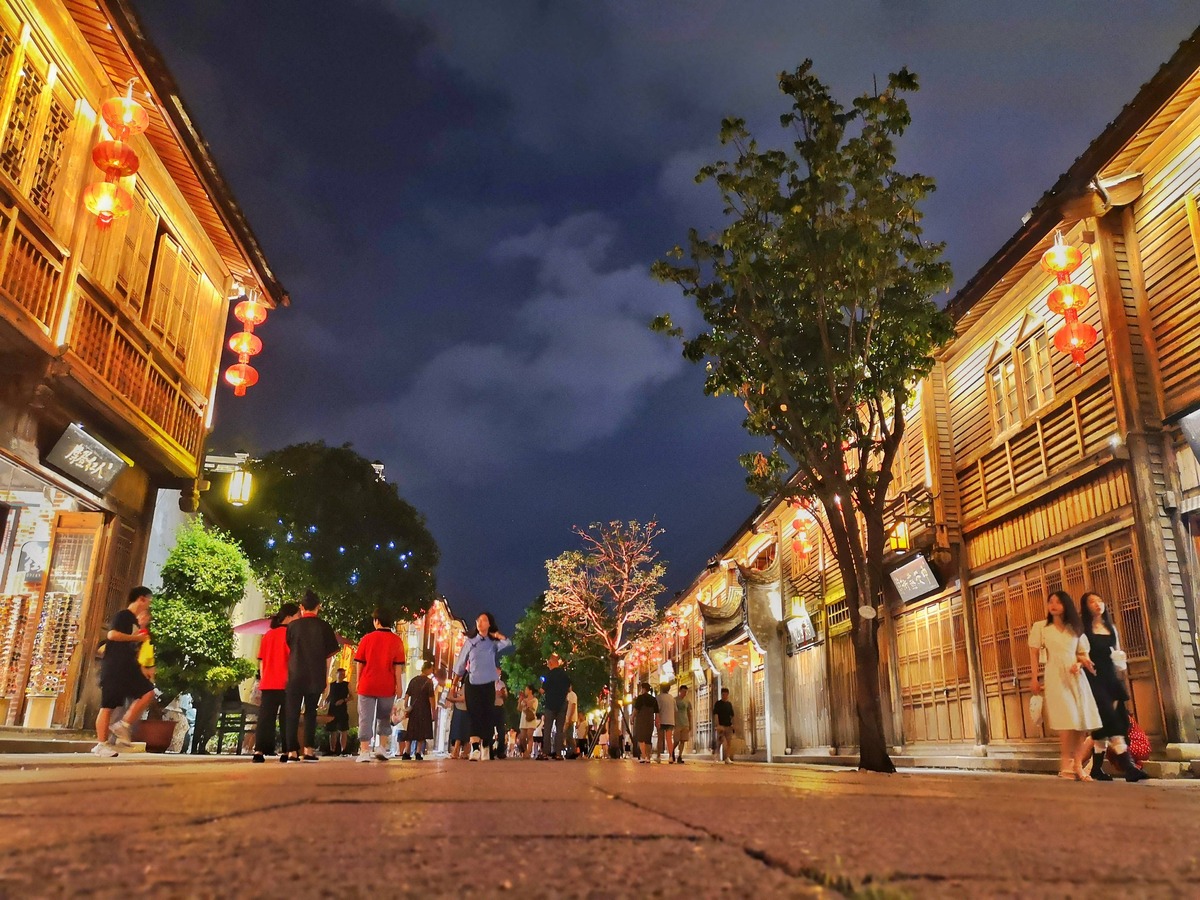
Nanhou Street turns into an evening promenade of lit shopfronts. The side lanes do not: they go dark and quiet a few metres in, which is the reason to walk them at night rather than the main street.
3. Cultural Contrast: A Free District With Paid Doors
The district is a public street that anyone can walk, with a dozen ticketed interiors. That split catches visitors out: people pay for a “tour” at the metro exit believing the neighbourhood is behind a paywall, then discover the lanes were free all along.
- Walk first, then decide what to pay for. One or two residences is usually enough; a combined ticket only makes sense if you want three or more.
- The shops on Nanhou Street are the least interesting part. The lanes are where the architecture is.
- Jasmine tea is Fuzhou’s product, and the shop prices here are tourist prices. Buy it in a supermarket instead and you will pay a fraction.
4. Practical Essentials: Tickets, Transit & Scam Alerts
Tickets & Passport Booking
- The lanes are free and open around the clock. No gate, no ticket, no booking, no ID.
- The ticketed houses are open roughly during daytime hours and run on their own schedules; prices vary by house and by combined ticket, and no figure is quoted here because the channels disagree. Check the official page or the window inside the district on the day.
- At peak holiday periods the popular houses queue; buying online in advance is the only way to skip that.
- Passport: bring it if you intend to buy a ticket, since real-name ticketing is standard.
How to Get There
- Location: Nanhou Street, Gulou District (鼓楼区南后街), at the Dongjiekou shopping area.
- Metro: Dongjiekou station puts you at the north end of the district — the natural way in.
- Taxi: “师傅,去三坊七巷,南后街” is enough.
- On foot: the Lin Zexu memorial is a short walk away, and the old-city sights — Yu Mountain, the White Pagoda — connect without a car.
Inside Tips & Scam Alerts
- Ignore the “guided tours of the old houses” sold at the metro exits. The district is free, every ticketed hall has its own English plaque, and the tourist centre gives out a free map.
- Check the door before you pay. Free lane, paid house — the distinction is the whole thing, and the sign is at the gate of each one.
- Early morning is the best hour. Shops shut, lanes empty, and the saddle walls readable against the sky.
- Breakfast is a reason to come early: rice-flour soup with a wok-scraped edge (锅边糊) and fish balls are local staples on and around Nanhou Street.
- Wheelchairs and strollers work on the main street; individual residences have thresholds and steps.
- Complaints or overcharging: the 12345 hotline is free from any local phone and has English-speaking operators.
Quick Answers
The 6 things visitors ask before setting out, answered from the same verified record used across this page.
- How much does it cost to visit Sanfang Qixiang?
- Free to walk; halls ¥20-30.
- What are the opening hours at Sanfang Qixiang?
- Lanes open 24h; ticketed halls about 08:30-17:00. Main street shops to 22:00.
- Is Sanfang Qixiang wheelchair accessible?
- Yes. The main spine, 南后街, is flat paved stone and fully step-free. The side lanes are narrower with stone thresholds; several of the ticketed residences have one high step at the entrance but ramps are provided.
- How do I tell a taxi driver to take me to Sanfang Qixiang?
- Copy this line into DiDi or show it to the driver: 师傅,请带我到三坊七巷(南后街),谢谢!
- Can I leave my luggage at Sanfang Qixiang?
- No official storage. The tourist centre by 南后街 will hold bags briefly.
- Is there anything to watch out for at Sanfang Qixiang?
- The district is free; only the residences charge. Touts sell '¥198 guided tours of the old houses' at the metro exits - the district's own map is free at the tourist centre and every hall has an English plaque. Tea shops on 南后街 quote ¥80-200 a pot for jasmine that costs ¥30 a jin; buy tea in the supermarkets instead.
Where to go next
Three short lists, recomputed at build time from the same coordinates and categories as the pages themselves — no paid placement, no hand-picked names. Every card is a published guide.
Next stop in Fuzhou
Straight-line distance from this spot, so you can judge what is walkable and what needs a taxi.


More like this, elsewhere in China
If historic district is what you came for, these are the closest equivalents you can reach in another city — ordered by distance, one city per card.


Change the subject
Deliberately a different category, for when one more temple or garden would blur into the last one.


Lists are derived from coordinates and category alone. Fix a wrong pin or re-tag a place and every list that mentions it moves with it.
Before you go · arrival essentials
Practical guides that pair with this kind of place — picked by category, not sponsored placement.
- Pay with Alipay & WeChat PayPayment · Set up Alipay or WeChat Pay on a foreign card — needed at almost every counter.
- Claim your tourist tax refundTax refund · Get 11% VAT back on what you buy here, at the airport on departure.
- Book China train tickets (12306)Trains · Buy high-speed rail tickets with a foreign passport, for getting here and back.