
Hualin Temple Main Hall
ℹ️ About ¥2. ⚠️ Parts of the compound have been closed for restoration - confirm before travelling.

Ticket is ¥2; the temple has no shops, no monks selling blessings, and nothing else to buy. Anything else offered is not part of the temple.
Taxi & Street Navigation Help
师傅,请带我到华林寺(华林路),谢谢!
Opening Hours & Best Time
About 08:30-17:00; ⚠️ closure on maintenance days is possible.
💡 Pro Tip: One of the four oldest surviving timber structures in China - built in 964, and the only one in the south. The point is the 斗拱 bracket sets, three tiers deep and huge relative to the building: they are the direct evidence of Tang-to-Song transition in wooden architecture. 30 minutes, and the caretaker will point at the brackets if you look confused.
Accessibility & Luggage Lockers
Accessibility: ♿ Wheelchair & Stroller Friendly
Small flat courtyard with a low step into the hall. Very compact - 20 minutes on foot covers it.
🧳 Luggage Storage: No storage.
Nearby Landmarks & A Short Train Ride
The 4 places worth pairing with this spot — each one opens straight into Apple Maps or Amap, with the Chinese name you can show a driver. One pick sits in Xiamen (HSR ~58 min) — a short high-speed ride, not a walk. Fuzhou's own list came out one short of a pair, and this is the nearest pick that fills it.
 三坊七巷Sanfang QixiangHistoric districtShort ride away2.04 km2 km south

Chinese names and pins are matched against each city's own map data at build time; a place only gets Directions once its pin has been verified, otherwise the button searches by name. Cards with an amber city tag are in another city — the ride time shown is the fastest train of the day.
About Hualin Temple Main Hall
1. Historical Origins: 964, and a Roof That Should Not Still Be Here
The main hall of Hualin was built in 964, at the very end of the Tang-to-Song handover, and it is one of a handful of timber buildings from that century still standing anywhere in China. It is the only one of them on the south side of the Yangtze.
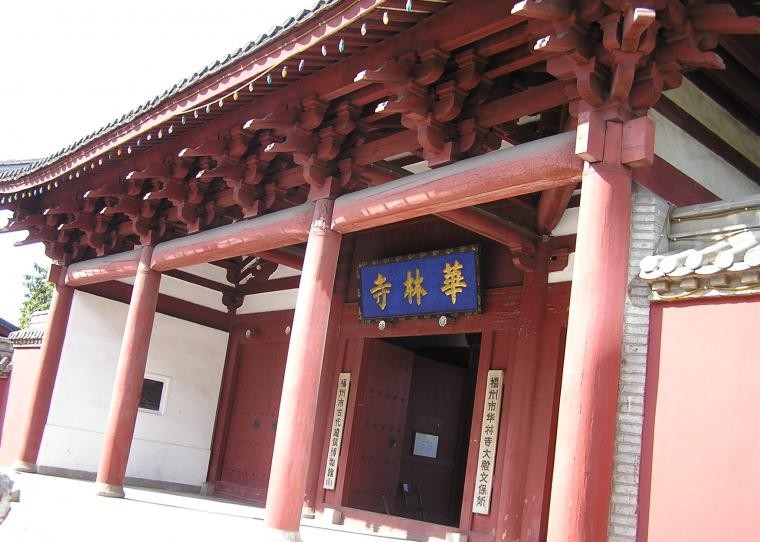
That single fact is the reason to come. Wooden buildings of this age survive by luck and by rebuild; what survived here is the structural logic of a moment when Chinese carpentry was changing from the Tang manner to the Song one.
2. What to Spot: Brackets, Columns, the Deep Eaves
🪵 The Bracket Sets
Everything worth seeing is at the top of the columns. The bracket sets are stacked three tiers deep and are enormous relative to the size of the hall — the load spreads outward through them instead of sitting straight down on the posts.
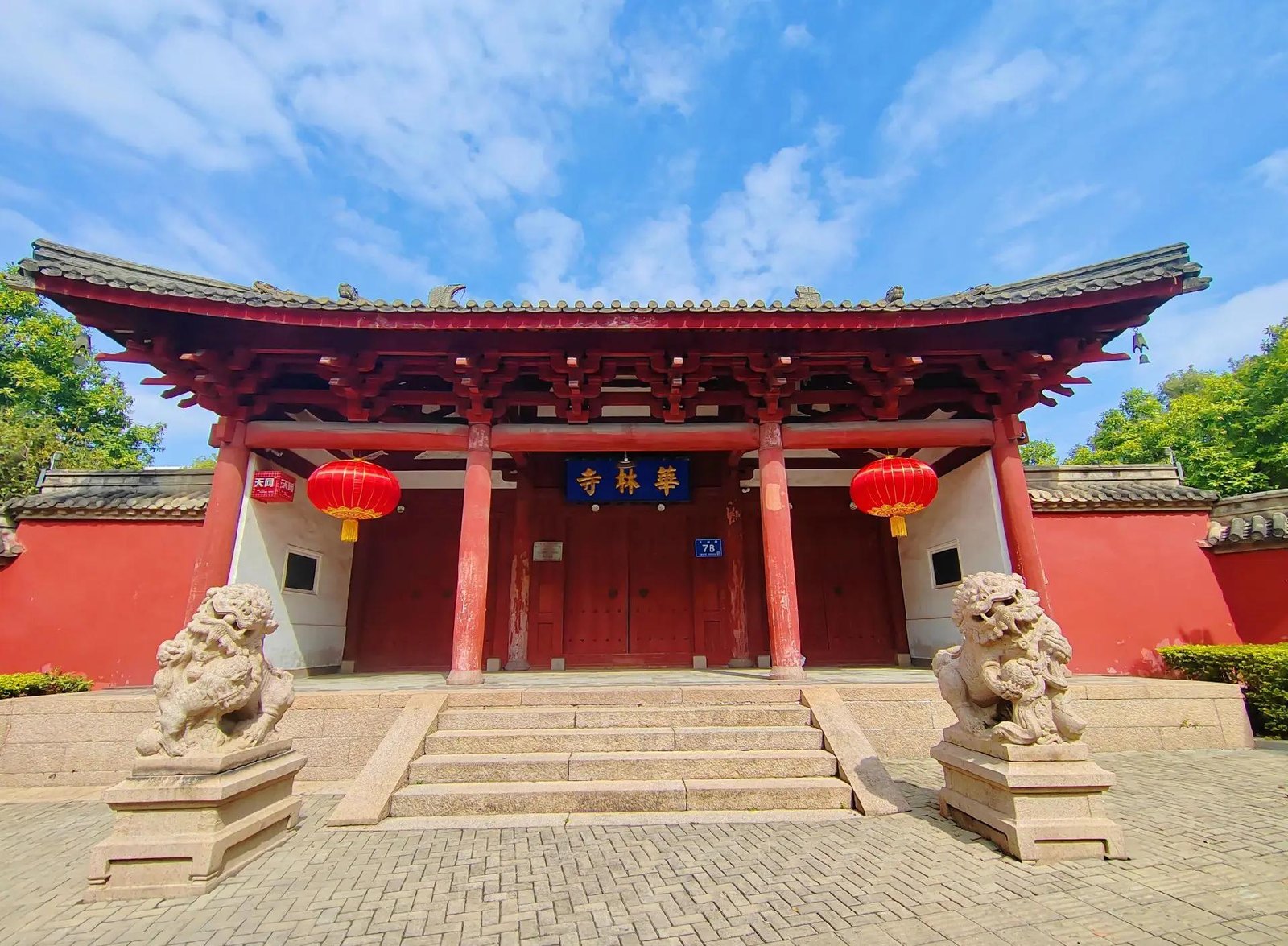
- The Story: Chinese timber architecture is a system of standard parts, and the bracket set is where the system gets expressive. The proportions here belong to the transition period, which is why architectural historians make the trip.
- What to Look For: Count the tiers; look at how far the roof projects beyond the wall, and how little of the weight seems to reach the floor.
🏯 The Column Grid
The plan is a simple rectangle carried on a regular grid of columns, with the outer bays open. Stand at the door and look at the spacing rather than at the furnishings.
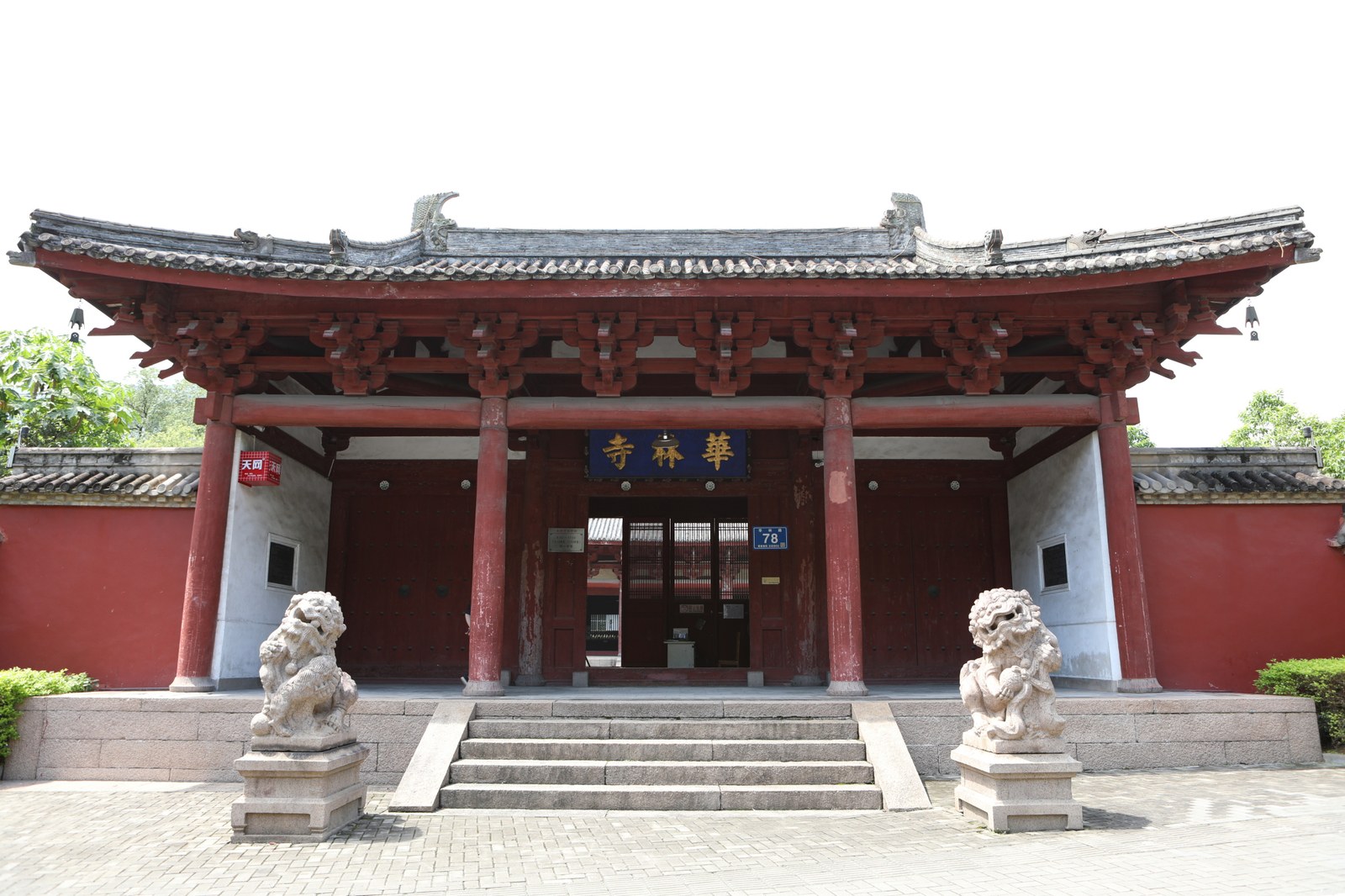
🧱 What Is Not Original
The hall has been repaired many times over the centuries, and the surrounding compound is largely later. That is normal for a building of this age — but it means you should read the hall, not the temple around it.
3. Cultural Contrast: A Ten-Minute Visit That Rewards an Hour of Reading
It takes fifteen minutes to walk around this hall and an hour to understand why it matters. Compare it with the great temple complexes of Kyoto or Nara, where the timber tradition is presented with full English interpretation and a queue: here you may be the only visitor, the caretaker may be the only person to talk to, and the labels are minimal.
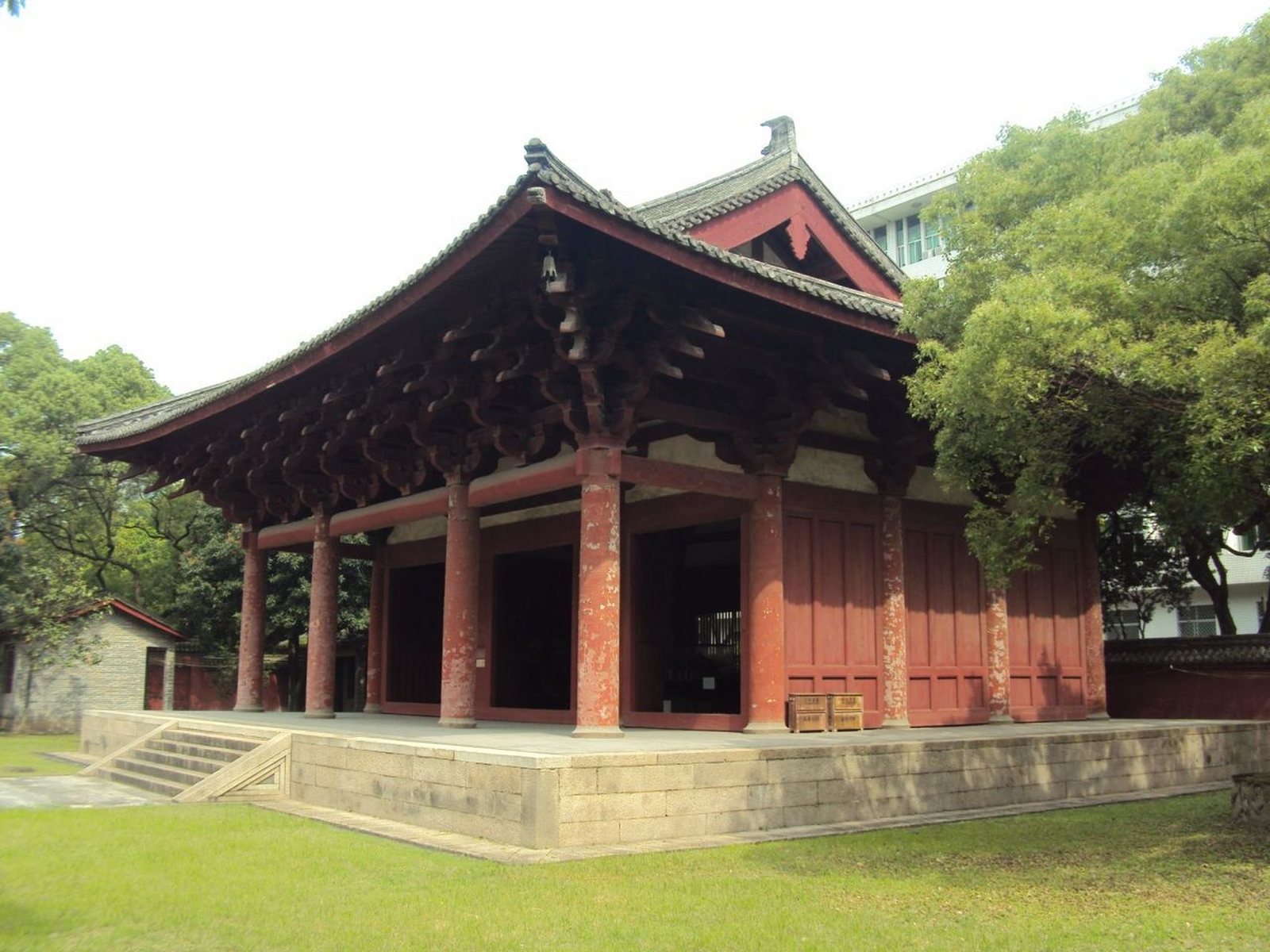
- Read one page on bracket sets before you go. Without it, the hall looks like an old shed; with it, it looks like an engineering document.
- The caretaker will point at the brackets if you look lost. That is the entire guided experience, and it is better than most audio guides.
- Photography inside is subject to the notice on the day — ask rather than assume.
4. Practical Essentials: Tickets, Transit & Scam Alerts
Tickets & Passport Booking
- Entry is nominal, but availability is the real question. This is a small site inside a working compound, parts of which have been closed for restoration; sources disagree on both price and hours, so check before you travel instead of trusting a listing.
- Confirm it is open by calling 12345 (free from any local phone, English-speaking operators) or by asking at your hotel. Do not build a morning around it.
- No advance booking channel for foreign visitors is documented. Expect to pay at the door and to explain what you want with a translation app.
- If it is shut, the Fujian Museum and the city museum are both close by and open when the temple may not be.
How to Get There
- Location: Gulou District (鼓楼区), inside the old city core and within walking distance of Sanfang Qixiang and Yu Mountain.
- Taxi: “师傅,去华林寺,鼓楼” — the district name helps, because the temple is small and easy to miss.
- On foot: the old city sights here are genuinely walkable; Hualin, the White Pagoda and Sanfang Qixiang can be strung together in half a day.
Inside Tips & Scam Alerts
- There is nothing to buy inside. No shop, no monks selling blessings, no “donation for good luck” book. Anyone offering either near the entrance is not connected to the temple.
- Thirty to sixty minutes is the honest duration — plan a bigger stop nearby rather than a trip for this alone.
- Dress and behave as at any religious site: shoulders covered, quiet voice.
- Bring cash for the door in case card payment is not set up.
- Complaints or overcharging: the 12345 hotline also covers tourist complaints and is free from any local phone.
Quick Answers
The 6 things visitors ask before setting out, answered from the same verified record used across this page.
- How much does it cost to visit Hualin Temple Main Hall?
- About ¥2. About ¥2. ⚠️ Parts of the compound have been closed for restoration - confirm before travelling.
- What are the opening hours at Hualin Temple Main Hall?
- About 08:30-17:00; ⚠️ closure on maintenance days is possible.
- Is Hualin Temple Main Hall wheelchair accessible?
- Yes. Small flat courtyard with a low step into the hall. Very compact - 20 minutes on foot covers it.
- How do I tell a taxi driver to take me to Hualin Temple Main Hall?
- Copy this line into DiDi or show it to the driver: 师傅,请带我到华林寺(华林路),谢谢!
- Can I leave my luggage at Hualin Temple Main Hall?
- No storage.
- Is there anything to watch out for at Hualin Temple Main Hall?
- Ticket is ¥2; the temple has no shops, no monks selling blessings, and nothing else to buy. Anything else offered is not part of the temple.
Where to go next
Three short lists, recomputed at build time from the same coordinates and categories as the pages themselves — no paid placement, no hand-picked names. Every card is a published guide.
Next stop in Fuzhou
Straight-line distance from this spot, so you can judge what is walkable and what needs a taxi.


More like this, elsewhere in China
If temple is what you came for, these are the closest equivalents you can reach in another city — ordered by distance, one city per card.


Change the subject
Deliberately a different category, for when one more temple or garden would blur into the last one.


Lists are derived from coordinates and category alone. Fix a wrong pin or re-tag a place and every list that mentions it moves with it.
Before you go · arrival essentials
Practical guides that pair with this kind of place — picked by category, not sponsored placement.