
Kulangsu (Gulangyu Island)
ℹ️ No gate ticket. Round-trip ferry ¥35 (ordinary) / ¥50-80 (deluxe cabin). Island sights are ticketed separately or ¥90 for a five-site combo.

Only the Dongdu international cruise terminal sells tourist ferry tickets. Touts at the Lundu pier (轮渡码头, the local commuter ferry) sell 'island tours' that will not get you onto the boat. On arrival, ignore the ¥150+ 'electric cart island tour' - the island is 1.9 km across and walkable.
Taxi & Street Navigation Help
师傅,请带我到厦门邮轮中心厦鼓码头(东渡),我要坐船去鼓浪屿,谢谢!
Opening Hours & Best Time
Lanes open 24h. Daytime tourist ferries roughly 07:10-18:00 every 20 min; night return sailings run later.
💡 Pro Tip: Take the 07:10 or the 17:00 sailing. Mid-morning boats dump you ashore with every tour group in Fujian. Once past Longtou Road, walk 8 minutes inland and the crowd simply disappears.
Accessibility & Luggage Lockers
Accessibility: ⚠️ Step thresholds, limited access
The island is a hill: stone lanes, staircases and no flat ring road. Pushchairs are a liability, and a manual wheelchair needs two strong helpers. Ferries load at level with a ramp but the gangway can move with the swell.
🧳 Luggage Storage: There is no left luggage on the island. Store bags at the Dongdu cruise terminal (¥10-20 per bag) or at your city hotel before crossing - cobblestones destroy wheeled cases.
Nearby Landmarks
The 2 places within reach of this spot — each one opens straight into Apple Maps or Amap, with the Chinese name you can show a driver.
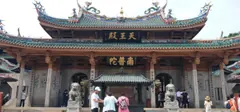 南普陀寺Nanputuo TempleTempleShort ride away3.17 km2.5 km from the return pier
Chinese names and pins are matched against each city's own map data at build time; a place only gets Directions once its pin has been verified, otherwise the button searches by name.
About Kulangsu (Gulangyu Island)
1. Historical Origins: A Concession Island Without Cars
Kulangsu is a small island at the mouth of the Jiulong River, about 1.9 square kilometres, and its history is the reason it looks the way it does: from 1903 it was run as an international settlement, with consulates, godowns, missionary schools and the villas of Chinese merchants who had made their money overseas and wanted to live where the law was foreign. Thirteen countries kept consulates here at the peak.
The result is a dense island of several hundred buildings in Chinese, colonial and hybrid styles, with no motor vehicles at all — the island has never been open to cars. It was inscribed as a UNESCO World Heritage site in 2017, on the strength of that architectural mixture rather than any single monument.
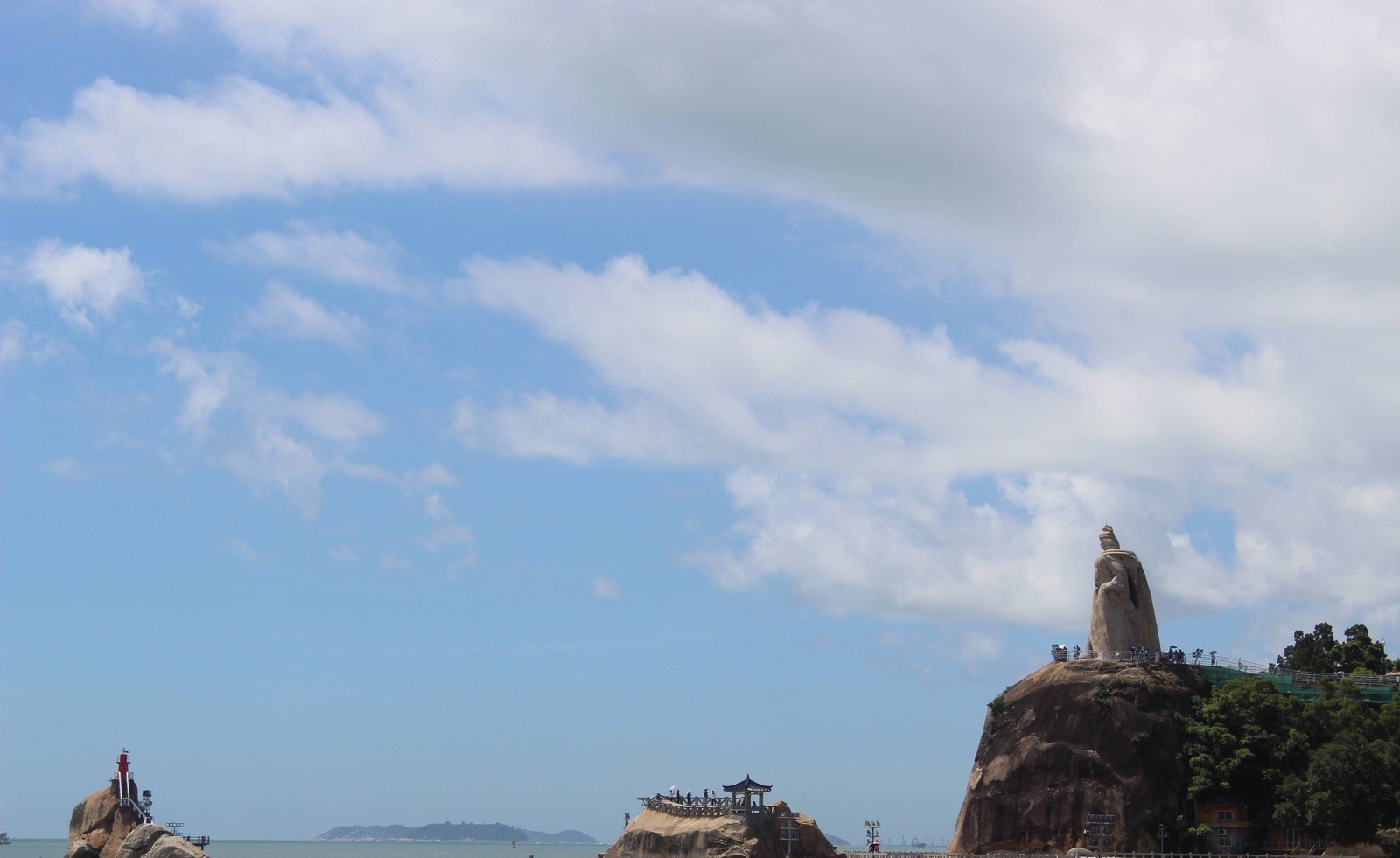
2. What to Spot: Lanes, Verandas, Organs
🏛️ The Architecture
The pleasure of the island is not a checklist of buildings but the walking: colonial verandas with arched colonnades, Chinese courtyard houses with European trim, chapels, school buildings and the odd piece of tropical gothic, all within a few streets of each other and all still in use.
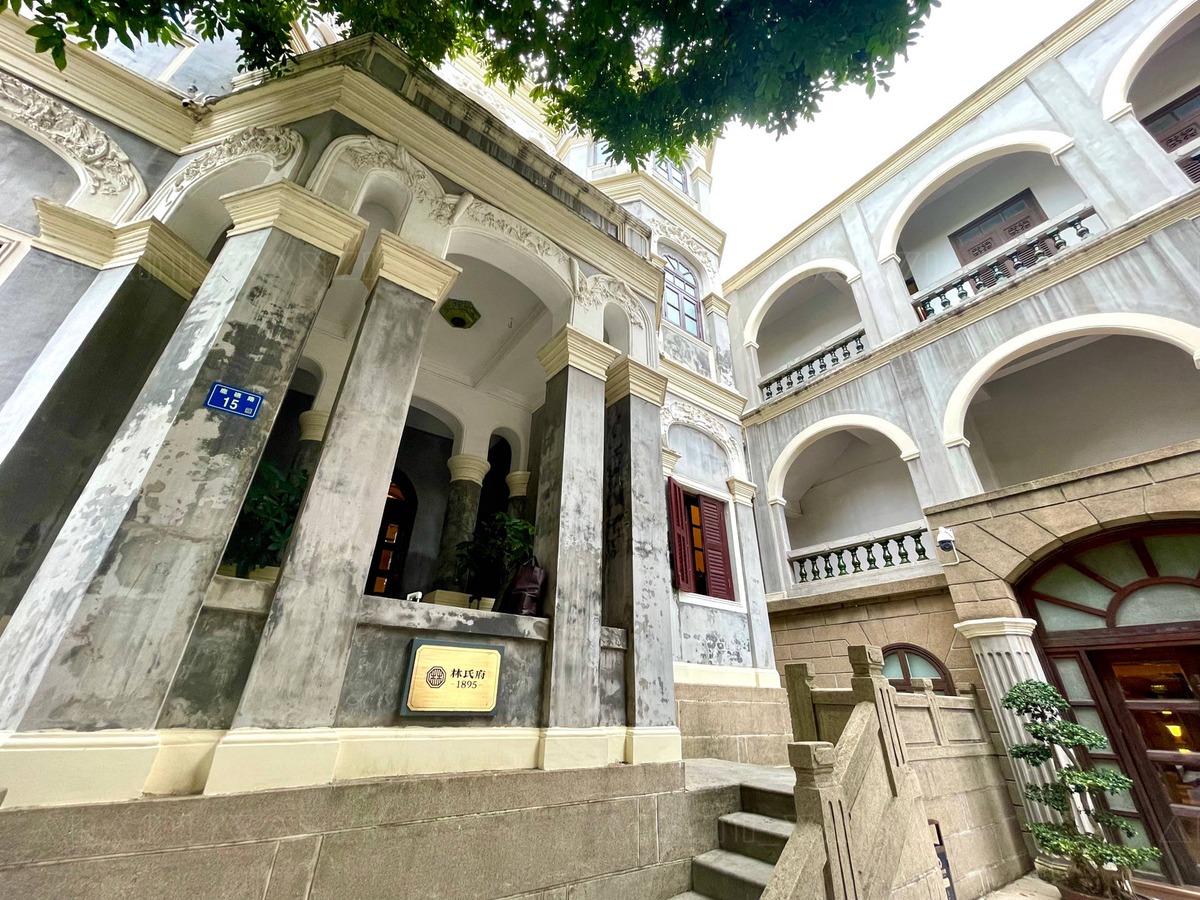
- The Story: The mixture is not a museum piece. These were houses built by people who wanted to be modern in a particular way, and the hybrid detail is what a treaty port actually looked like.
- What to Look For: The verandas. They are the island’s signature — deep, shaded, and built for a subtropical summer.
🎹 The Organs and the Pianos
Kulangsu was known for decades as the piano island, because missionary schools and merchant families filled these houses with instruments. There are small museums devoted to organs and pianos, and the tradition is real rather than a marketing line — this was one of the earliest places in China where European music was taught systematically.
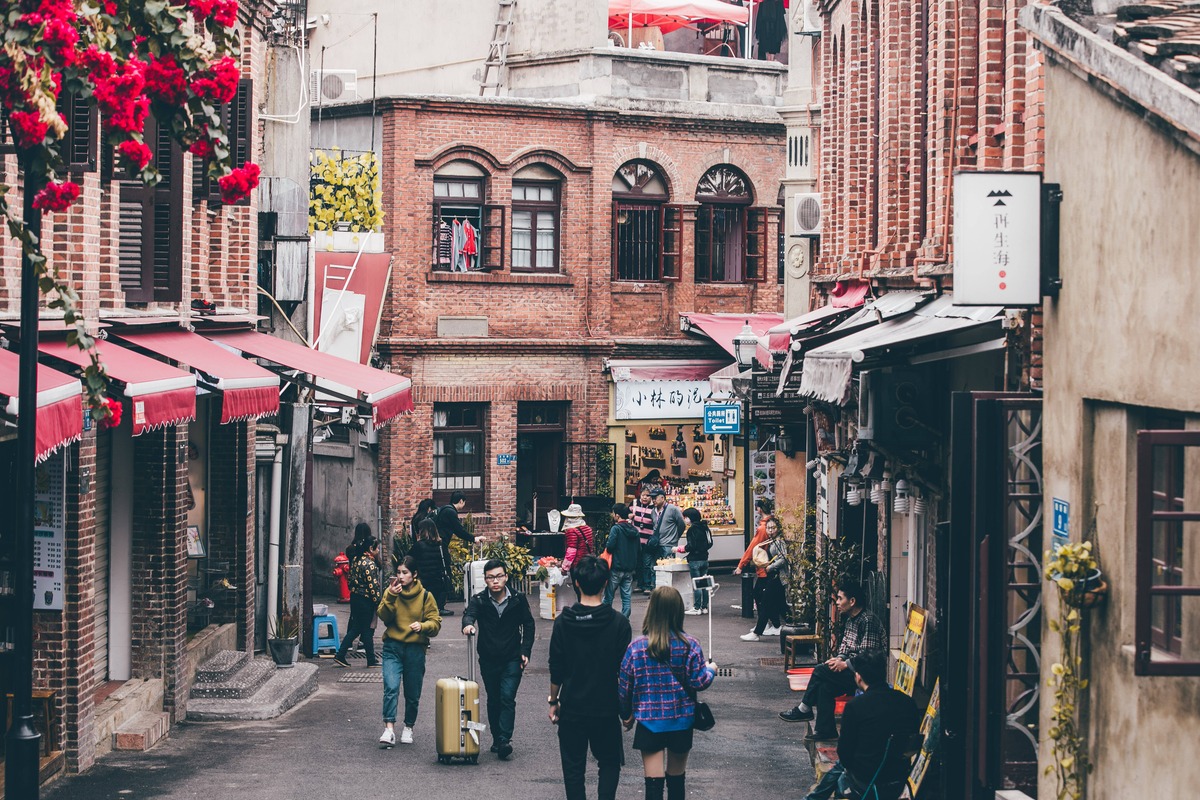
🌊 The Coast
The island has a small beach, a rocky shore and a ring of paths with views back to the city skyline. It is not a swimming destination, but the coastal path at the southern end is the quietest part of the island after four in the afternoon.
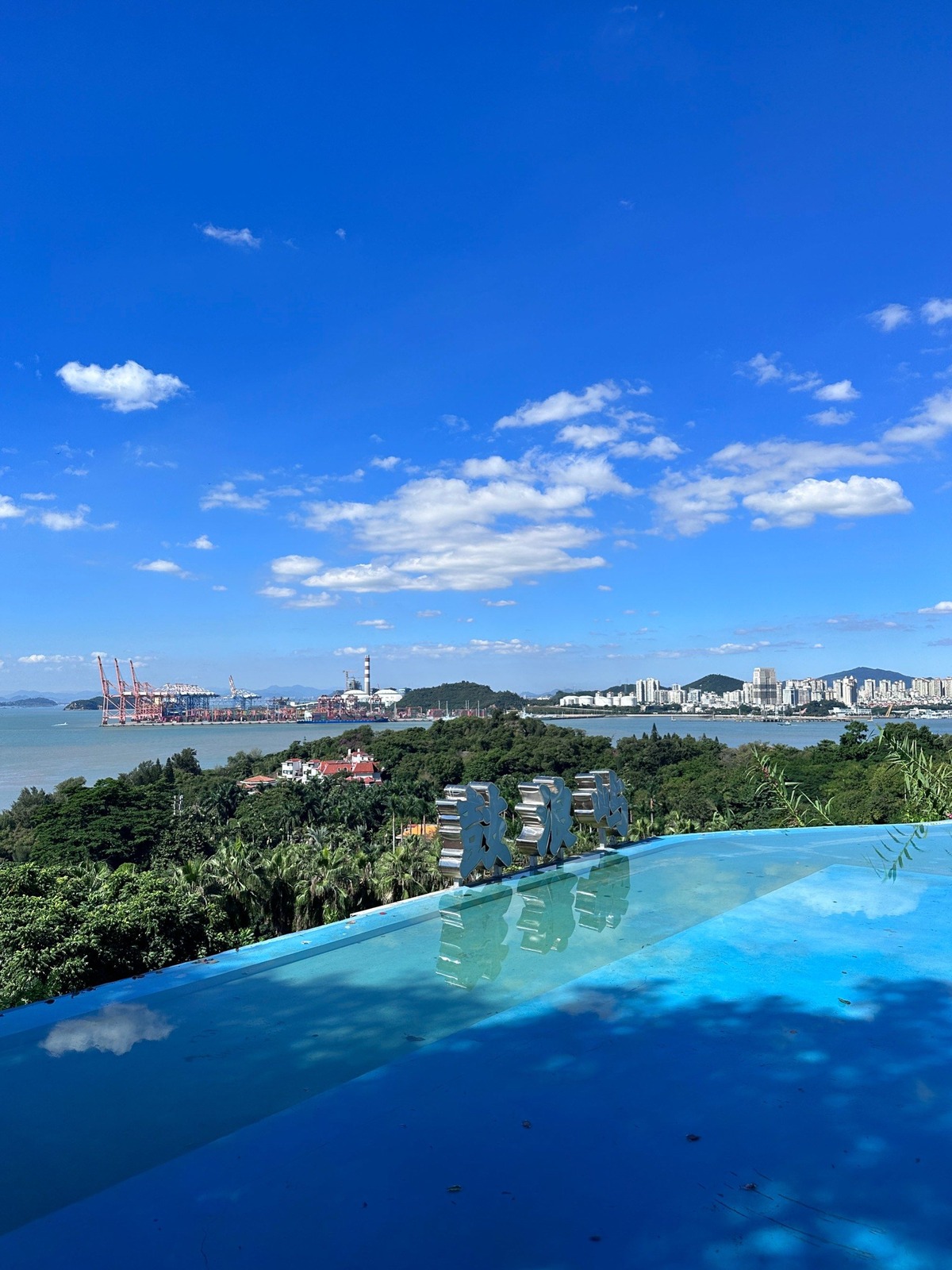
3. Cultural Contrast: An Island That Has to Be Booked
Here is the thing that surprises visitors: there is no entrance fee to Kulangsu, and you cannot get on the island without a ticket. The ferry is the gate, it is booked against a real name and a passport, and in peak season it sells out days ahead. That single rule shapes every visit: the island is busy in the middle of the day, quiet at the edges of the day, and impossible to see on impulse in July.
- Go early or go late. The first sailings and the ones after five give you the island as it actually is.
- Walk inland. Eight minutes past Longtou Road the crowd simply stops; the residential lanes are almost empty.
- The island is small. Walking end to end takes about forty minutes, so the electric-cart tours on offer at the pier are unnecessary.
4. Practical Essentials: Tickets, Transit & Scam Alerts
Tickets & Passport Booking
- There is no gate ticket, but the round-trip ferry is compulsory and must be booked in advance. Sailings are released on a rolling schedule — currently fifteen days ahead, at nine in the morning — and scarce dates go within minutes. This is the first thing to arrange for any Xiamen trip.
- Book only through the official channels: the Yujian Xiamen mini-programme or the Xiamen Ferry Company’s official account. A passport is required at booking and must be carried; the name on the booking and the document must match.
- No price is quoted here. Cabin classes and island combo tickets come in several tiers, and the official channel is the only figure that applies.
- Island sights are ticketed separately. The five-site combo covers the main paid attractions; the lanes themselves are free and open around the clock.
- Daytime sailings run roughly every twenty minutes from about 07:10 to 18:00, with night returns on a separate route from Sanqiutian to the Xiamen ferry pier near Zhongshan Road. Confirm the day’s timetable when you book.
How to Get There
- During the day, tourists board only at the Dongdu international cruise terminal (东渡邮轮中心, also signed 厦鼓码头), which is on Metro Line 2.
- Choose your arrival pier. Sanqiutian (三丘田) is closest to Longtou Road and the old lanes; Neicuo’ao (内厝澳) is quieter and closer to the beaches.
- Taxi: “师傅,去东渡邮轮中心码头,我要坐船去鼓浪屿” — the terminal name matters, as drivers may otherwise take you to the commuter pier.
- Do not wait at the Xiamen ferry pier during the day. The commuter sailings there are for residents with local ID; tourists are turned away.
Inside Tips & Scam Alerts
- Only the Dongdu terminal sells tourist ferry tickets. Touts at the commuter pier sell “island tours” that will not get you on a boat.
- Third-party and resold tickets are frequently invalid at the gate. Book on the official mini-programme and nothing else.
- Refuse the electric-cart “island tour”. The island is 1.9 square kilometres and entirely walkable; the price quoted at the pier is for a route you can do yourself.
- “Free guide” offers lead to shops. Decline them politely and keep walking.
- Accessibility is the island’s weak point. No vehicles, many stone steps, uneven paving and steep lanes — wheelchairs and prams are genuinely difficult except along the flat strip between the piers and Longtou Road. Bring a backpack rather than a wheeled case.
- Longtou Road is the tourist strip and priced accordingly; the food a street inland is better and cheaper.
- Complaints or overcharging: the 12345 hotline is free from a local phone and has English-speaking operators.
Quick Answers
The 6 things visitors ask before setting out, answered from the same verified record used across this page.
- How much does it cost to visit Kulangsu (Gulangyu Island)?
- Ferry ¥35 return; sights extra. No gate ticket. Round-trip ferry ¥35 (ordinary) / ¥50-80 (deluxe cabin). Island sights are ticketed separately or ¥90 for a five-site combo.
- What are the opening hours at Kulangsu (Gulangyu Island)?
- Lanes open 24h. Daytime tourist ferries roughly 07:10-18:00 every 20 min; night return sailings run later.
- Is Kulangsu (Gulangyu Island) wheelchair accessible?
- Not fully. The island is a hill: stone lanes, staircases and no flat ring road. Pushchairs are a liability, and a manual wheelchair needs two strong helpers. Ferries load at level with a ramp but the gangway can move with the swell.
- How do I tell a taxi driver to take me to Kulangsu (Gulangyu Island)?
- Copy this line into DiDi or show it to the driver: 师傅,请带我到厦门邮轮中心厦鼓码头(东渡),我要坐船去鼓浪屿,谢谢!
- Can I leave my luggage at Kulangsu (Gulangyu Island)?
- There is no left luggage on the island. Store bags at the Dongdu cruise terminal (¥10-20 per bag) or at your city hotel before crossing - cobblestones destroy wheeled cases.
- Is there anything to watch out for at Kulangsu (Gulangyu Island)?
- Only the Dongdu international cruise terminal sells tourist ferry tickets. Touts at the Lundu pier (轮渡码头, the local commuter ferry) sell 'island tours' that will not get you onto the boat. On arrival, ignore the ¥150+ 'electric cart island tour' - the island is 1.9 km across and walkable.
Where to go next
Three short lists, recomputed at build time from the same coordinates and categories as the pages themselves — no paid placement, no hand-picked names. Every card is a published guide.
Next stop in Xiamen
Straight-line distance from this spot, so you can judge what is walkable and what needs a taxi.


More like this, elsewhere in China
If historic district is what you came for, these are the closest equivalents you can reach in another city — ordered by distance, one city per card.


Change the subject
Deliberately a different category, for when one more temple or garden would blur into the last one.


Lists are derived from coordinates and category alone. Fix a wrong pin or re-tag a place and every list that mentions it moves with it.
Before you go · arrival essentials
Practical guides that pair with this kind of place — picked by category, not sponsored placement.
- Pay with Alipay & WeChat PayPayment · Set up Alipay or WeChat Pay on a foreign card — needed at almost every counter.
- Claim your tourist tax refundTax refund · Get 11% VAT back on what you buy here, at the airport on departure.
- Book China train tickets (12306)Trains · Buy high-speed rail tickets with a foreign passport, for getting here and back.