
Shapowei Art Zone

Taxi & Street Navigation Help
师傅,请带我到沙坡尾艺术西区(沙坡尾60号),谢谢!
Opening Hours & Best Time
Always open; shops and cafes roughly 11:00-22:00.
💡 Pro Tip: Walk the 避风坞 harbour wall at low tide to see the last wooden fishing boats in the city, then take the back lane behind the warehouses - that is where the small studios and coffee roasters actually are.
Accessibility & Luggage Lockers
Accessibility: ♿ Wheelchair & Stroller Friendly
The harbour front and the converted warehouse block are level and paved; some studio interiors have a step at the door.
🧳 Luggage Storage: Cafe counters will hold a bag for an hour if you buy something; no formal lockers.
Nearby Landmarks
The 2 places within reach of this spot — each one opens straight into Apple Maps or Amap, with the Chinese name you can show a driver.
Chinese names and pins are matched against each city's own map data at build time; a place only gets Directions once its pin has been verified, otherwise the button searches by name.
About Shapowei Art Zone
1. Historical Origins: The Harbour the City Stopped Using
Shapowei was Xiamen’s fishing harbour, and for a long time it was the working edge of the city: boats in, fish out, ice, rope, diesel and repair yards around the water. The name refers to the sand slope that tailed off at the harbour mouth, long since built over.
When the fishing fleet moved and the container port grew elsewhere, the harbour was left behind with its boatsheds, warehouses and low concrete buildings intact. Because nobody was in a hurry to redevelop it, it became cheap — and being cheap, it filled up with the people who make a place interesting: art students from Xiamen University next door, small studios, coffee roasters, bars, a live-music venue in a converted shed.
The result is a rare thing in a Chinese coastal city: an old working waterfront that survived by accident and was then occupied rather than demolished.
2. What to Spot: The Shelter, the Boats and the Warehouses
⚓ The Typhoon Shelter
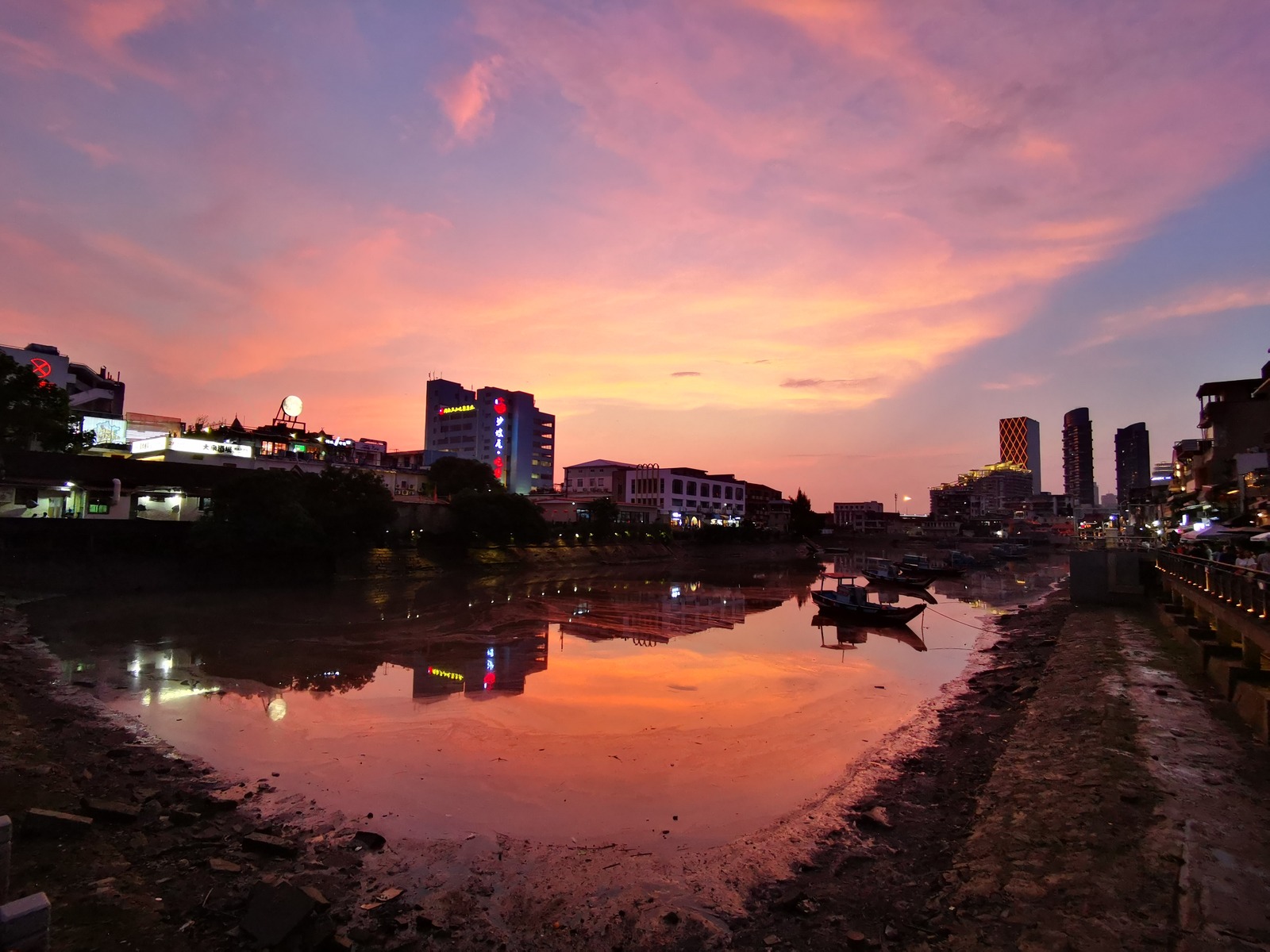
The stone-edged basin at the centre is a typhoon shelter (避风坞) — a walled anchorage where boats could sit out a storm. Walk the harbour wall at low tide: the water drops away, the bottom shows, and the timber hulls lean over on their moorings. This is the single best thing to look at here, and it is free.
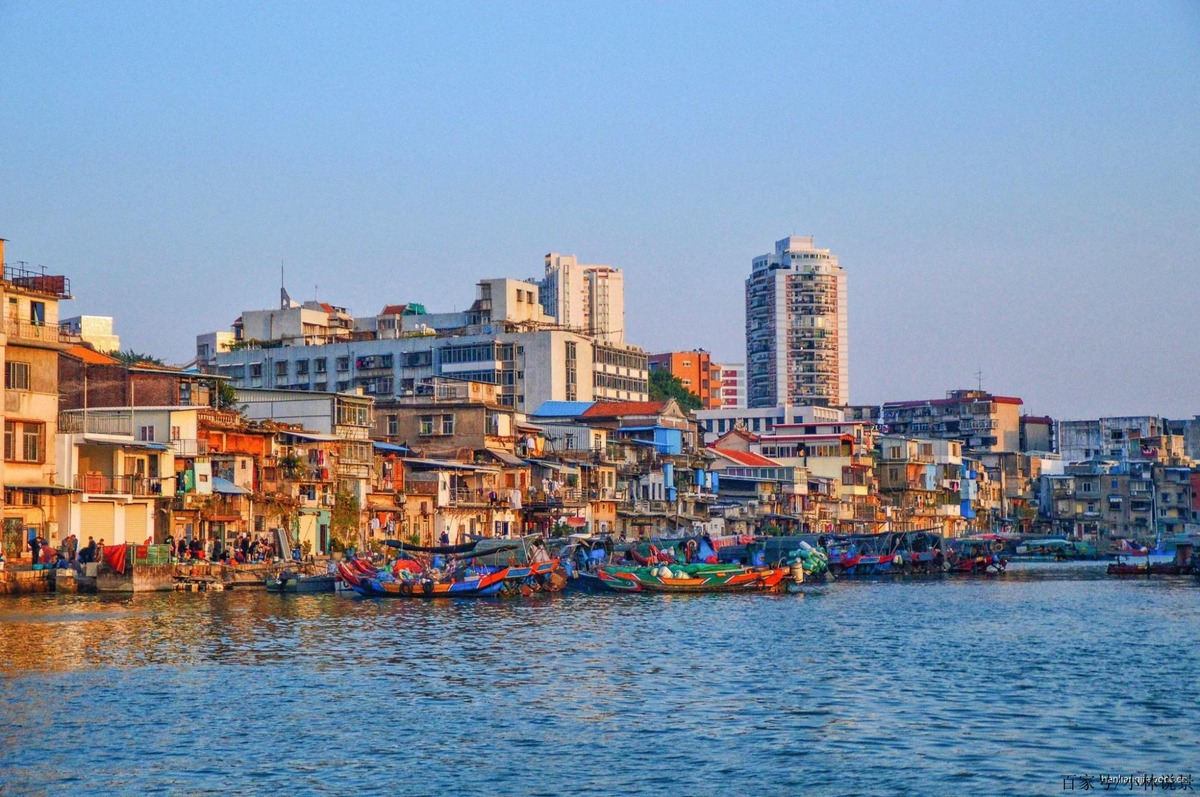
- The Story: The basin was dug and walled so that a fleet could survive the typhoon season inside the city rather than running for open water.
- What to Look For: The tide line on the harbour wall, and the way the boats take the ground — the whole harbour is a piece of tidal engineering, not a marina.
🏚️ The Warehouses and the Studios
The art zone proper is the converted industrial strip along the landward side: sheds and warehouses now holding galleries, design shops, small studios and coffee roasters. It is small, it changes often, and the best of it is behind the front row rather than on the main lane.
🌇 The Sunset Side
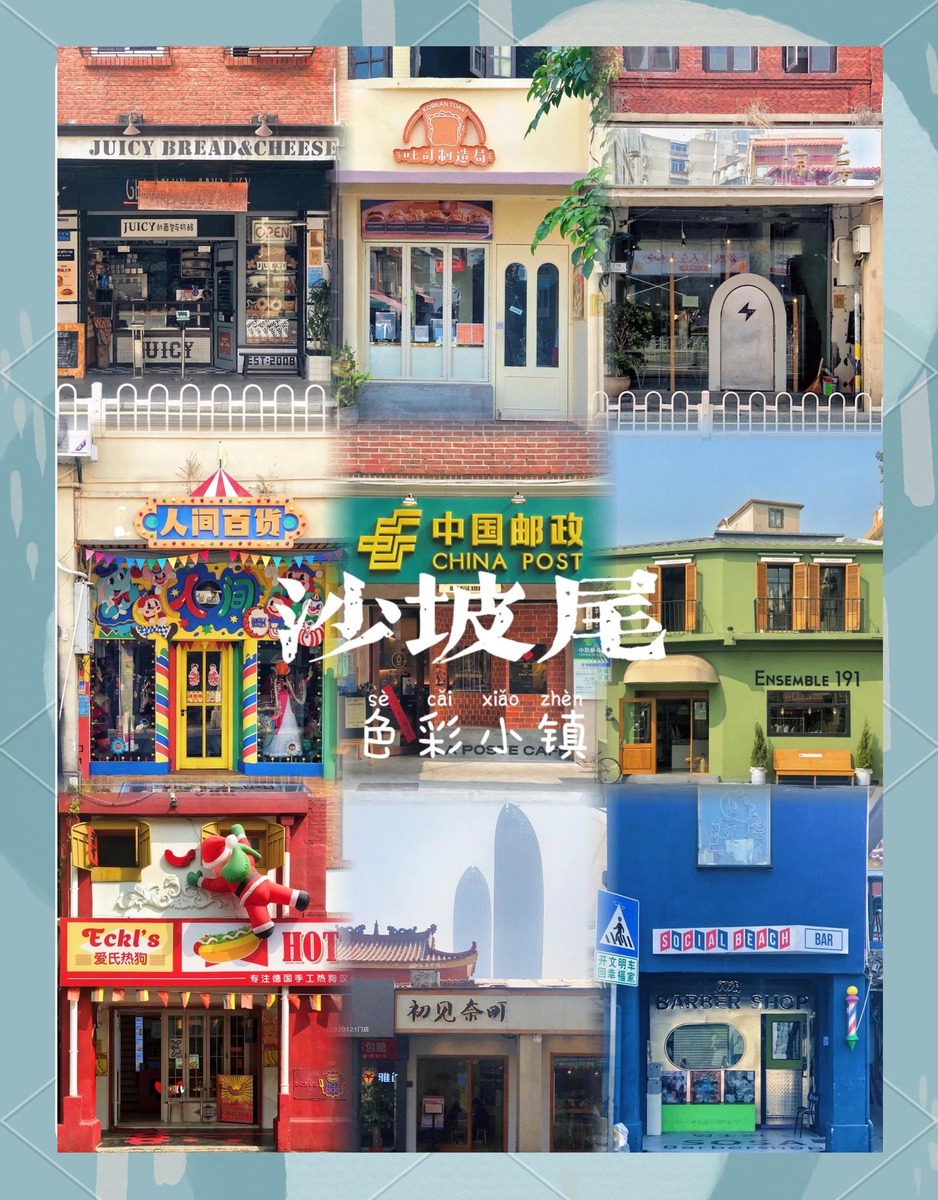
The harbour opens straight out to the water, which makes late afternoon the right time: the light comes across the basin, the boats go dark against it, and the towers and the bridge stand up beyond. Come for that hour and the place explains itself.
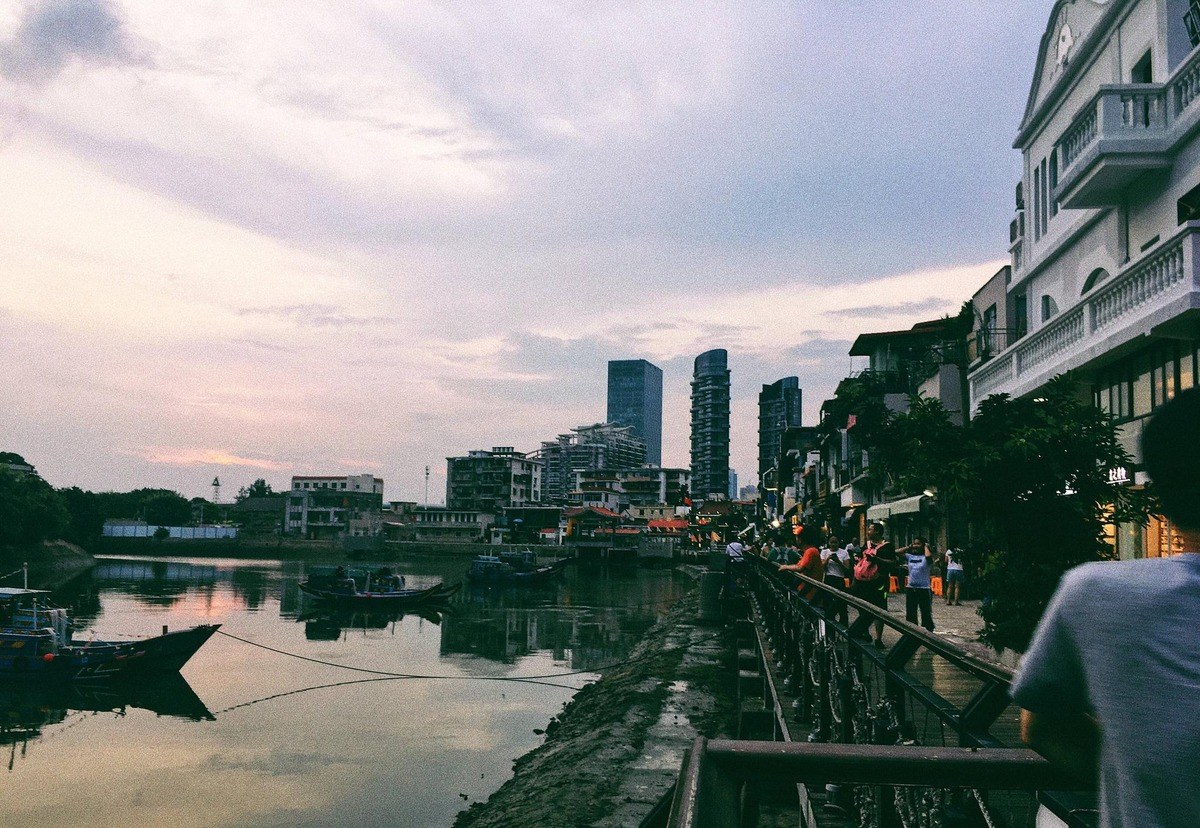
3. Cultural Contrast: A Port That Became a Campus Backyard
In Europe a harbour like this would have been turned into a heritage quarter with a museum and a sign explaining the fishing industry. Shapowei skipped that step. The fishing went, the students came, and the warehouses were rented out rather than restored — which is why it still feels improvised and why it is more interesting than a polished waterfront.
It also means the place is in flux. Shops close, studios move, a lane gets rebuilt. Do not come expecting a fixed itinerary; come for the basin, the boats and an hour of wandering, and treat whatever is open as a bonus.
- Two hours is plenty, more if you stop for coffee and stay for the light.
- Late afternoon to sunset is the window that matters.
- Walk, do not drive. The lanes are narrow, parking is scarce and everything is within a few hundred metres.
4. Practical Essentials: Free Streets, Cafes & Getting There
Tickets & Passport Booking
- The district is free and open at all hours. It is a public waterfront and street grid, not a ticketed sight; no booking, no gate, no passport check to walk in.
- Shops and cafes keep roughly 11:00 to 22:00. Two sources agree on that window, and it is the only one worth planning around.
- Individual venues charge their own way in. Some galleries, the live-music venue and the observation deck in the twin towers are ticketed separately if they are ticketed at all — check at the door rather than assuming.
How to Get There
- Address: the Shapowei area off Daxue Road, Siming District, immediately south of Xiamen University.
- On foot: it is a ten-minute walk from the Xiamen University gates and easy to combine with Nanputuo or Baicheng Beach.
- By taxi: say 师傅,去沙坡尾 — the harbour is the landmark; ask to be dropped at the basin rather than on the main road.
- By metro or bus: the nearest stops are a short walk inland; follow signs for the harbour once you are on Daxue Road.
Inside Tips & Scam Alerts
- The back lanes are where the good things are. The small studios and the coffee roasters sit behind the warehouses, not on the front row facing the water.
- Check the tide before you go. At high water the basin is a flat sheet and the boats float; at low tide you get the hulls, the mud and the working detail. Both are worth seeing, but they are different places.
- The harbour wall and steps are wet and slippery. They are unrailed in places and the stone holds algae — this is a working edge, not a promenade.
- Keep your belongings close after dark. The bars and the music venue empty out late into narrow lanes.
- Complaints, overcharging or a taxi that will not use the meter: call 12345, free from a local phone, with English-speaking operators.
Quick Answers
The 6 things visitors ask before setting out, answered from the same verified record used across this page.
- How much does it cost to visit Shapowei Art Zone?
- Free to walk.
- What are the opening hours at Shapowei Art Zone?
- Always open; shops and cafes roughly 11:00-22:00.
- Is Shapowei Art Zone wheelchair accessible?
- Yes. The harbour front and the converted warehouse block are level and paved; some studio interiors have a step at the door.
- How do I tell a taxi driver to take me to Shapowei Art Zone?
- Copy this line into DiDi or show it to the driver: 师傅,请带我到沙坡尾艺术西区(沙坡尾60号),谢谢!
- Can I leave my luggage at Shapowei Art Zone?
- Cafe counters will hold a bag for an hour if you buy something; no formal lockers.
- Will English work at Shapowei Art Zone?
- Yes — staff used to foreign visitors handle English, and the site scores 4/5 on our foreign-friendliness scale.
Where to go next
Three short lists, recomputed at build time from the same coordinates and categories as the pages themselves — no paid placement, no hand-picked names. Every card is a published guide.
Next stop in Xiamen
Straight-line distance from this spot, so you can judge what is walkable and what needs a taxi.


More like this, elsewhere in China
If modern architecture is what you came for, these are the closest equivalents you can reach in another city — ordered by distance, one city per card.


Change the subject
Deliberately a different category, for when one more temple or garden would blur into the last one.


Lists are derived from coordinates and category alone. Fix a wrong pin or re-tag a place and every list that mentions it moves with it.
Before you go · arrival essentials
Practical guides that pair with this kind of place — picked by category, not sponsored placement.
- Claim your tourist tax refundTax refund · Get 11% VAT back on what you buy here, at the airport on departure.
- Pay with Alipay & WeChat PayPayment · Set up Alipay or WeChat Pay on a foreign card — needed at almost every counter.
- Book China train tickets (12306)Trains · Buy high-speed rail tickets with a foreign passport, for getting here and back.