
Shuzhuang Garden & Piano Museum

Taxi & Street Navigation Help
师傅,请带我到鼓浪屿菽庄花园(晃岩路35-6号),谢谢!
Opening Hours & Best Time
About 08:00-17:30 (winter) / 08:00-18:00 (summer).
💡 Pro Tip: The garden hides the sea instead of showing it: you walk through walled courtyards and only meet the water at the 四十四桥 causeway. Do it in that order - don't shortcut to the sea wall first.
Accessibility & Luggage Lockers
Accessibility: ⚠️ Step thresholds, limited access
The garden paths are paved and mostly level, so a pushchair works. The Piano Museum sits up a short flight of steps with no ramp; the sea-facing promenade is step-free.
🧳 Luggage Storage: No storage; the entrance is 600 m from the ferry piers.
Nearby Landmarks
The 2 places within reach of this spot — each one opens straight into Apple Maps or Amap, with the Chinese name you can show a driver.

Chinese names and pins are matched against each city's own map data at build time; a place only gets Directions once its pin has been verified, otherwise the button searches by name.
About Shuzhuang Garden & Piano Museum
1. Historical Origins: A Garden That Hides the Sea
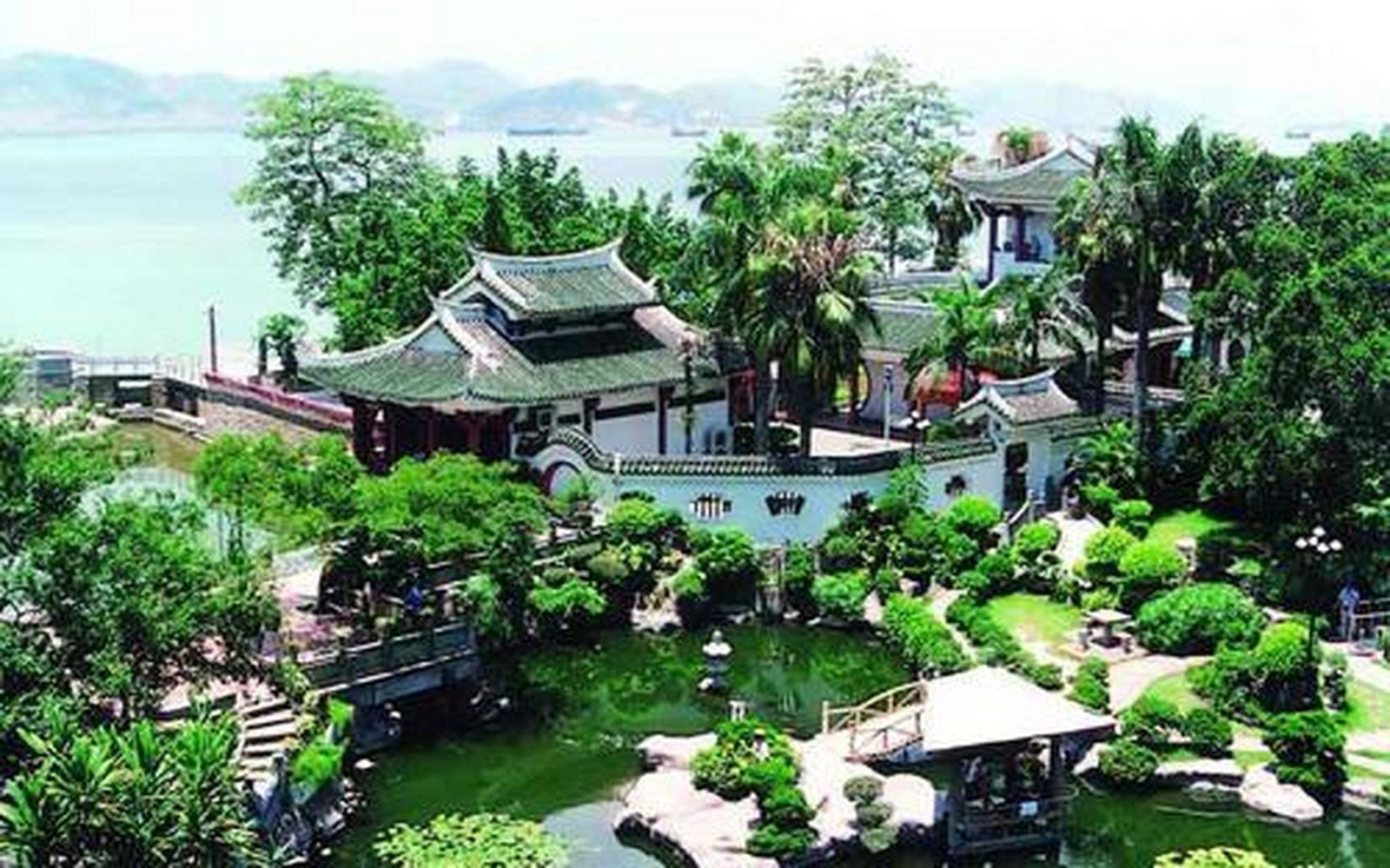
Shuzhuang is a private garden built on the island’s southern shore in the early twentieth century by a Xiamen merchant family, and it is the best piece of landscape design on Kulangsu. Its conceit is unusual and it is the whole reason to come: the garden does not open onto the sea. It walls it off. You move through courtyards and moon gates, past rockeries and covered walks, and the water is kept out of sight until the last turn.
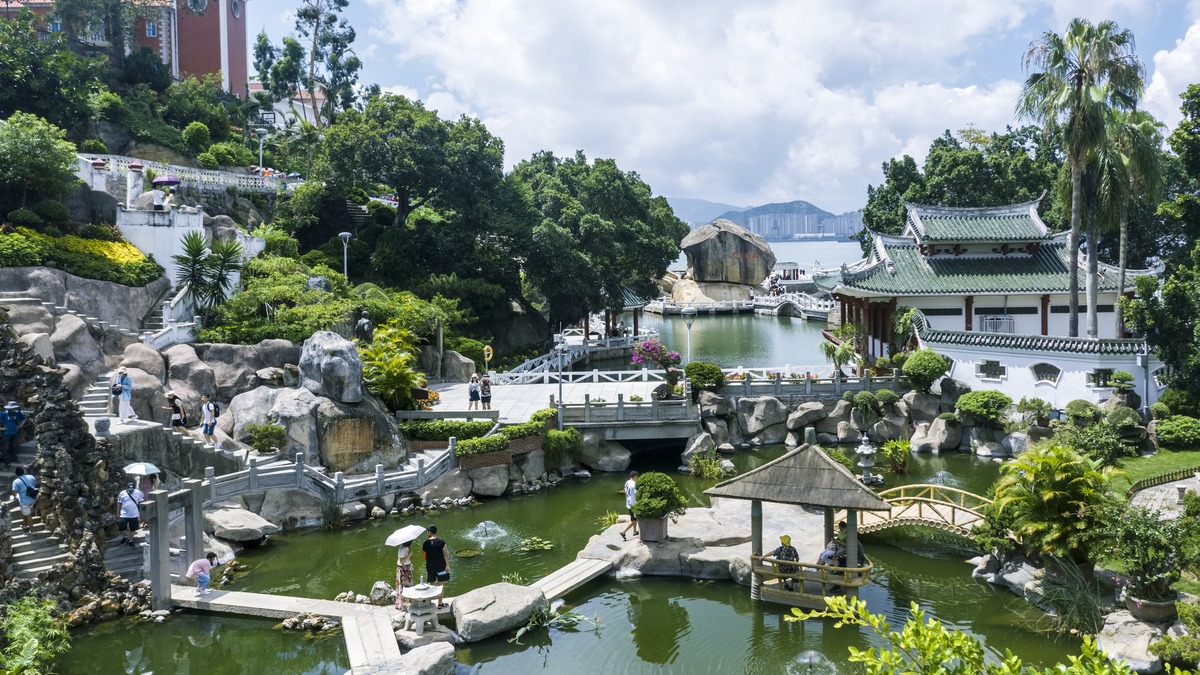
Then the causeway — a low bridge of forty-four spans running out along the water — puts you over the sea itself. It is a deliberate piece of theatre, and it still works a century later.
2. What to Spot: Courtyards, Causeway, Pianos
🏮 The Walled Garden
The inner garden is Chinese in manner: whitewashed walls with lattice windows, a rockery maze, a pond, and sight lines that keep showing you a fragment of something and then closing it off. Walk it slowly and in order; the design depends on sequence.
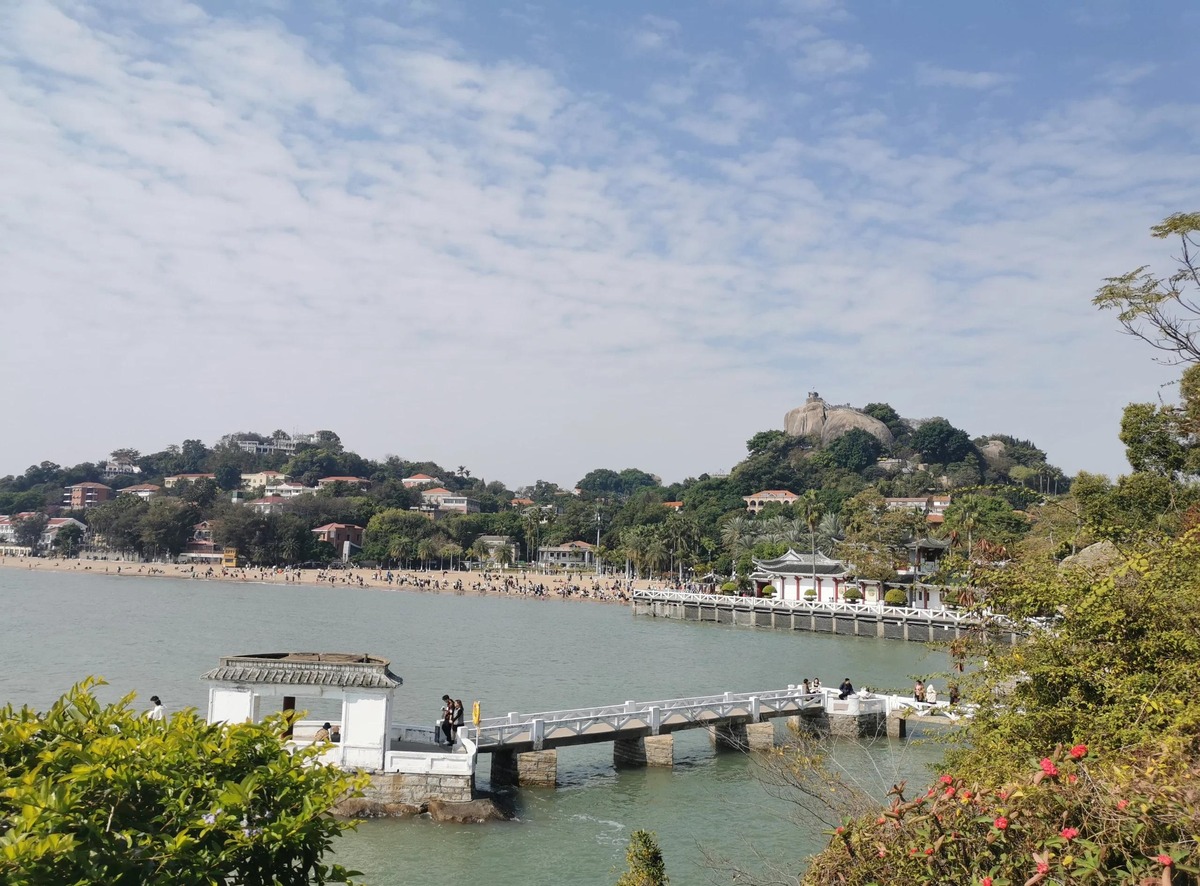
- The Story: The garden was a family retreat, not a public park, and the design is domestic in scale — built to be lived in rather than admired from a path.
- What to Look For: The moon gates. Each one frames a different borrowed view, which is the oldest trick in Chinese garden design and here it is done with the sea.
🌉 The Forty-Four Bridge
The causeway is the payoff. It runs low over the water with a pavilion halfway along, and from it you look back at the garden walls and out to the islands. Go out to the end before you turn round; the effect only lands in that direction.
🎹 The Piano Museum
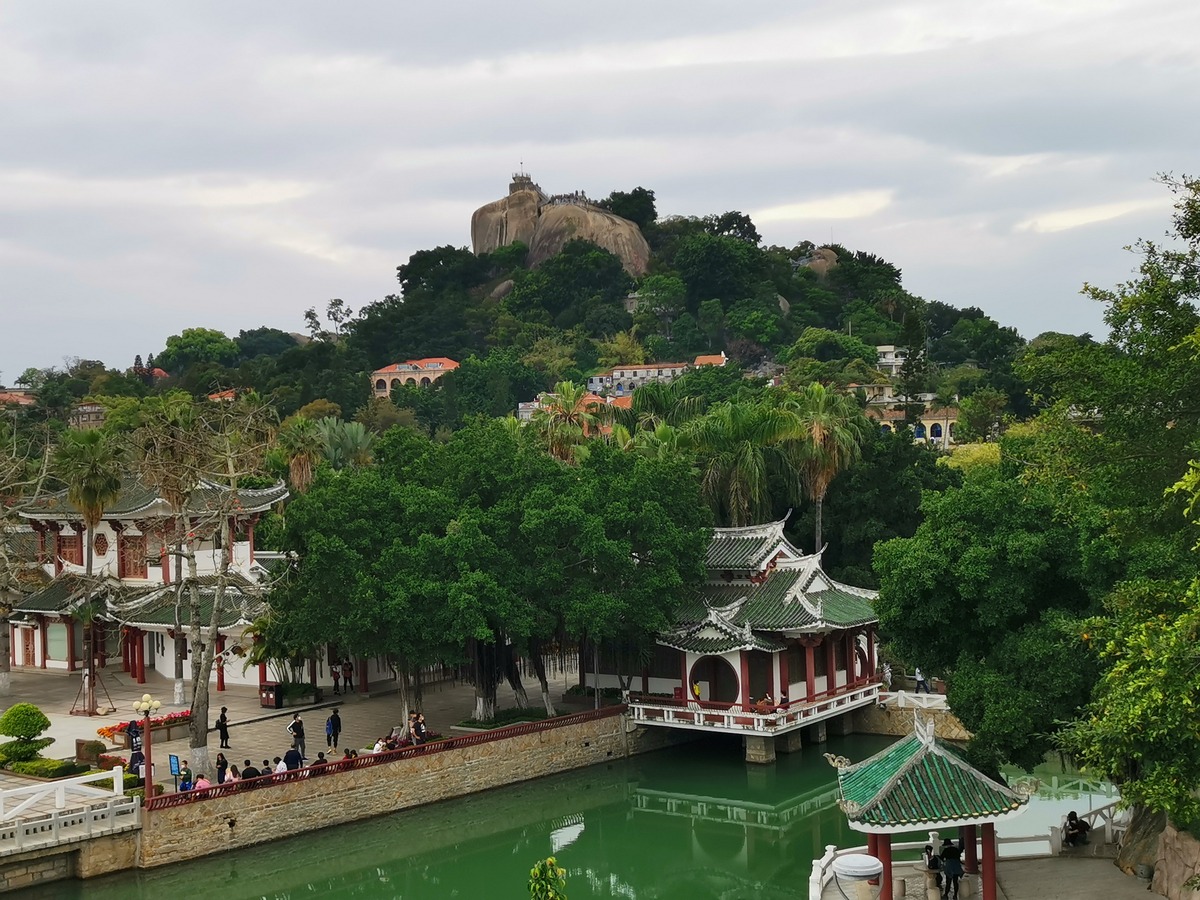
The garden holds the island’s piano museum, a collection of antique instruments accumulated from the families and churches of Kulangsu. It is the clearest evidence for the island’s old nickname, and it is included in the garden ticket rather than sold separately.
3. Cultural Contrast: Two Gardens in One
Shuzhuang is a hybrid, and that is what makes it interesting: a Jiangnan scholar’s garden with its walls and borrowed views, built by a merchant family on a subtropical island, with a European piano collection inside it. The piano museum and the rockery are the same idea in two directions — a Chinese family demonstrating that it belonged to both worlds.
- Follow the designed order. Courtyards first, causeway last. Taking the short cut to the sea wall spoils the one effect the garden was built for.
- An hour to ninety minutes is right, including the pianos.
- The causeway is the accessible part. The inner garden has steps, bridges and rockery passages; the waterfront path is comparatively easy.
4. Practical Essentials: Tickets, Transit & Scam Alerts
Tickets & Passport Booking
- Shuzhuang is a paid sight, and it is included in the island’s five-sight combo. No figure is quoted here — single and combined prices vary between channels, and the official page is what counts.
- The piano museum is inside the garden ticket. There is nothing extra to pay at the door of the collection.
- Seasonal hours: roughly eight in the morning to half past five in winter and to six o’clock in summer. Confirm at the gate.
- Carry a passport, and remember that the ferry to Kulangsu has to be booked in advance.
How to Get There
- On foot only. From Sanqiutian pier, walk south through the lanes toward the Gangzaihou beach side; the garden sits on the shore near Sunlight Rock, and the two are usually done together.
- Ask in Chinese. Shuzhuang Garden (菽庄花园) or the Piano Museum (钢琴博物馆) will get you pointed the right way; the lanes do not follow a grid.
- From Xiamen: ferry first, everything else second.
Inside Tips & Scam Alerts
- “Free guide” offers on the island lead to shops. Decline them; the garden needs no guide.
- Piano talks and demonstrations run to a timetable that is not published online. Ask at the door what is on that day.
- The rockery maze is easy to get lost in — go through it with someone else, especially with children.
- The waterfront path is exposed. There is little shade on the causeway and the wind is stronger than the garden suggests.
- Complaints or overcharging: the 12345 hotline is free from a local phone and has English-speaking operators.
Quick Answers
The 6 things visitors ask before setting out, answered from the same verified record used across this page.
- How much does it cost to visit Shuzhuang Garden & Piano Museum?
- ¥30 single site (included in the ¥90 five-site combo).
- What are the opening hours at Shuzhuang Garden & Piano Museum?
- About 08:00-17:30 (winter) / 08:00-18:00 (summer).
- Is Shuzhuang Garden & Piano Museum wheelchair accessible?
- Not fully. The garden paths are paved and mostly level, so a pushchair works. The Piano Museum sits up a short flight of steps with no ramp; the sea-facing promenade is step-free.
- How do I tell a taxi driver to take me to Shuzhuang Garden & Piano Museum?
- Copy this line into DiDi or show it to the driver: 师傅,请带我到鼓浪屿菽庄花园(晃岩路35-6号),谢谢!
- Can I leave my luggage at Shuzhuang Garden & Piano Museum?
- No storage; the entrance is 600 m from the ferry piers.
- Will English work at Shuzhuang Garden & Piano Museum?
- Yes — staff used to foreign visitors handle English, and the site scores 4/5 on our foreign-friendliness scale.
Where to go next
Three short lists, recomputed at build time from the same coordinates and categories as the pages themselves — no paid placement, no hand-picked names. Every card is a published guide.
Next stop in Xiamen
Straight-line distance from this spot, so you can judge what is walkable and what needs a taxi.


More like this, elsewhere in China
If park or garden is what you came for, these are the closest equivalents you can reach in another city — ordered by distance, one city per card.


Change the subject
Deliberately a different category, for when one more temple or garden would blur into the last one.


Lists are derived from coordinates and category alone. Fix a wrong pin or re-tag a place and every list that mentions it moves with it.
Before you go · arrival essentials
Practical guides that pair with this kind of place — picked by category, not sponsored placement.