
Tanhualin Historic Quarter
ℹ️ Free to walk. A few small galleries and experience shops charge separately.

The 'vintage' shops quote tourist prices on goods that are new. Coffee is the honest purchase here. Watch for pickpockets in the narrow upper lane on weekend evenings.
Taxi & Street Navigation Help
师傅,请带我到昙华林历史街区,谢谢!
Opening Hours & Best Time
Lanes open 24h; shops roughly 10:00-22:00, many closed on Mondays.
💡 Pro Tip: Enter from the 得胜桥 end and walk uphill, then continue to the 翟雅阁 gymnasium and the old university buildings - most visitors turn around at the coffee shops and miss the best architecture.
Accessibility & Luggage Lockers
Accessibility: ⚠️ Step thresholds, limited access
A stepped hill lane with cobbles and no continuous ramp; the lower half is walkable with a stroller but the upper section is not.
🧳 Luggage Storage: No storage; the lane is narrow, so wheeled luggage is a nuisance.
Nearby Landmarks
The 2 places within reach of this spot — each one opens straight into Apple Maps or Amap, with the Chinese name you can show a driver.
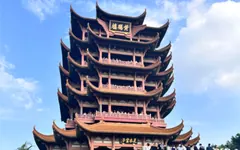
Chinese names and pins are matched against each city's own map data at build time; a place only gets Directions once its pin has been verified, otherwise the button searches by name.
About Tanhualin Historic Quarter
1. Historical Origins: Mission Schools in a Ming Street Plan
Tanhualin is a lane on a slope, running between Garden Hill and Phoenix Hill in the old Wuchang quarter, and it has been a street for more than six hundred years — the layout dates to the Hongwu reign of the Ming dynasty. What makes it different from every other old lane in the city is what was built along it at the end of the Qing and the beginning of the Republic.
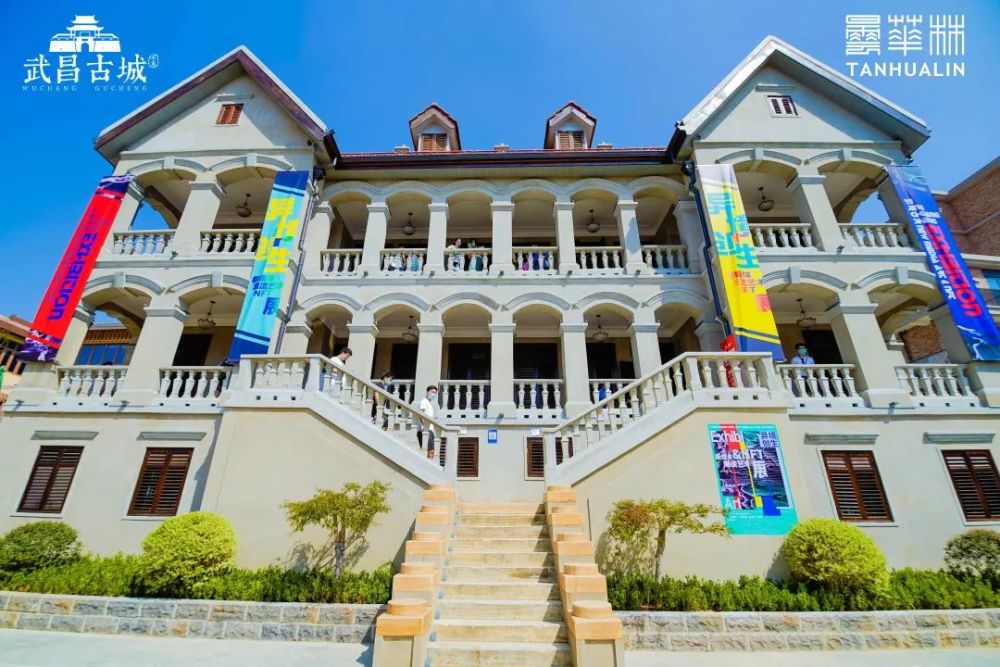
Missionary societies put their schools, orphanages and residences here, on the high ground behind the city wall, and dozens of those Western-style buildings are still standing: brick facades, arched windows, verandahs facing the street. They were not grand. They were institutional, built to house and teach, and they sat among Chinese courtyard houses without replacing them.
In the 2000s artists and independent coffee shops moved into the ground floors, and the lane became the place young Wuhan goes to sit down. That is the Tanhualin you will visit — a Ming street plan, a colonial-era building stock, and a very contemporary retail layer on top of both.
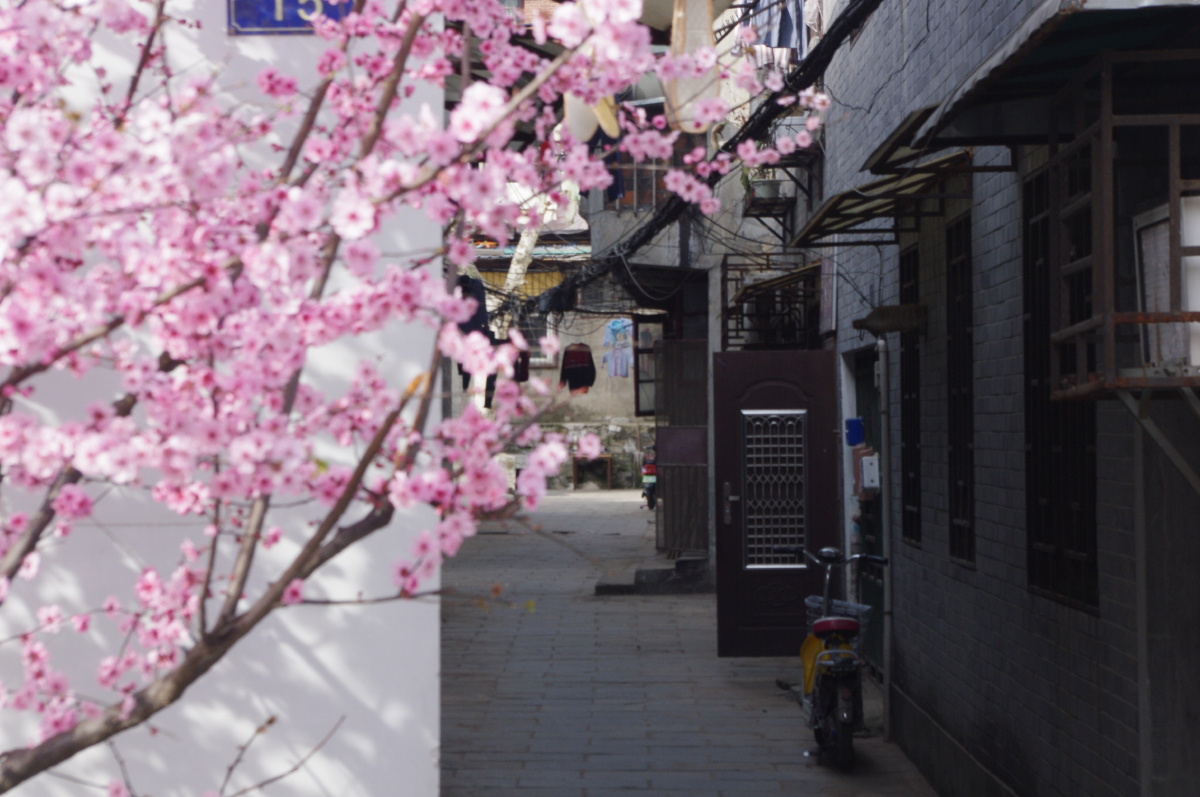
2. What to Spot: The Buildings Above the Coffee Shops
⛪ The Mission Buildings
- The Story: Brick school blocks and residences built by missionary societies between the late Qing and the early Republic, dozens of them, scattered through the lane and the alleys behind it. Some are still in institutional use; others have become studios, galleries and shops.
- What to Look For: The arched windows and the verandahs — details that survived because the buildings were useful, not because anyone was preserving them. Look up above the shopfronts; the ground floors hide almost everything.
📮 The Red Postbox Corner
- The Story: A red pillar box on a street corner, kept as streetscape rather than restored as an exhibit, and the object most visitors stop for.
- What to Look For: The old shopfronts around it. The postbox is the signal that this stretch has not been rebuilt; the buildings on either side are the reason it looks that way.
🧵 The Embroidered Silk Workshops
- The Story: Han embroidery — 汉绣 — is a regional style from Hubei, dense and unafraid of colour. Several small studios along the lane demonstrate it and sell finished pieces.
- What to Look For: The stitch density on a finished panel. If you want to buy, ask what is hand-embroidered and what is machine-worked; the price difference is real and the answer is usually honest in the studios themselves, unlike the “vintage” shops.
📚 The Gymnasium and the Old Campus
- The Story: At the top of the lane, past the coffee strip, the Zhaiyage gymnasium and a cluster of early university buildings survive from the same institutional period. Most visitors turn around before reaching them.
- What to Look For: The change in scale. The lane is narrow and commercial; the campus buildings are big, quiet and almost empty, and they explain what this hill was for before it was Instagrammable.
3. Cultural Contrast: How to Like Tanhualin Anyway
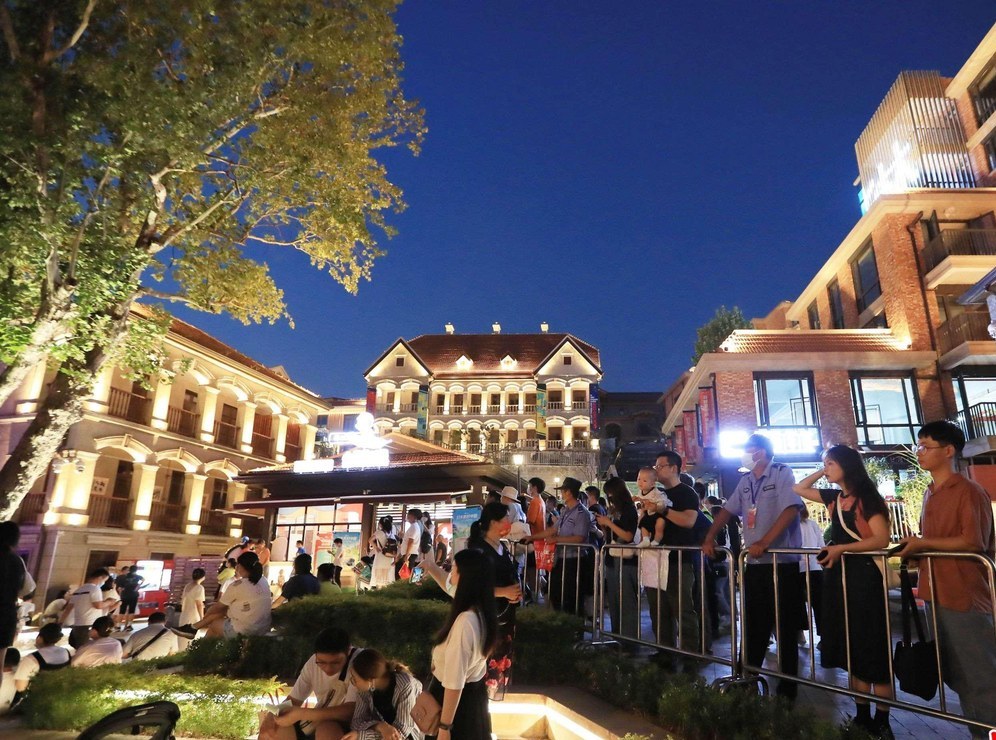
The honest version, which nobody in the cafes will tell you: Tanhualin is not an untouched slice of old Wuhan. It is a commercialised arts quarter with an unusually good building stock underneath. If you arrive expecting authenticity you will notice only the coffee prices; if you arrive expecting a photogenic uphill lane with real 19th-century architecture above the shopfronts, it delivers.
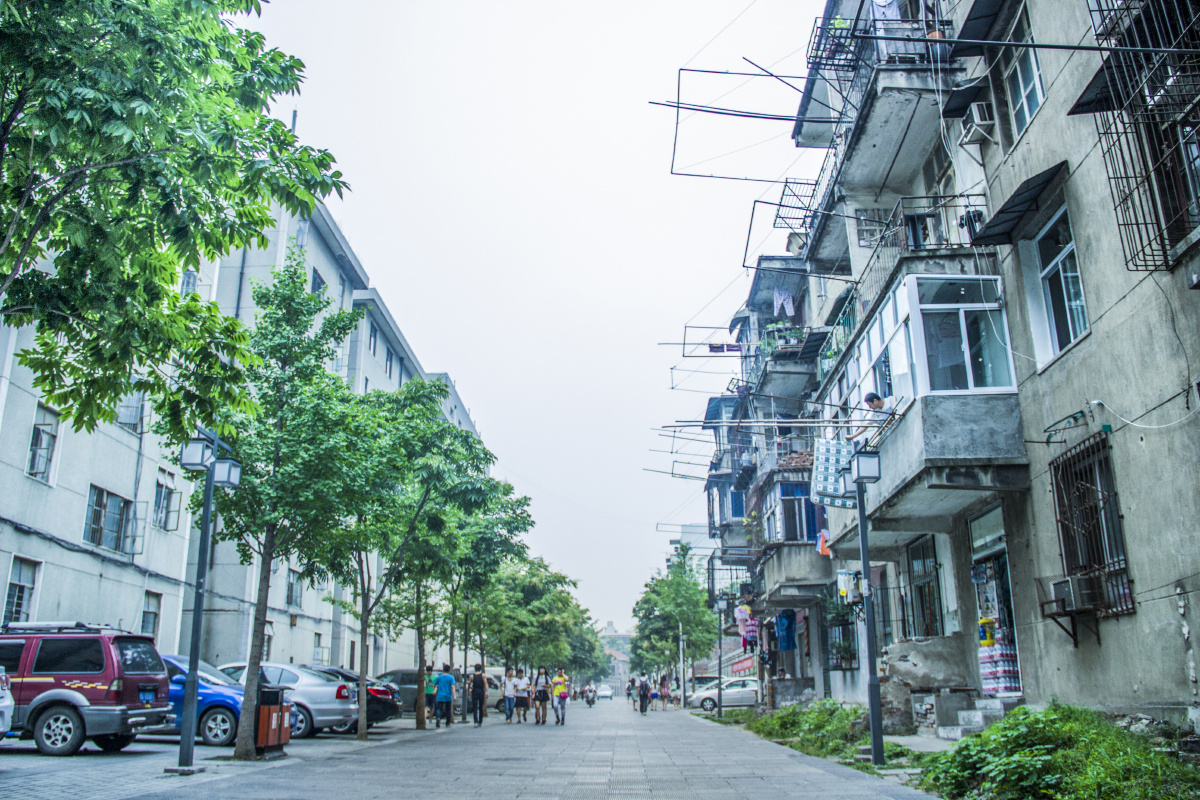
The comparison worth making is with the other famous old lanes of Wuchang — Hubu Alley, which is entirely food and entirely crowded. Tanhualin’s advantage is vertical: the slope means the lane keeps revealing new views, and the buildings get better the higher you walk. Its disadvantage is that the retail layer is the same everywhere, and the “vintage” shops are selling new goods at tourist prices.
So treat it as a half-day supporting act rather than a destination. Coffee here in the morning, Hubu Alley for lunch, Yellow Crane Tower in the afternoon, the Yangtze bridge at sunset. That is the classic Wuchang circuit, and Tanhualin is the part of it where you sit down.
4. Practical Essentials: Tickets, Transit & Scam Alerts
Tickets & Passport Booking
- Price: Free. This is an open street, not a ticketed attraction; a few small galleries and experience shops charge their own entry.
- How to Book: Nothing to book and nothing to reserve. The galleries that charge take cash or mobile payment at the door; foreign cards are not accepted in shops of this size.
- Opening Hours: The lane itself never closes. Shops run roughly 10:00–22:00 with wide variation between them, and many close on Mondays.
How to Get There
- By Metro: Line 5 to Tanhualin Station (昙华林). The station is named for the street, so the exit should be close — but confirm which one on the day, as exits have changed.
- Alternative: Buses towards Yanzhi Road (胭脂路) or Simenkou (司门口) put you at the lower end of the lane.
- Show Your Driver: 师傅,去昙华林(武昌昙华林路),谢谢!
Inside Tips & Scam Alerts
- Enter from the Deshengqiao end (得胜桥) and walk uphill. That is the direction that keeps revealing things; walking down means you see the tourists first and the architecture last. Keep going past the coffee strip to the gymnasium and the old campus buildings.
- Do not believe the “ten minutes’ walk to Yellow Crane Tower” line. By road it is about ten minutes; on foot it is forty minutes or more, and uphill in part. Take a taxi or plan the circuit properly.
- Weekend afternoons are packed. If you want photographs of an empty lane, come before 10:00 on a weekday.
- The “vintage” shops are selling new goods at tourist prices. Coffee is the honest purchase here, and the embroidery studios are the honest souvenir.
- Keep an eye on your bag in the narrow upper lane on weekend evenings. Crowds plus narrow passages is the standard pickpocket recipe.
- The main lane is stone-paved and usable with a wheelchair; the side alleys have steps.
- Complaints or overcharging: the 12345 hotline is free to call from any local phone and has English operators.
Quick Answers
The 6 things visitors ask before setting out, answered from the same verified record used across this page.
- How much does it cost to visit Tanhualin Historic Quarter?
- Free to walk; shops charge. Free to walk. A few small galleries and experience shops charge separately.
- What are the opening hours at Tanhualin Historic Quarter?
- Lanes open 24h; shops roughly 10:00-22:00, many closed on Mondays.
- Is Tanhualin Historic Quarter wheelchair accessible?
- Not fully. A stepped hill lane with cobbles and no continuous ramp; the lower half is walkable with a stroller but the upper section is not.
- How do I tell a taxi driver to take me to Tanhualin Historic Quarter?
- Copy this line into DiDi or show it to the driver: 师傅,请带我到昙华林历史街区,谢谢!
- Can I leave my luggage at Tanhualin Historic Quarter?
- No storage; the lane is narrow, so wheeled luggage is a nuisance.
- Is there anything to watch out for at Tanhualin Historic Quarter?
- The 'vintage' shops quote tourist prices on goods that are new. Coffee is the honest purchase here. Watch for pickpockets in the narrow upper lane on weekend evenings.
Where to go next
Three short lists, recomputed at build time from the same coordinates and categories as the pages themselves — no paid placement, no hand-picked names. Every card is a published guide.
Next stop in Wuhan
Straight-line distance from this spot, so you can judge what is walkable and what needs a taxi.


More like this, elsewhere in China
If historic district is what you came for, these are the closest equivalents you can reach in another city — ordered by distance, one city per card.


Change the subject
Deliberately a different category, for when one more temple or garden would blur into the last one.


Lists are derived from coordinates and category alone. Fix a wrong pin or re-tag a place and every list that mentions it moves with it.
Before you go · arrival essentials
Practical guides that pair with this kind of place — picked by category, not sponsored placement.
- Pay with Alipay & WeChat PayPayment · Set up Alipay or WeChat Pay on a foreign card — needed at almost every counter.
- Claim your tourist tax refundTax refund · Get 11% VAT back on what you buy here, at the airport on departure.
- Book China train tickets (12306)Trains · Buy high-speed rail tickets with a foreign passport, for getting here and back.