
Kaifu Temple
ℹ️ ⚠️ About ¥10 - confirm at the gate. Separate small fees for some halls.

Monks do not sell blessings at a fixed price. Anyone in robes quoting ¥200-800 for a 'prosperity ritual' or an inscription is not temple staff - walk away and give at the 功德箱 if you want to donate.
Taxi & Street Navigation Help
师傅,请带我到开福寺(开福区开福寺路),谢谢!
Opening Hours & Best Time
About 08:00-17:00.
💡 Pro Tip: This is a working temple, not a museum: go at 06:30-08:00 for the morning chanting, which is the real experience. The vegetarian canteen serves lunch from 11:00 for about ¥10.
Accessibility & Luggage Lockers
Accessibility: ♿ Wheelchair & Stroller Friendly
Flat courtyards with low thresholds and ramps between halls. The main halls are step-free; the rear garden paths are packed earth.
🧳 Luggage Storage: No storage.
Nearby Landmarks
The 2 places within reach of this spot — each one opens straight into Apple Maps or Amap, with the Chinese name you can show a driver.
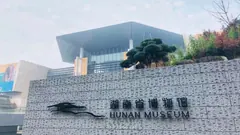
Chinese names and pins are matched against each city's own map data at build time; a place only gets Directions once its pin has been verified, otherwise the button searches by name.
About Kaifu Temple
1. Historical Origins: A Working Temple Older Than the City Around It
Kaifu Temple claims a founding date in the Five Dynasties period, when the Chu kingdom ruled Hunan from Changsha — the usual attribution is to the reign of Ma Yin, in the first half of the 10th century. That makes it older than almost anything else you can see in the city, and it explains the district’s name: Kaifu, the temple that “opened the fortune” of Changsha.
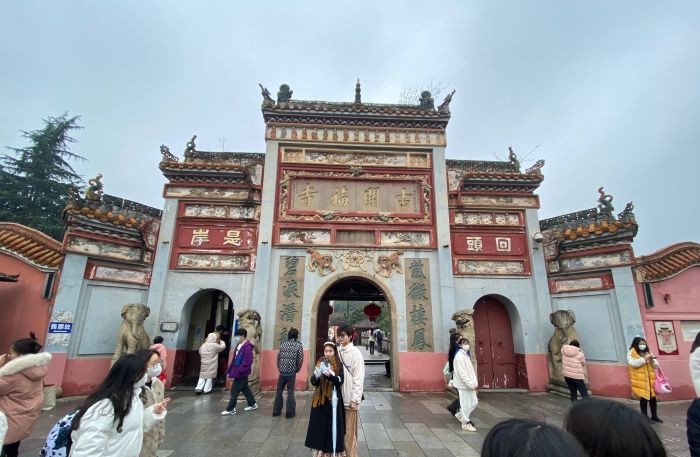
Unlike the rebuilt “ancient streets” elsewhere in the city, this is still a functioning religious site with monks in residence, a working kitchen and a steady stream of local worshippers who come to burn incense before work. That is also the reason to visit: not architecture on a monumental scale, but a temple doing its job in the middle of a residential neighbourhood.
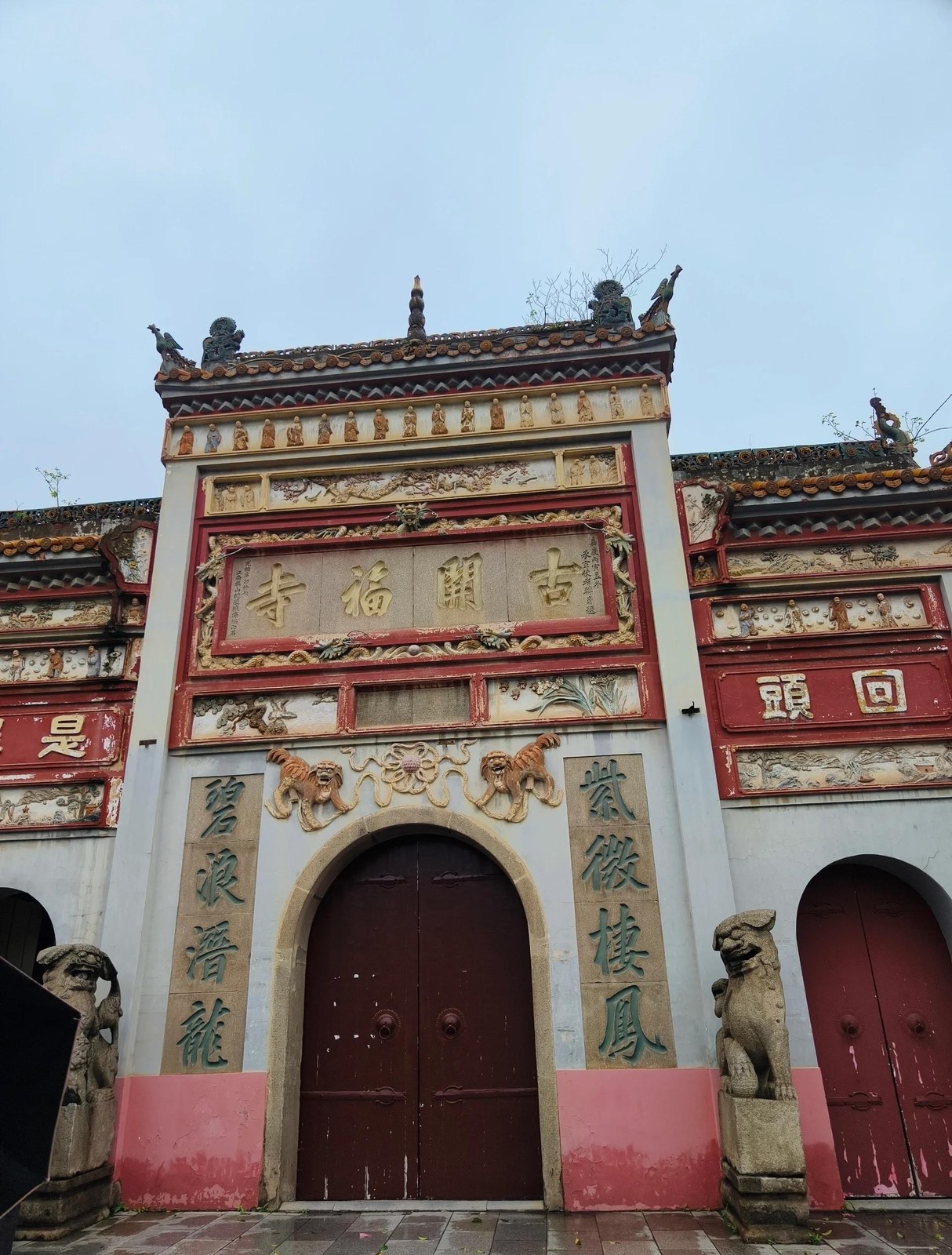
2. What to Spot: Halls, Incense, and the Brick Pagoda
🏮 The Main Halls
- The Story: The compound follows the standard Chan Buddhist plan — gate, Hall of Heavenly Kings, Great Hall — rebuilt repeatedly over the centuries, most recently in the 1980s and 90s.
- What to Look For: The Great Hall figures rather than the building: the gilded statues and the way the space is used, with worshippers kneeling in front of tourists walking through.
🛕 The Pagoda
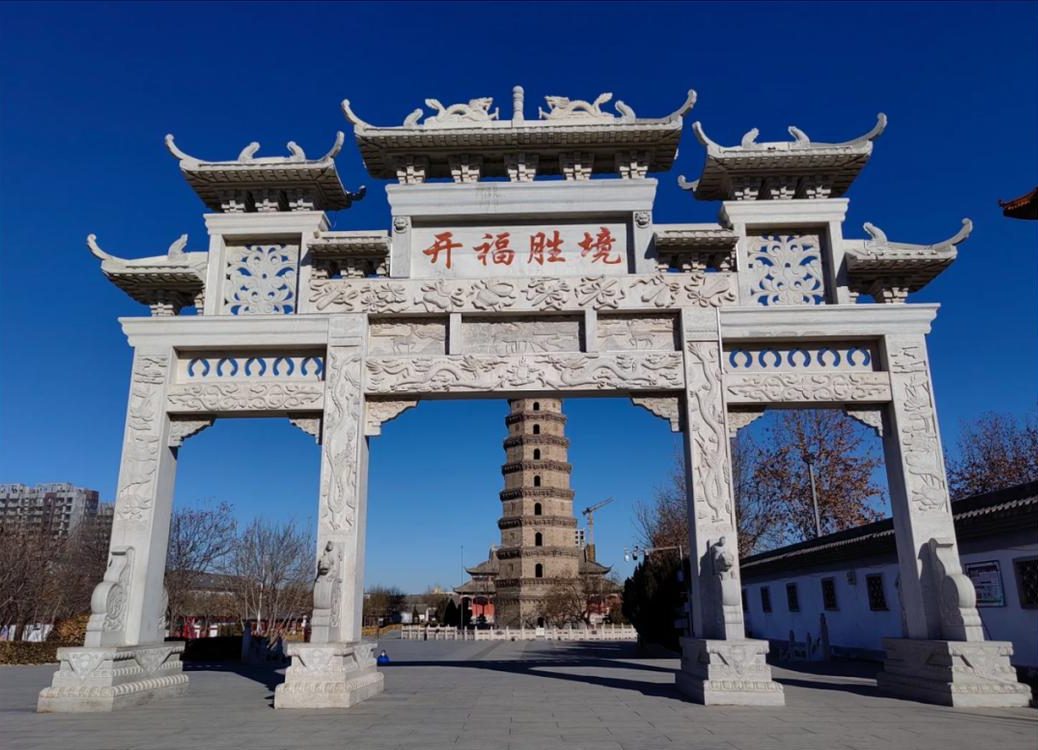
- The Story: The brick pagoda in the grounds is the oldest fabric on the site, and the one element that survived the 20th century intact. Its exact date is not settled in the sources we could verify — treat any guide who gives you a confident century with suspicion.
- What to Look For: Its plainness. Compared with the painted halls around it, the tower is unornamented brick, which is how it survived.
🪷 Ordinary Practice
- The Story: On lunar dates — the 1st and 15th of the lunar month, and Buddha’s birthday in the fourth lunar month — the courtyards fill with families burning incense and releasing offerings.
- What to Look For: Those days are the most interesting and the most crowded. If you want quiet, come on an ordinary weekday morning instead.
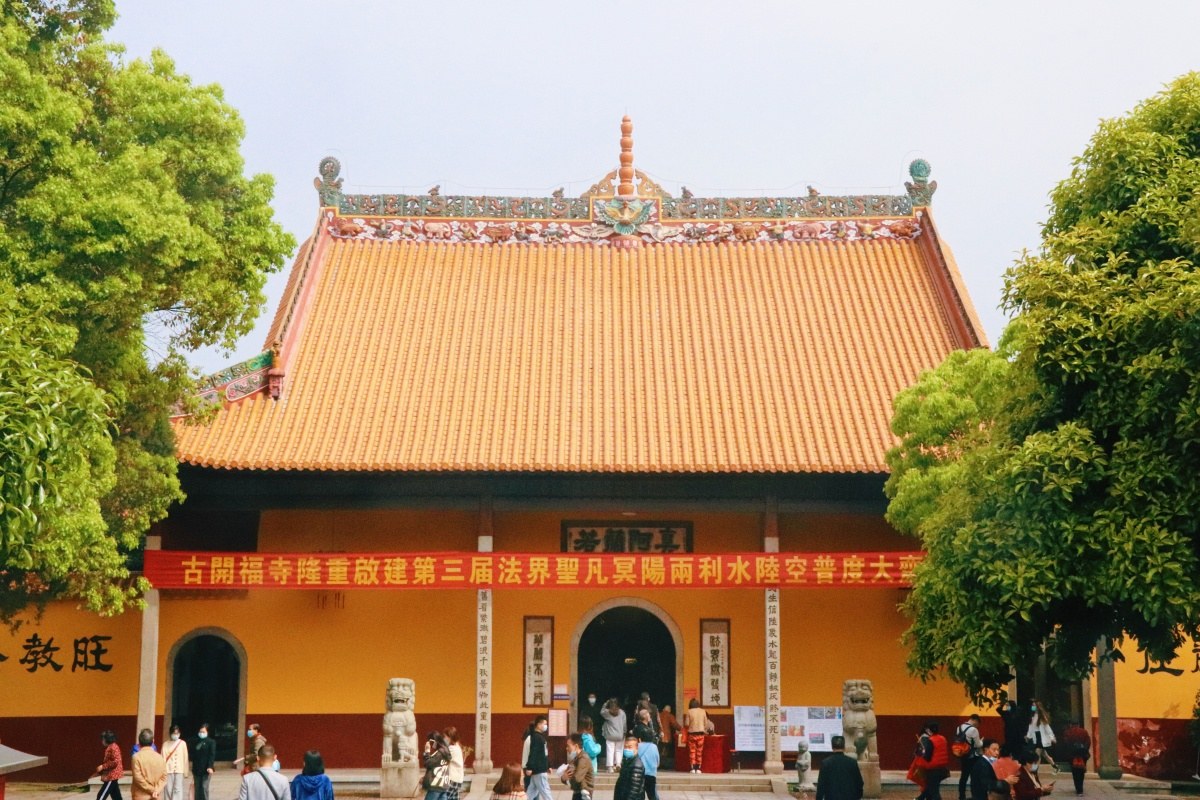
3. Cultural Contrast: Fewer Rules Than You Expect
Foreign visitors often assume Chinese temples require a formal tour or a guide. They do not. You walk in, keep your voice down, do not photograph monks directly or step into areas marked as closed, and that is the whole etiquette. There is no obligation to buy incense, and no objection to watching.
The honest comparison is with the rebuilt commercial lanes near Wuyi Square: Pozi Street and Taiping Street are heritage as retail. Kaifu Temple is the opposite — unpolished, partly peeling, and used by people who live nearby. If you only have time for one temple in Changsha and you want the one that feels real, come here; if you want the one that photographs best, you probably want Yuelu Academy instead.
4. Practical Essentials: Tickets, Transit & Scam Alerts
Tickets & Passport Booking
- Price: Not confirmed for this edition. Chinese Buddhist temples of this type usually charge either nothing or a small token fee of ¥10–20; confirm at the gate window before you queue.
- How to Book: Walk-in only. No online reservation, no passport registration and no WeChat mini-program is required at temples of this size — you may need to show a passport if there is a paid ticket.
- Opening Hours: Roughly daylight hours, typically 08:00–17:00. Climbing the pagoda is usually not permitted; the halls can be closed without notice for ceremonies.
How to Get There
- By Metro: Line 1 to Kaifu Temple Station (开福寺), Exit 2 — the gate is about 300 m west along Kaifu Temple Road. Tourist loops 2 and 3 also stop nearby. The route from the metro is flat and paved; inside the compound expect thresholds, steps at the halls and gravel in the courtyards, so a wheelchair can reach the main axis but not every hall.
- Show Your Driver: 师傅,请带我到开福寺,开福区开福寺路,谢谢!
Inside Tips & Scam Alerts
- Do not pay for “blessing” services offered by people in the courtyard. Genuine temple rituals are conducted by the temple’s own monks, and donation boxes inside the halls are the only legitimate way to give money.
- The 1st and 15th of the lunar month are genuinely crowded, not just busy — tens of thousands of local worshippers on major festival days, with queues at the incense burners. Avoid those dates if you want to look at the buildings.
- Incense is sold at the gate and inside; a bundle is a few yuan. You will be offered “premium” sticks at many times that price — decline, they are the same sticks.
- Dress modestly. Shoulders and knees covered is the local expectation here, unlike at commercial attractions.
- Combine it with the old quarter. The streets between the temple and Xiangchun Road are unrenovated Changsha — low brick houses, wet markets, cheap noodle shops — and walking 20 minutes through them is more interesting than the temple itself.
- Complaints: the 12345 hotline is free from any local phone.
Quick Answers
The 6 things visitors ask before setting out, answered from the same verified record used across this page.
- How much does it cost to visit Kaifu Temple?
- About ¥10. ⚠️ About ¥10 - confirm at the gate. Separate small fees for some halls.
- What are the opening hours at Kaifu Temple?
- About 08:00-17:00.
- Is Kaifu Temple wheelchair accessible?
- Yes. Flat courtyards with low thresholds and ramps between halls. The main halls are step-free; the rear garden paths are packed earth.
- How do I tell a taxi driver to take me to Kaifu Temple?
- Copy this line into DiDi or show it to the driver: 师傅,请带我到开福寺(开福区开福寺路),谢谢!
- Can I leave my luggage at Kaifu Temple?
- No storage.
- Is there anything to watch out for at Kaifu Temple?
- Monks do not sell blessings at a fixed price. Anyone in robes quoting ¥200-800 for a 'prosperity ritual' or an inscription is not temple staff - walk away and give at the 功德箱 if you want to donate.
Where to go next
Three short lists, recomputed at build time from the same coordinates and categories as the pages themselves — no paid placement, no hand-picked names. Every card is a published guide.
Next stop in Changsha
Straight-line distance from this spot, so you can judge what is walkable and what needs a taxi.


More like this, elsewhere in China
If temple is what you came for, these are the closest equivalents you can reach in another city — ordered by distance, one city per card.


Change the subject
Deliberately a different category, for when one more temple or garden would blur into the last one.


Lists are derived from coordinates and category alone. Fix a wrong pin or re-tag a place and every list that mentions it moves with it.
Before you go · arrival essentials
Practical guides that pair with this kind of place — picked by category, not sponsored placement.