
Xinle Site Museum

Small fixed ticket. The shop is minimal; there is nothing to be upsold on.
Taxi & Street Navigation Help
师傅,请带我到新乐遗址博物馆(龙山路),谢谢!
Opening Hours & Best Time
About 08:30-16:30; closed Mondays.
💡 Pro Tip: 7,200 years old, and the point is the **木雕鸟** - a carved wooden bird, the oldest wooden carving found in China. The museum is small and 40 minutes covers it; come only if you like deep prehistory, and combine it with 北陵 which is 2 km away.
Accessibility & Luggage Lockers
Accessibility: ♿ Wheelchair & Stroller Friendly
Small site museum with a level paved path and a ramped entrance to the exhibition hall. The reconstructed pit houses are entered by a low step.
🧳 Luggage Storage: No lockers.
Nearby Landmarks
The 2 places within reach of this spot — each one opens straight into Apple Maps or Amap, with the Chinese name you can show a driver.
Chinese names and pins are matched against each city's own map data at build time; a place only gets Directions once its pin has been verified, otherwise the button searches by name.
About Xinle Site Museum
1. Historical Origins: Seven Thousand Years Before the City
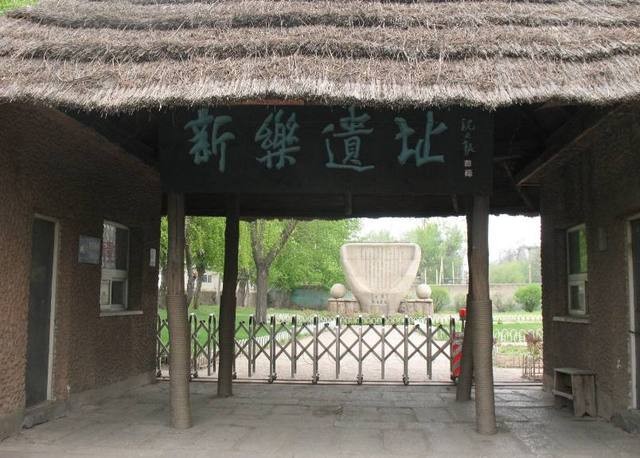
Shenyang is usually explained through the Qing, or through the twentieth-century railway. This site pushes the story back by roughly seven millennia: a Neolithic settlement on a terrace above the river, excavated in the 1970s, with houses, storage pits and the rubbish of ordinary life from about 5,200 BC. The culture is named Xinle after the find, and it is one of the earliest settled communities known in the Liao River basin.
The museum is built over part of the excavated area, which is the reason to come: you are not looking at objects in a case, but at the floor of a village with a reconstructed house above it. Small, specialised, and about forty minutes long.
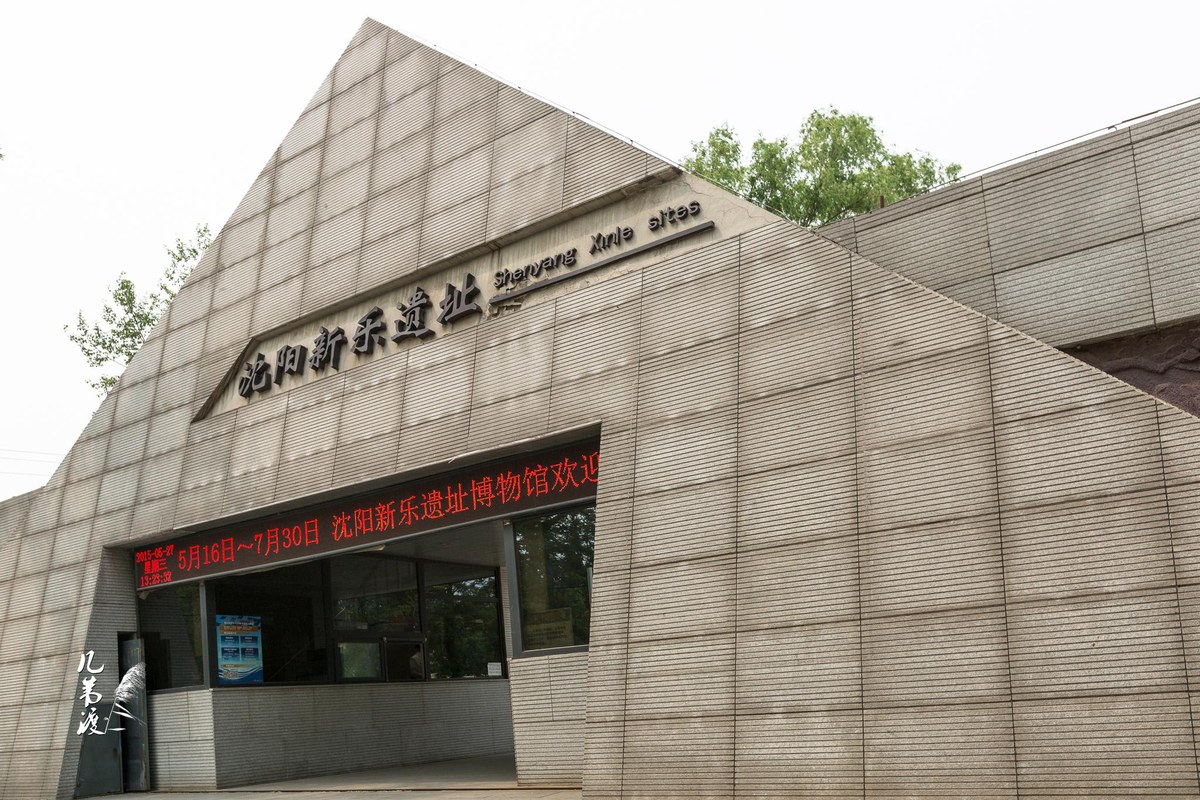
2. What to Spot: The Village and the Bird
🐦 The Wooden Bird
The best-known object from Xinle is a carved wooden bird, recovered from the waterlogged deposits where wood survives — the reason it exists at all is that the ground never dried out. It is treated as one of the oldest wooden carvings found in China, and it is the object the whole museum is built around.
- The Story: Wood almost never survives five thousand years. That it did here is a piece of archaeological luck, and it is why this small museum has a national reputation.
- What to Look For: The size. It is small enough to be held, which makes the craftsmanship more striking rather than less.
🏠 The House and the Pits
Above the excavated area the museum has rebuilt one of the houses in the original form: a shallow pit, timber posts, a thatched roof. Around it the storage pits and post holes are left visible in the ground, with the stratigraphy exposed in section.
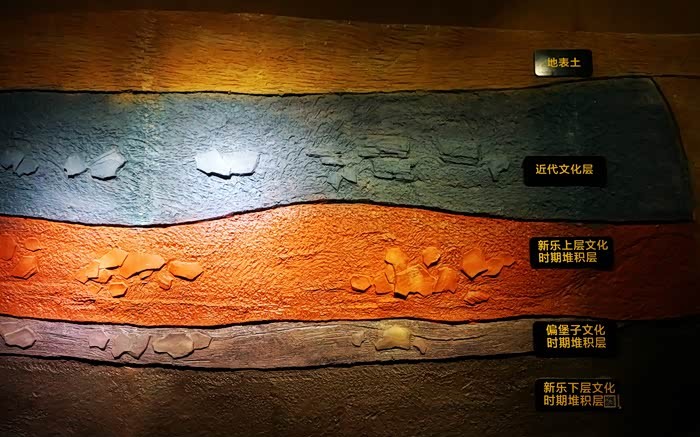
🌾 The Everyday Objects
The collection is stone tools, bone implements, pottery and carbonised grain — the toolkit of a farming and gathering village. None of it is spectacular, and all of it is the point: this is what daily life looked like on this plain before anybody wrote anything down.
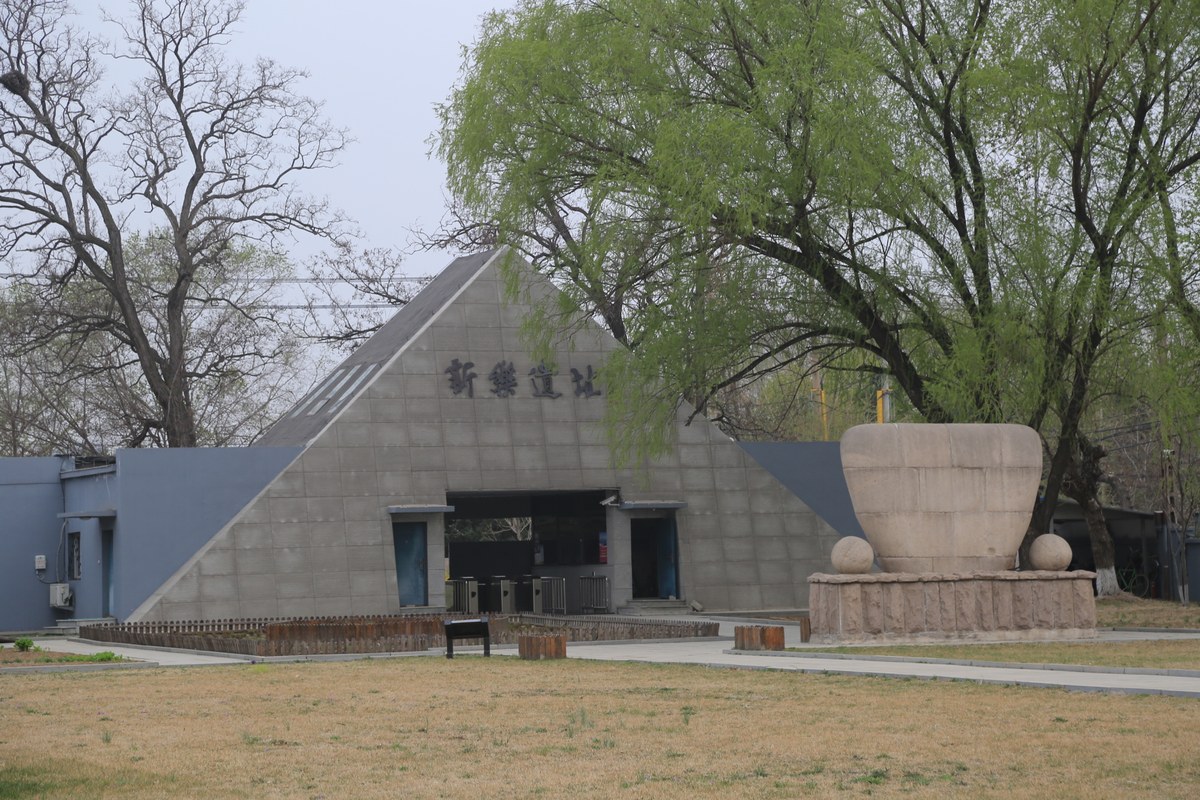
3. Cultural Contrast: Prehistory Without a Crowd
Most visitors to Shenyang do the palace, the tomb and the 9.18 museum, and stop there. This is the fourth thing, and it answers a question the others do not: who was here first, and how long ago. It is also almost empty, untranslated and uncommercialised, which makes it either the best or the worst forty minutes of your trip depending on what you came for.
- Come for the site, not the objects. The reconstructed house and the exposed layers carry the visit.
- Pair it with the North Tomb. They are about two kilometres apart, and the combination — Neolithic village then imperial tomb — is a good afternoon.
- Do not come expecting English. Labels are largely Chinese, so read up beforehand or bring a translation app.
4. Practical Essentials: Tickets, Transit & Scam Alerts
Tickets & Passport Booking
- The museum charges a small admission, but no figure is quoted here. The available sources disagree — one lists it as free or nominal, the other gives a low price band — and neither is official. Pay at the gate.
- No advance booking. Walk in with a passport.
- A weekly closing day is likely, most probably Monday, but it has not been confirmed. Check before you travel; this is a small site with limited staff.
- Opening hours are a daytime window, and the published times are not reliable enough to print.
How to Get There
- Location: Huanggu District (皇姑区), north of the city centre and about two kilometres from the North Tomb.
- Taxi: “师傅,去新乐遗址博物馆” — a short ride from the North Tomb or from the Line 2 corridor.
- By bus: routes pass along the main road nearby; check a map app, as the entrance is set back from the street.
- With the North Tomb: do this one first, while you are fresh, then walk or ride to the tomb.
Inside Tips & Scam Alerts
- The ticket is small and fixed. There is nothing to be upsold and no shop worth the name.
- Expect Chinese-only interpretation. This is the main limitation for foreign visitors.
- If prehistoric archaeology is not your interest, skip it. The forty minutes are better spent at the tomb.
- Complaints or overcharging: the 12345 hotline is free from a local phone and takes calls in English.
Quick Answers
The 6 things visitors ask before setting out, answered from the same verified record used across this page.
- How much does it cost to visit Xinle Site Museum?
- About ¥20-30.
- What are the opening hours at Xinle Site Museum?
- About 08:30-16:30; closed Mondays.
- Is Xinle Site Museum wheelchair accessible?
- Yes. Small site museum with a level paved path and a ramped entrance to the exhibition hall. The reconstructed pit houses are entered by a low step.
- How do I tell a taxi driver to take me to Xinle Site Museum?
- Copy this line into DiDi or show it to the driver: 师傅,请带我到新乐遗址博物馆(龙山路),谢谢!
- Can I leave my luggage at Xinle Site Museum?
- No lockers.
- Is there anything to watch out for at Xinle Site Museum?
- Small fixed ticket. The shop is minimal; there is nothing to be upsold on.
Where to go next
Three short lists, recomputed at build time from the same coordinates and categories as the pages themselves — no paid placement, no hand-picked names. Every card is a published guide.
Next stop in Shenyang
Straight-line distance from this spot, so you can judge what is walkable and what needs a taxi.


More like this, elsewhere in China
If museum is what you came for, these are the closest equivalents you can reach in another city — ordered by distance, one city per card.


Change the subject
Deliberately a different category, for when one more temple or garden would blur into the last one.


Lists are derived from coordinates and category alone. Fix a wrong pin or re-tag a place and every list that mentions it moves with it.
Before you go · arrival essentials
Practical guides that pair with this kind of place — picked by category, not sponsored placement.
- Pay with Alipay & WeChat PayPayment · Set up Alipay or WeChat Pay on a foreign card — needed at almost every counter.
- Get online with a China eSIMConnectivity · Maps and messaging that work without a VPN, the moment you land.
- Book China train tickets (12306)Trains · Buy high-speed rail tickets with a foreign passport, for getting here and back.