
9.18 Historical Museum
ℹ️ Free with passport. Book ahead on the museum's WeChat account.

Free entry. No ticket seller, no guide needed. Photography inside the exhibition is restricted in some galleries - obey the signs.
Taxi & Street Navigation Help
师傅,请带我到九·一八历史博物馆(望花南街),谢谢!
Opening Hours & Best Time
Tuesday-Sunday 09:00-16:30 (last entry 16:00); closed Mondays.
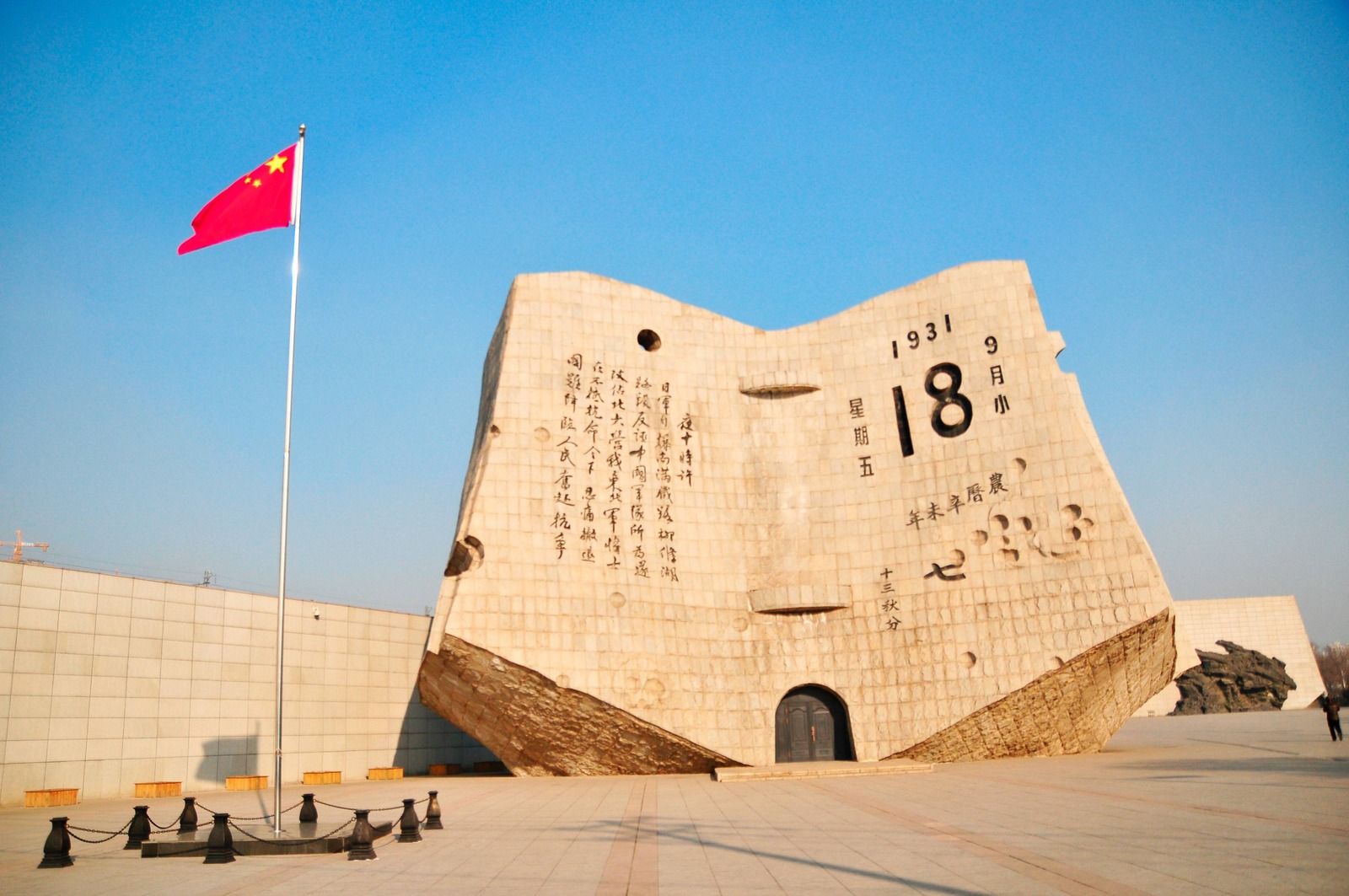
💡 Pro Tip: The building is a giant open book of concrete with a 2021 extension; the exhibition is chronological and genuinely well made, with English captions throughout. It is hard going - allow two hours and do not do it as your last stop of the day. The outdoor 残历碑 (broken calendar) monument at the entrance is dated 18 September 1931.
Accessibility & Luggage Lockers
Accessibility: ♿ Wheelchair & Stroller Friendly
Purpose-built museum with lifts, ramps and accessible toilets. The outdoor monument plaza is level.
🧳 Luggage Storage: Free lockers at the entrance.
Nearby Landmarks
The 2 places within reach of this spot — each one opens straight into Apple Maps or Amap, with the Chinese name you can show a driver.

Chinese names and pins are matched against each city's own map data at build time; a place only gets Directions once its pin has been verified, otherwise the button searches by name.
About 9.18 Historical Museum
1. Historical Origins: The Night the War Began
On the night of 18 September 1931, Japanese soldiers blew up a section of the South Manchuria Railway at Liutiao Lake, a few kilometres north of Shenyang, and blamed the Chinese garrison. Within hours the Japanese army held the city; within months it held the whole of the north-east. The date is taught in every Chinese school as the beginning of fourteen years of war, and the museum stands on the edge of the site where it happened.
That is why the building is shaped the way it is: a vast concrete slab opened like a book, beside a monument in the form of a torn calendar page fixed at 18 September. The exhibition inside runs in strict chronology — the railway, the night, the occupation, the resistance — and it is unusually well made, with English captions throughout.
2. What to Spot: The Calendar and the Chronology
📅 The Broken Calendar
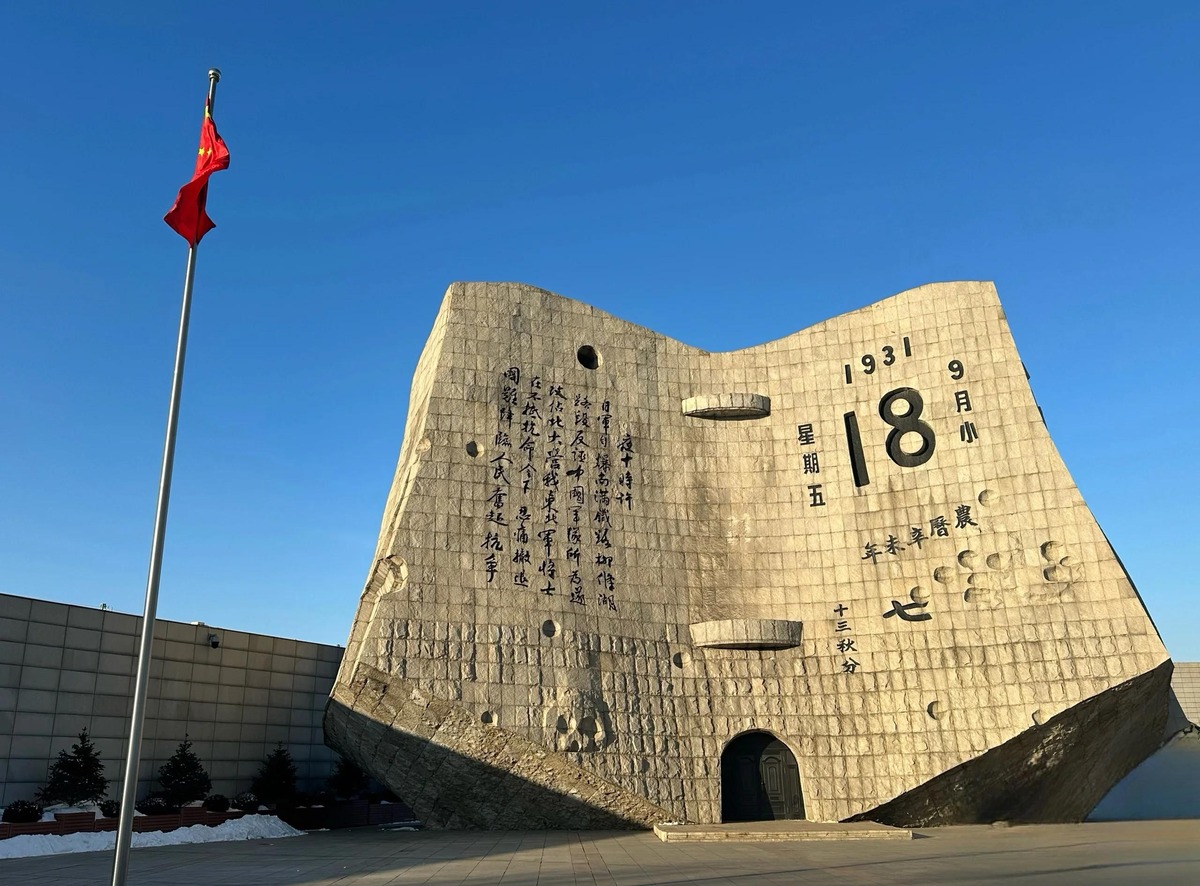
The monument at the entrance faces the railway corridor where the line ran, and it is the one image everybody carries away: a stone calendar page, torn open, the date 18 September 1931 cut into it. It is a memorial rather than a sculpture, and people leave flowers.
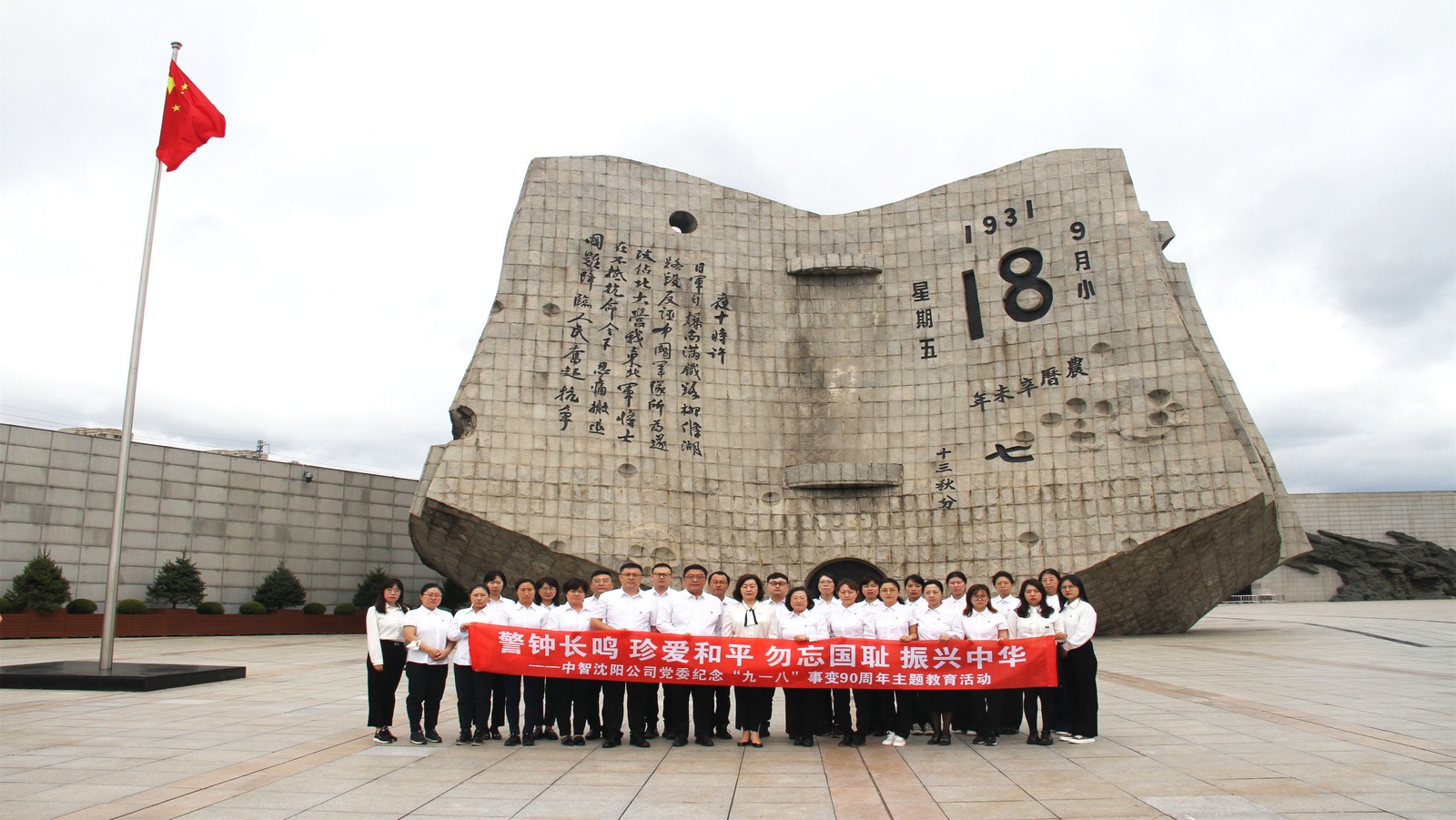
- The Story: The calendar is deliberately incomplete — a page lifted away, leaving a date that does not close.
- What to Look For: Its orientation. The slab is set to be read from the road, at speed, by people driving past rather than by visitors arriving on foot.
🕯️ The Exhibition Halls
The permanent exhibition works through the period in order, using documents, photographs, objects and a reconstructed railway scene. It is a national-level patriotic education base, which in practice means the interpretation is official and the tone is solemn; there is very little of the commercial heritage-site in it.
🔔 The Warning Bell
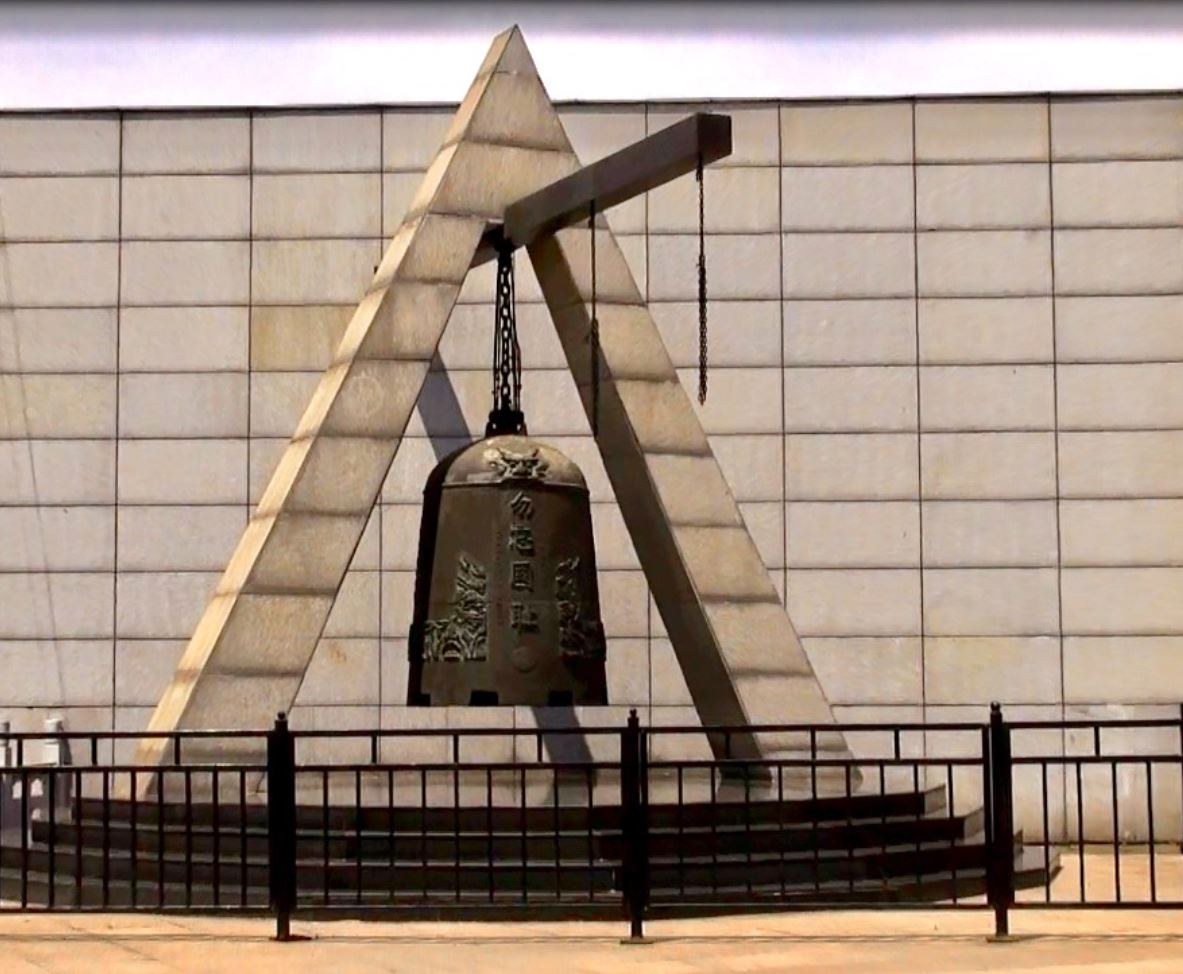
The bell on the site is rung at commemorations, most importantly on the anniversary: on 18 September the city sounds its air-raid sirens at 9.18 in the morning, and the bell here is struck at the same moment. Visiting on that date is possible but the site is crowded and the atmosphere is entirely different.
3. Cultural Contrast: A Museum With a Position
European visitors will recognise the type — a national museum of occupation and resistance, of the kind Germany, Poland and Korea all maintain — and should come prepared for it to have a point of view. It does not attempt a neutral account of 1931; it is a memorial first and a museum second. That does not make it inaccurate, and the documentary material is substantial, but it does mean the visit is an emotional one rather than an informational one.
- Two hours, and not as your last stop of the day. The material is heavy; most people need somewhere else to go afterwards.
- It pairs with the North Tomb, which is in the same northern quarter, and ends the day on a lighter note.
- Read the English captions. They are complete, which is not always the case in Chinese provincial museums.
4. Practical Essentials: Tickets, Transit & Scam Alerts
Tickets & Passport Booking
- Entry is free, and foreign visitors need their passport. Bring the physical document: it is checked at the entrance and may be required to register for a slot.
- Booking through the museum’s official WeChat account is the safe route. Walk-up admission is usually possible but quotas apply around anniversaries.
- The museum closes one day a week, normally Monday. That closure is the most reliable in the city’s museum circuit; plan around it.
- Daily hours are daytime only and the last admission is roughly an hour before closing. No specific times are quoted here, because the two sources available disagree on the exact figures — check the official account.
How to Get There
- Location: Wanghua South Street, Dadong District (大东区望花南街), about four kilometres north of the old palace.
- Taxi: “师傅,去九一八历史博物馆” — every driver knows it, and it is the easiest way out here.
- Metro: the network reaches this side of the city but the nearest station leaves a walk of some length; check the map app on the day.
- With the rest of the day: the North Tomb is in the same northern half of the city and makes a natural second stop.
Inside Tips & Scam Alerts
- There is nothing to buy and nobody to hire. Free entry, no ticket sellers, no guides waiting at the gate.
- Keep the tone down and put the selfie stick away. This is a memorial; the staff enforce it and other visitors will not be shy about saying so.
- Photography is restricted in some galleries. Follow the signs rather than the general assumption that museums allow it.
- Around 18 September the site is busy with ceremonies and there may be security and traffic controls in the area; if the date matters to you, check the year’s arrangements first.
- Complaints or overcharging: the 12345 hotline is free from a local phone and takes calls in English.
Quick Answers
The 7 things visitors ask before setting out, answered from the same verified record used across this page.
- How much does it cost to visit 9.18 Historical Museum?
- Free with passport (book ahead). Free with passport. Book ahead on the museum's WeChat account.
- What are the opening hours at 9.18 Historical Museum?
- Tuesday-Sunday 09:00-16:30 (last entry 16:00); closed Mondays.
- How long should I spend at 9.18 Historical Museum?
- About two hours.
- Is 9.18 Historical Museum wheelchair accessible?
- Yes. Purpose-built museum with lifts, ramps and accessible toilets. The outdoor monument plaza is level.
- How do I tell a taxi driver to take me to 9.18 Historical Museum?
- Copy this line into DiDi or show it to the driver: 师傅,请带我到九·一八历史博物馆(望花南街),谢谢!
- Can I leave my luggage at 9.18 Historical Museum?
- Free lockers at the entrance.
- Is there anything to watch out for at 9.18 Historical Museum?
- Free entry. No ticket seller, no guide needed. Photography inside the exhibition is restricted in some galleries - obey the signs.
Where to go next
Three short lists, recomputed at build time from the same coordinates and categories as the pages themselves — no paid placement, no hand-picked names. Every card is a published guide.
Next stop in Shenyang
Straight-line distance from this spot, so you can judge what is walkable and what needs a taxi.


More like this, elsewhere in China
If museum is what you came for, these are the closest equivalents you can reach in another city — ordered by distance, one city per card.


Change the subject
Deliberately a different category, for when one more temple or garden would blur into the last one.


Lists are derived from coordinates and category alone. Fix a wrong pin or re-tag a place and every list that mentions it moves with it.
Before you go · arrival essentials
Practical guides that pair with this kind of place — picked by category, not sponsored placement.
- Pay with Alipay & WeChat PayPayment · Set up Alipay or WeChat Pay on a foreign card — needed at almost every counter.
- Get online with a China eSIMConnectivity · Maps and messaging that work without a VPN, the moment you land.
- Book China train tickets (12306)Trains · Buy high-speed rail tickets with a foreign passport, for getting here and back.