
Memorial Hall of the Victims in Nanjing Massacre

No ticket is ever sold for this site. Anyone offering 'skip-the-line entry' is defrauding you, and touts outside the gate should be ignored entirely.
Taxi & Street Navigation Help
师傅,请带我到侵华日军南京大屠杀遇难同胞纪念馆(水西门大街),谢谢!
Opening Hours & Best Time
08:30-17:30, last entry 16:30. Closed Mondays. One entry per person per day.
💡 Pro Tip: Book the 08:30 slot and go straight to the subterranean exhibition before the coach groups arrive. Allow 2.5 hours minimum. Photography inside the exhibition halls is restricted - follow the signage rather than your instinct.
Accessibility & Luggage Lockers
Accessibility: ♿ Wheelchair & Stroller Friendly
Lift access to all exhibition levels and paved ramps throughout. The site is largely outdoors and unshaded in the memorial plaza. Not recommended for young children.
🧳 Luggage Storage: Free lockers at the entrance; large bags and tripods must be checked.
Nearby Landmarks
The 2 places within reach of this spot — each one opens straight into Apple Maps or Amap, with the Chinese name you can show a driver.
Chinese names and pins are matched against each city's own map data at build time; a place only gets Directions once its pin has been verified, otherwise the button searches by name.
About Memorial Hall of the Victims in Nanjing Massacre
1. Historical Origins: December 1937
Nanjing fell to the Japanese army on 13 December 1937. In the weeks that followed, soldiers killed prisoners of war and civilians across the city on a scale that the site commemorates with a single figure: 300,000. That number is carved, cast and repeated throughout the memorial, and it is the number the Chinese state has adopted as the death toll.
The memorial stands at Jiangdongmen, on the western edge of the city, because this was one of the mass burial sites — the remains excavated here are part of the exhibition rather than a reconstruction of it. The hall opened in 1985 and has been expanded since; 13 December has been a national day of commemoration since 2014.
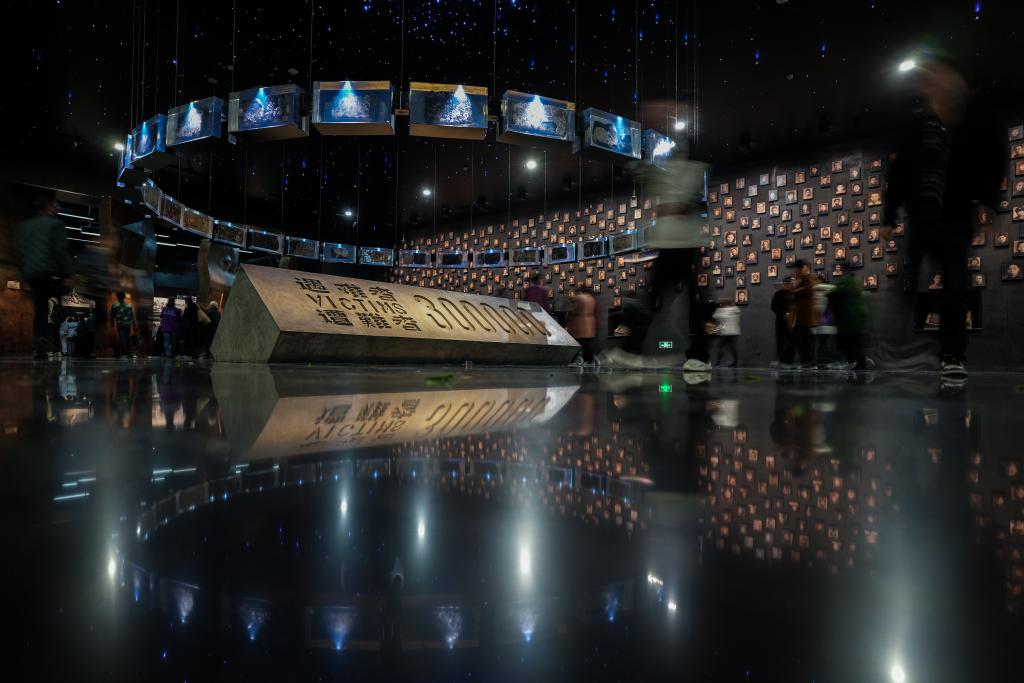
It is not a museum of objects in the usual sense. It is a memorial that uses documents, testimony and excavated remains to make an argument about what happened here, and it is built to be walked through in one direction.
2. What to Spot: The Route Through the Building
⬛ The Descent
The exhibition is underground, and the route takes you down. That is the structural argument of the place: you enter in darkness, move through evidence, and come up at the end into a peace park with daylight and open sky.
- The Story: The design was chosen so that the visitor physically experiences a descent before reaching the record. The building is doing the same work as the exhibits.
- What to Look For: The lighting. It is low throughout, and the few places where it rises are the places the design wants you to stop.
🕯️ The Evidence
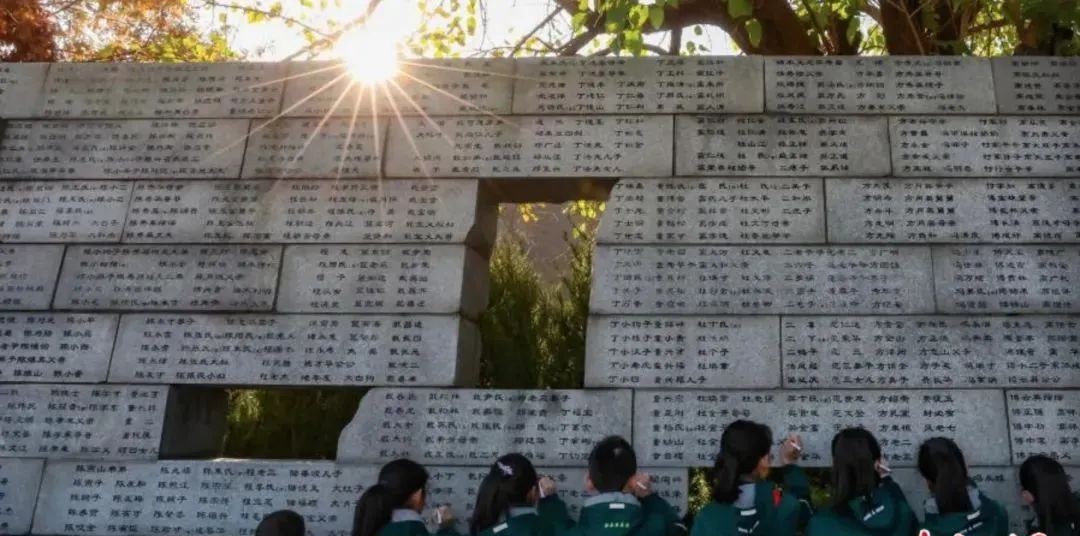
The core galleries hold documents, photographs, survivor testimony and the excavated remains at the mass burial site. The wall of names is the part most visitors remember: individual names, in rows, filling a surface far larger than expected.
🕊️ The Peace Park
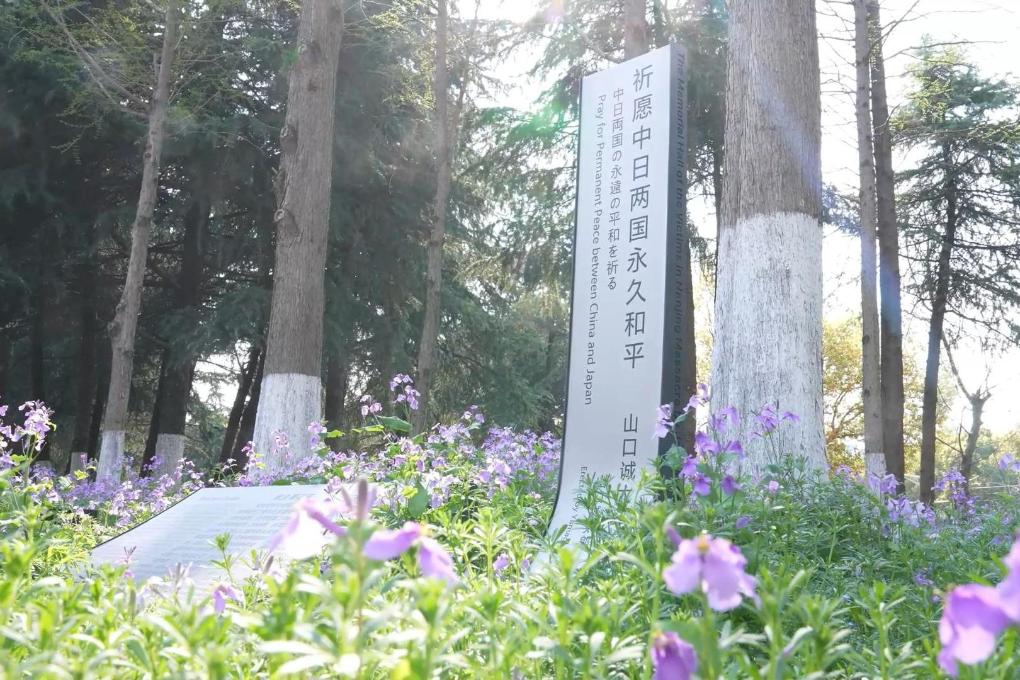
The route ends above ground, in a park with a sculpture and open sky. It exists to give visitors somewhere to stand after the galleries, and most people do stand there for a while.
3. Cultural Contrast: How a State Remembers
Foreign visitors who have been to Holocaust memorials will recognise the grammar: the descent, the names, the single number, the exit into light. What is different is the frame. This memorial is national rather than universal — it is about what happened to this city, told as a national wound — and the exhibition does not try to be neutral about the army that did it.
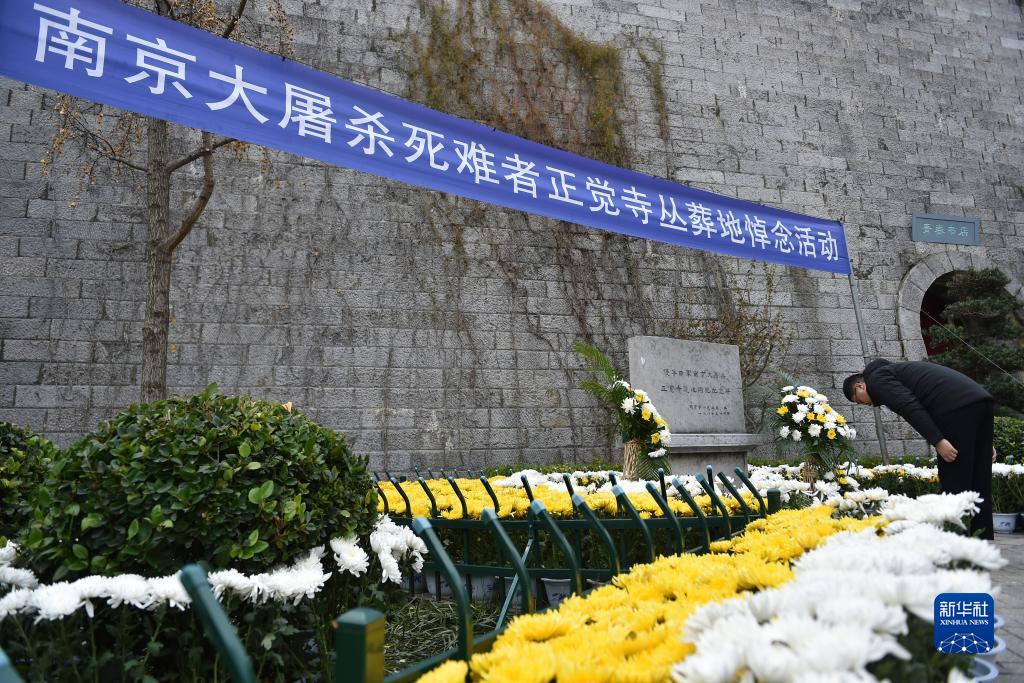
That argument extends well beyond the building: the city protects and marks seventeen such burial sites, and this hall stands on one of them.
- It is a commemorative site, not an academic one. The argument is made, not weighed.
- The tone is set by the visitors. School groups, families, and people who come alone; conversation stops at the door.
- It is not a sightseeing stop. Two and a half hours minimum, and it will take the rest of the afternoon out of you.
4. Practical Essentials: Tickets, Transit & Scam Alerts
Tickets & Passport Booking
- Entry is free, but the reservation is mandatory. Book through the memorial’s official WeChat account; the quota for a given day opens about a week ahead and is released in the morning.
- A passport works. Foreign passports and foreign permanent-resident ID cards are both accepted as booking documents.
- One booking per person per month, one entry per day. A mis-booked date cannot simply be swapped, so fix the day before you commit.
- The three halls are booked separately — the main hall, the special exhibition hall, and the branch at the former comfort station site. Booking one does not get you into the others.
- Open about 08:30 to 17:30, last entry 16:30, closed Mondays. Confirm the day’s notice before travelling.
How to Get There
- Location: 418 Shui Xi Men Street (水西门大街), Jianye District.
- Metro: Line 2 to Yunjin Road, exit 2 — the memorial is directly outside.
- Taxi: “师傅,去【大屠杀纪念馆】(水西门大街 418 号),谢谢!”
- Combining it: the Nanjing Eye and the Hexi riverside park are in the same district, if you want somewhere to walk afterwards.
Inside Tips & Scam Alerts
- No ticket is ever sold for this site. Anyone offering “skip-the-line entry” is taking your money for nothing; ignore touts at the gate entirely.
- Photography is restricted inside the galleries. Follow the signage rather than your instinct; the no-photograph zones are marked.
- Keep your voice down and do not pose. This is not a rule posted at the door; it is how the place is used.
- Wheelchairs and pushchairs are lent free against a deposit, and the route is step-free. There is paid luggage storage by the item; large bags are better left at the hotel, because the route is long.
- The shop outside is not part of the memorial. Buy nothing on the approach if you do not want the interruption.
- Complaints or overcharging: call 12345. It is free from any local phone and has English-speaking operators.
Quick Answers
The 7 things visitors ask before setting out, answered from the same verified record used across this page.
- How much does it cost to visit Memorial Hall of the Victims in Nanjing Massacre?
- Free (mandatory reservation).
- What are the opening hours at Memorial Hall of the Victims in Nanjing Massacre?
- 08:30-17:30, last entry 16:30. Closed Mondays. One entry per person per day.
- How long should I spend at Memorial Hall of the Victims in Nanjing Massacre?
- Two and a half hours minimum — it is not a quick stop.
- Is Memorial Hall of the Victims in Nanjing Massacre wheelchair accessible?
- Yes. Lift access to all exhibition levels and paved ramps throughout. The site is largely outdoors and unshaded in the memorial plaza. Not recommended for young children.
- How do I tell a taxi driver to take me to Memorial Hall of the Victims in Nanjing Massacre?
- Copy this line into DiDi or show it to the driver: 师傅,请带我到侵华日军南京大屠杀遇难同胞纪念馆(水西门大街),谢谢!
- Can I leave my luggage at Memorial Hall of the Victims in Nanjing Massacre?
- Free lockers at the entrance; large bags and tripods must be checked.
- Is there anything to watch out for at Memorial Hall of the Victims in Nanjing Massacre?
- No ticket is ever sold for this site. Anyone offering 'skip-the-line entry' is defrauding you, and touts outside the gate should be ignored entirely.
Where to go next
Three short lists, recomputed at build time from the same coordinates and categories as the pages themselves — no paid placement, no hand-picked names. Every card is a published guide.
Next stop in Nanjing
Straight-line distance from this spot, so you can judge what is walkable and what needs a taxi.


More like this, elsewhere in China
If museum is what you came for, these are the closest equivalents you can reach in another city — ordered by distance, one city per card.


Change the subject
Deliberately a different category, for when one more temple or garden would blur into the last one.


Lists are derived from coordinates and category alone. Fix a wrong pin or re-tag a place and every list that mentions it moves with it.
Before you go · arrival essentials
Practical guides that pair with this kind of place — picked by category, not sponsored placement.
- Pay with Alipay & WeChat PayPayment · Set up Alipay or WeChat Pay on a foreign card — needed at almost every counter.
- Get online with a China eSIMConnectivity · Maps and messaging that work without a VPN, the moment you land.
- Book China train tickets (12306)Trains · Buy high-speed rail tickets with a foreign passport, for getting here and back.