
Laomendong Historic Block
ℹ️ Free to walk. Individually ticketed venues inside (Degang's crosstalk theatre, small museums) sell separately.

Watch the 'handmade' souvenir stalls: factory goods with hand-written price tags. Tea and snack shops are fine; anything quoted in hundreds of yuan for a small craft is a tourist price.
Taxi & Street Navigation Help
师傅,请带我到老门东历史街区,谢谢!
Opening Hours & Best Time
Block open 24h; shops and restaurants roughly 10:00-22:00. Lanterns lit after dusk.
💡 Pro Tip: Enter from the 中华门 end rather than the main gate and walk uphill. You get the quiet half first and finish where the food is.
Accessibility & Luggage Lockers
Accessibility: ♿ Wheelchair & Stroller Friendly
Paved lanes with shallow ramps at the entrance gates. A few side alleys keep their original stone steps. Benches throughout.
🧳 Luggage Storage: No storage, but the block is compact - a wheeled case is workable on the main lane only.
Nearby Landmarks
The 2 places within reach of this spot — each one opens straight into Apple Maps or Amap, with the Chinese name you can show a driver.
Chinese names and pins are matched against each city's own map data at build time; a place only gets Directions once its pin has been verified, otherwise the button searches by name.
About Laomendong Historic Block
1. Historical Origins: The Lanes East of the Gate
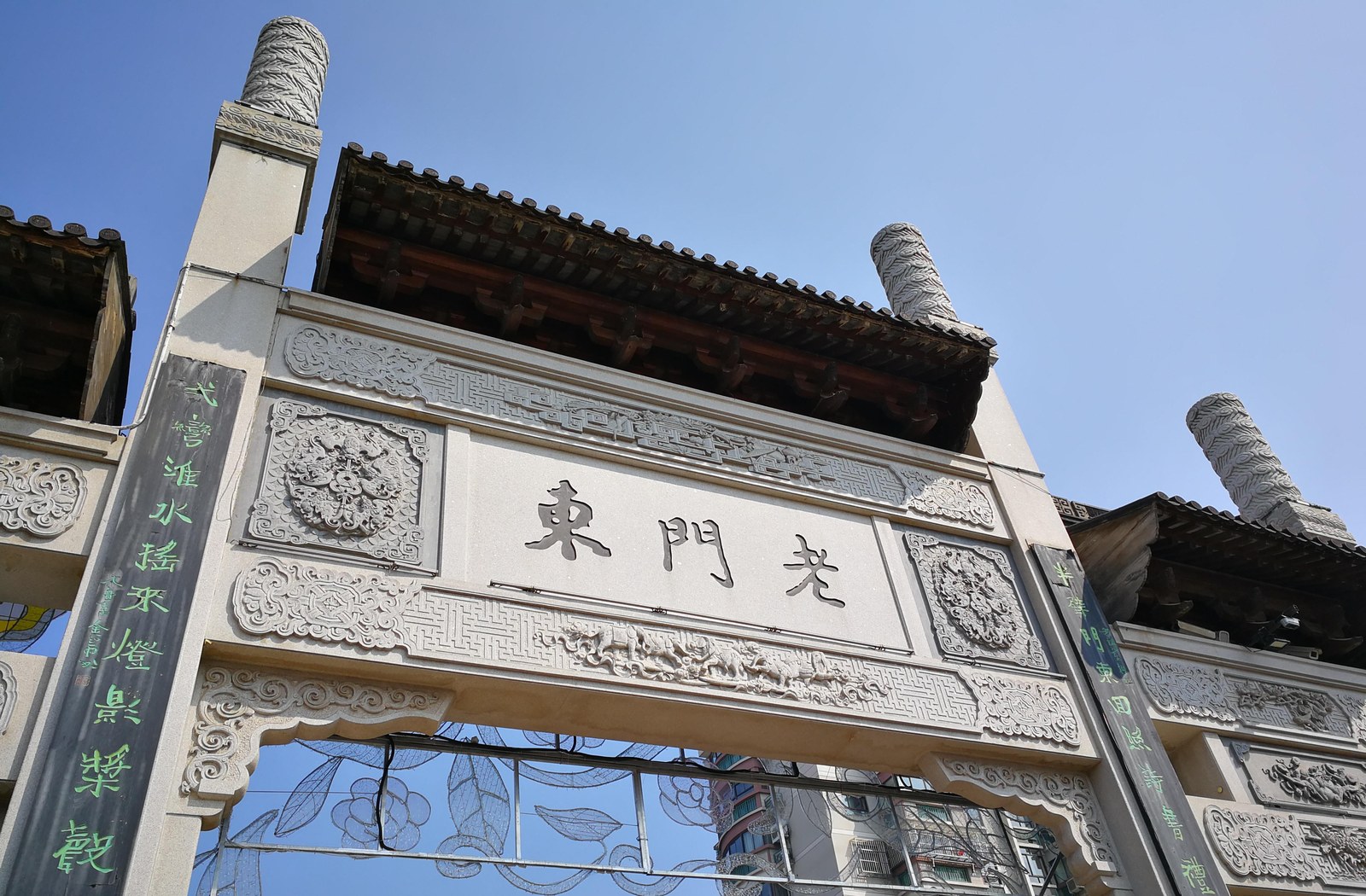
The name is a direction. Laomendong means “east of the old gate”, and the old gate is the Ming city gate of Jubao — every visitor knows it as Zhonghua Gate — the enormous barbican at the south of the wall. The quarter east of it was the dense residential south of the old city, where the lanes ran between courtyard houses and the trades that served them.
Much of that fabric was lost in the twentieth century. What stands now is a reconstruction on the original lane pattern: grey brick, small tiles, stepped gable walls, and the same street widths. The honesty of the place is that it does not pretend to be ancient — it is a new quarter built to the old grain, and it works as a piece of city.
2. What to Spot: Gables, Bookshops and a Stage
🧱 The Street Fabric
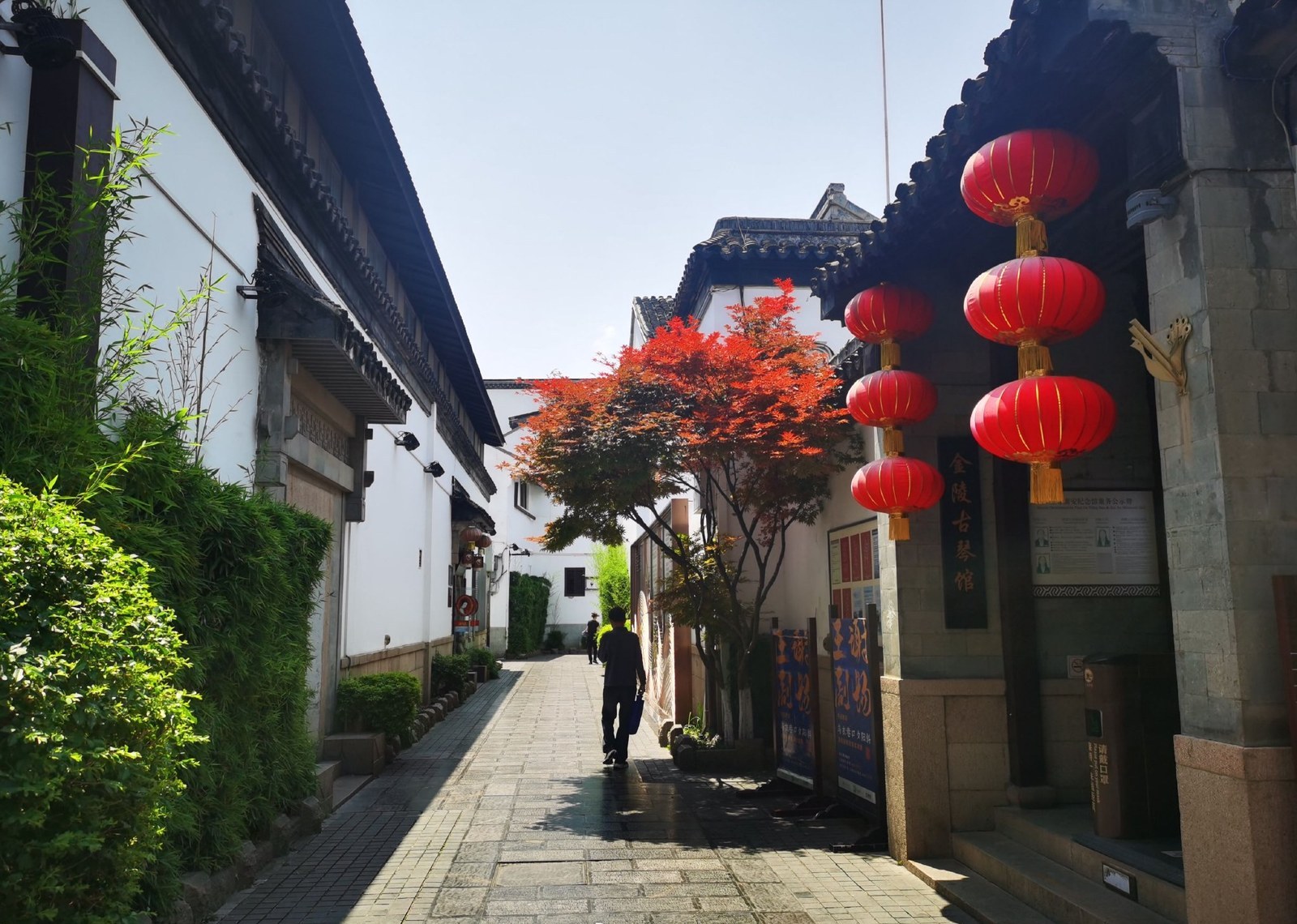
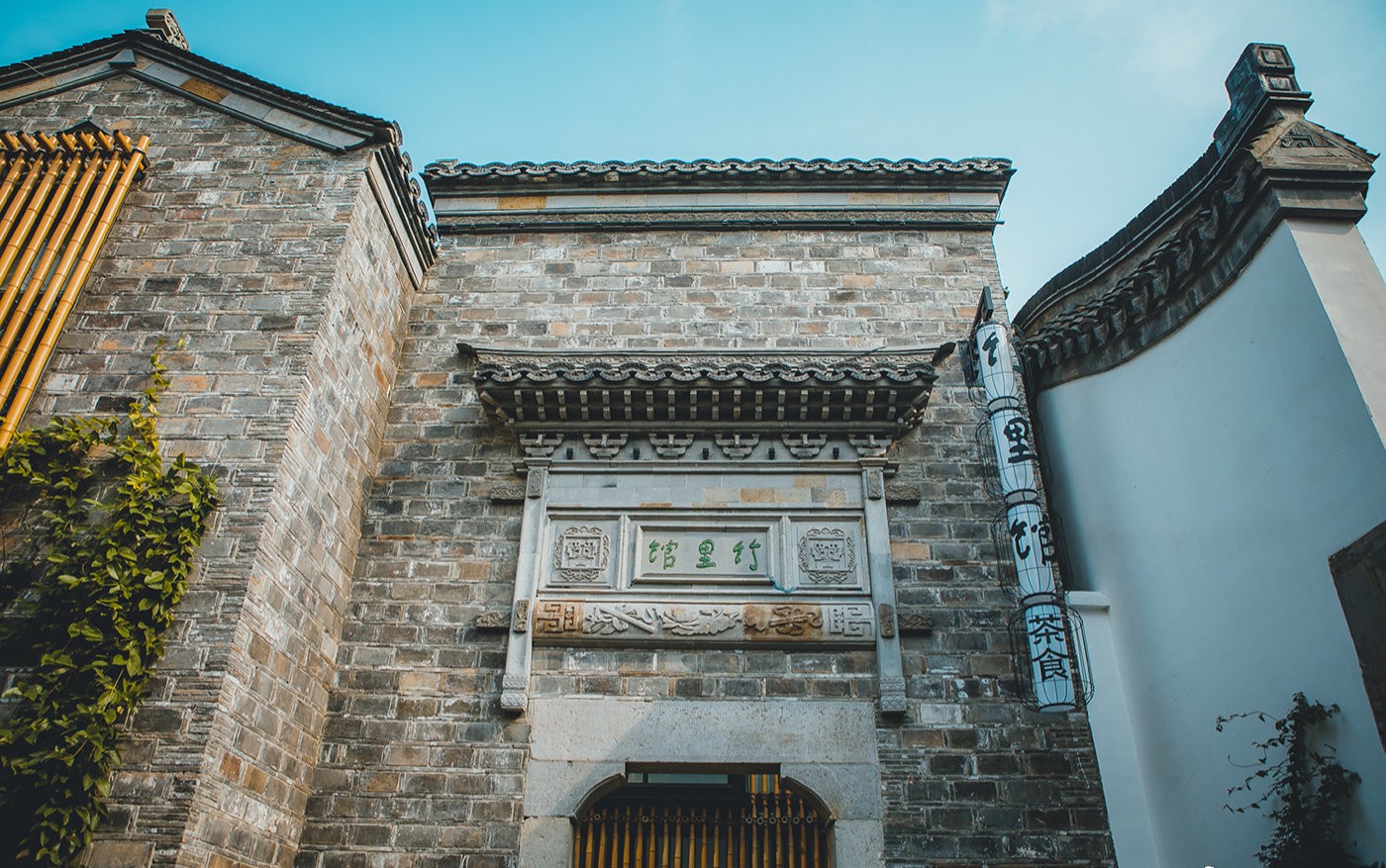
Look up rather than at the shop windows. The stepped gable — the wall that rises past the roof in stages, like a staircase — is the local signature, and it exists for a practical reason: it stops fire jumping between timber houses. Every lane here is lined with them, at slightly different pitches.
- The Story: The quarter is an exercise in rebuilding a district from photographs and surviving fragments. The proportions are right; the patina is deliberately absent.
- What to Look For: Door surrounds. Traditional Nanjing shopfronts sit behind a stone threshold with a recessed door, not flush with the pavement — the reconstruction kept that detail.
📚 The Bookshop and the Tea House
Two addresses give the quarter its character. The bookshop occupies a restored timber hall and is a place to sit rather than to shop. The tea house runs short performances of Nanjing’s local ballad form over a pot of the local green tea — it is the easiest place in the city to hear it.
🏮 After Dark
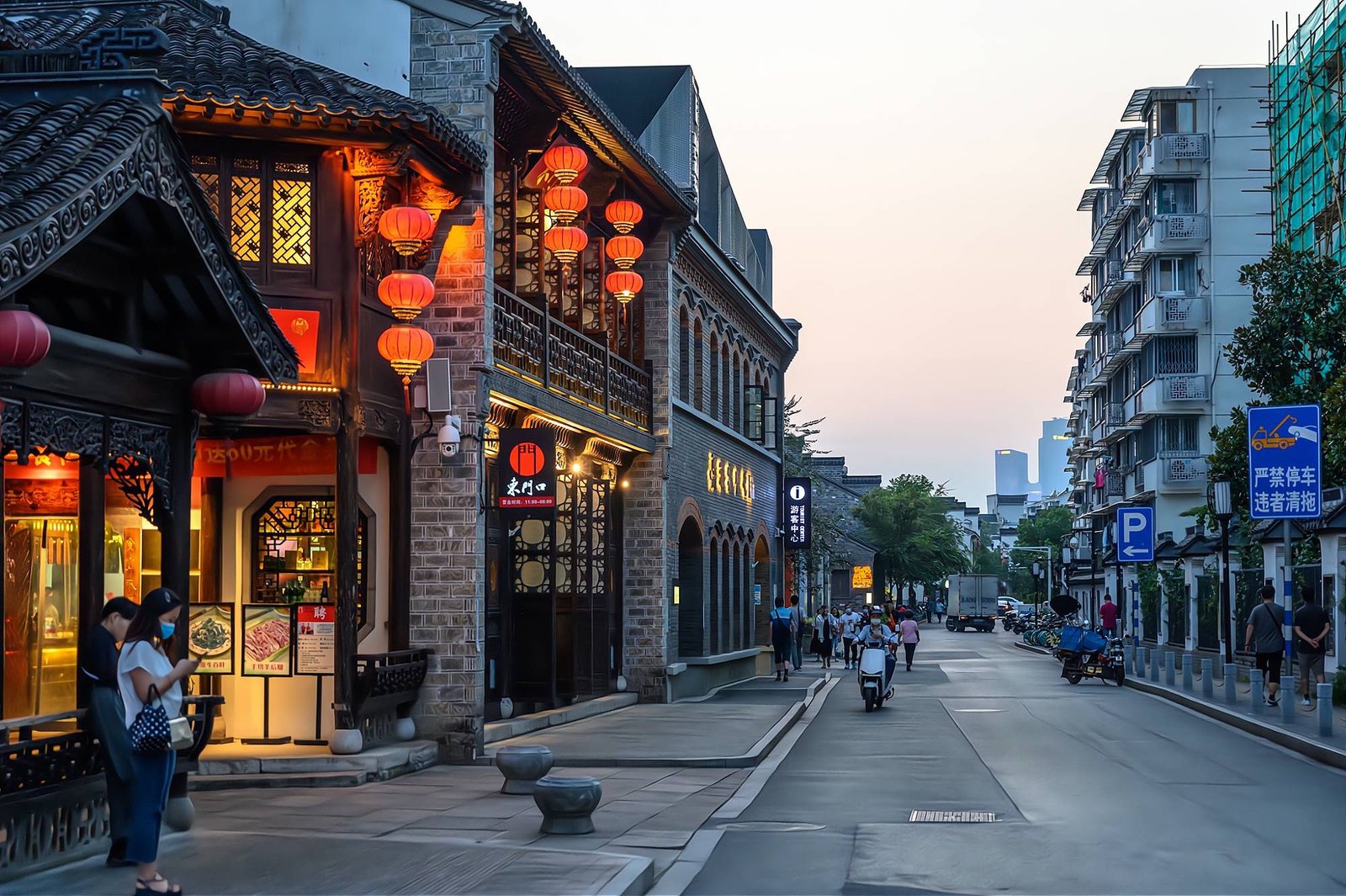
The lanterns come on at dusk and the quarter becomes what it was built to be in the evening: a food street. Snack stalls, a light show projected onto the walls, and a crowd that arrives after eight. The architecture is best before then; the atmosphere is best after.
3. Cultural Contrast: A Quiet Alternative to the Canal
Ten minutes from the Confucius Temple crowds, this is where Nanjing people go when they want the old-city atmosphere without the boat traffic. It is smaller, it is darker, the food is better value and the lanes actually empty out after ten. The trade-off is that nothing here is old in the archaeological sense — you are looking at a very good reconstruction, and you should know it.
- It is free to walk and there is no gate. Only the performances and the small venues are ticketed.
- The food is the draw. Local snacks rather than the national chain version sold on the canal.
- It pairs with the city wall. Zhonghua Gate is a few minutes away and the two together make an evening.
4. Practical Essentials: Tickets, Transit & Scam Alerts
Tickets & Passport Booking
- The block is free and open around the clock. No booking, no ID.
- Shops and restaurants keep their own hours, roughly from late morning to late evening; lanterns come on after dusk.
- The crosstalk theatre and the small venues sell separately. Their prices and performance times are set by the venue, not the block — buy at the official window or the venue’s own channel, and no figures are quoted here.
- The light show is scheduled, but the times change; check the board in the block.
How to Get There
- Location: south of Gutong Lane (箍桶巷), Qinhuai District, inside the old south city near Zhonghua Gate.
- Taxi: “师傅,去【老门东】(箍桶巷),谢谢!”
- On foot: about ten minutes from the Confucius Temple, and a few minutes from Zhonghua Gate — do the gate, then the lanes, then dinner.
Inside Tips & Scam Alerts
- “Handmade” is not always handmade. Factory goods with handwritten price tags are common; anything in the hundreds for a small craft is a tourist price.
- Buy theatre tickets officially. Scalpers resell returns at a markup and the venue will not honour them.
- Weekend nights are crowded in the narrow lanes. Keep bags in front of you.
- The main lanes are smooth flagstone and step-free; the side lanes have thresholds and steps.
- Enter from the Zhonghua Gate end and walk uphill — you get the quiet half first and finish where the food is.
- Complaints or overcharging: call 12345. It is free from any local phone and has English-speaking operators.
Quick Answers
The 6 things visitors ask before setting out, answered from the same verified record used across this page.
- How much does it cost to visit Laomendong Historic Block?
- Free to walk; venues extra. Free to walk. Individually ticketed venues inside (Degang's crosstalk theatre, small museums) sell separately.
- What are the opening hours at Laomendong Historic Block?
- Block open 24h; shops and restaurants roughly 10:00-22:00. Lanterns lit after dusk.
- Is Laomendong Historic Block wheelchair accessible?
- Yes. Paved lanes with shallow ramps at the entrance gates. A few side alleys keep their original stone steps. Benches throughout.
- How do I tell a taxi driver to take me to Laomendong Historic Block?
- Copy this line into DiDi or show it to the driver: 师傅,请带我到老门东历史街区,谢谢!
- Can I leave my luggage at Laomendong Historic Block?
- No storage, but the block is compact - a wheeled case is workable on the main lane only.
- Is there anything to watch out for at Laomendong Historic Block?
- Watch the 'handmade' souvenir stalls: factory goods with hand-written price tags. Tea and snack shops are fine; anything quoted in hundreds of yuan for a small craft is a tourist price.
Where to go next
Three short lists, recomputed at build time from the same coordinates and categories as the pages themselves — no paid placement, no hand-picked names. Every card is a published guide.
Next stop in Nanjing
Straight-line distance from this spot, so you can judge what is walkable and what needs a taxi.


More like this, elsewhere in China
If historic district is what you came for, these are the closest equivalents you can reach in another city — ordered by distance, one city per card.


Change the subject
Deliberately a different category, for when one more temple or garden would blur into the last one.


Lists are derived from coordinates and category alone. Fix a wrong pin or re-tag a place and every list that mentions it moves with it.
Before you go · arrival essentials
Practical guides that pair with this kind of place — picked by category, not sponsored placement.
- Pay with Alipay & WeChat PayPayment · Set up Alipay or WeChat Pay on a foreign card — needed at almost every counter.
- Claim your tourist tax refundTax refund · Get 11% VAT back on what you buy here, at the airport on departure.
- Book China train tickets (12306)Trains · Buy high-speed rail tickets with a foreign passport, for getting here and back.