
Shenyang Railway Steam Locomotive Museum
ℹ️ About ¥30-50. ⚠️ Confirm at the gate - opening has been intermittent.

Ticket is small and fixed. Because opening is irregular, do not pay a driver to wait without confirming the museum is open first.
Taxi & Street Navigation Help
师傅,请带我到沈阳蒸汽机车博物馆(山丹街),谢谢!
Opening Hours & Best Time
About 09:00-16:00; ⚠️ closed Mondays and sometimes closed entirely for maintenance - call ahead.
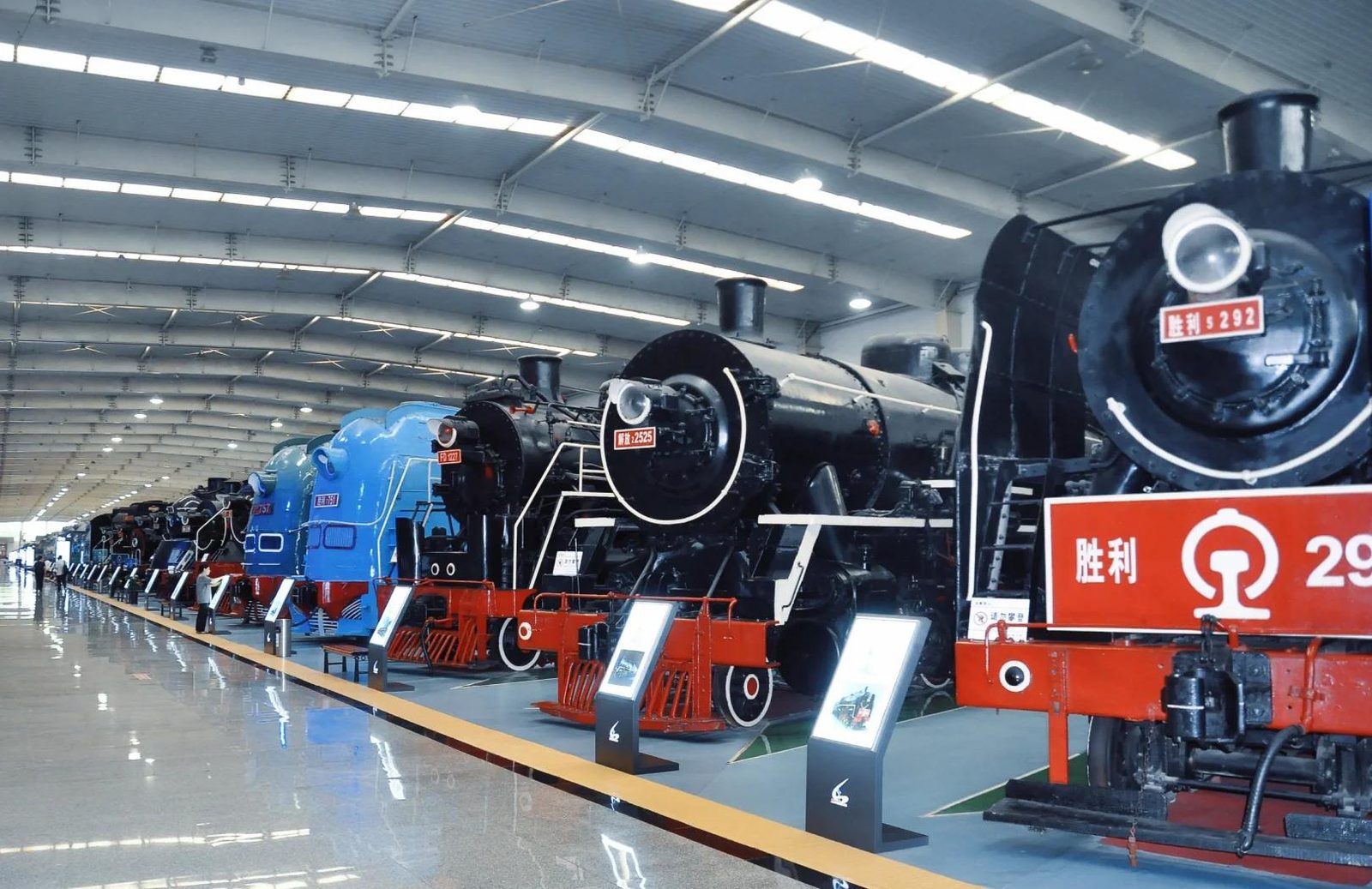
💡 Pro Tip: Twelve-odd steam locomotives under cover, including a Japanese-built SL7 and the huge 前进 (Qianjin) class built in Datong. It is a yard, not a polished museum: you can walk right up to the boilers. Photographers should come at low sun. Confirm it is open before making the trip to Sujiatun.
Accessibility & Luggage Lockers
Accessibility: ♿ Wheelchair & Stroller Friendly
An outdoor yard of locomotives on gravel and rail track - level but rough underfoot. The indoor hall is step-free.
🧳 Luggage Storage: No lockers.
Nearby Landmarks
The 2 places within reach of this spot — each one opens straight into Apple Maps or Amap, with the Chinese name you can show a driver.
Chinese names and pins are matched against each city's own map data at build time; a place only gets Directions once its pin has been verified, otherwise the button searches by name.
About Shenyang Railway Steam Locomotive Museum
1. Historical Origins: A Railway City’s Own Archive
Shenyang grew up as a railway town. The Chinese Eastern Railway and then the South Manchuria Railway made it the junction where the north-eastern network met the lines running south, and the workshops that served those lines employed tens of thousands of people. This collection is what is left of that working world: a shed full of steam locomotives, kept by the railway rather than by a museum design team.
The locomotives are the point. Some are Japanese-built engines from the colonial period, and the Qianjin heavy freight class, built at Datong from the 1960s, stands beside them — the two ends of the story, in the same shed. The exact number of engines varies with what has been moved in or out, so treat any figure as approximate.
2. What to Spot: Iron at Arm’s Length
🚂 The Locomotives
What makes this place worth the trip to the suburbs is access. There is no rope line and no glass: you walk between the engines, put a hand on the boiler lagging, read the number plates and the builder’s plates. For anyone who has only seen a steam engine behind a barrier, that is the whole experience.
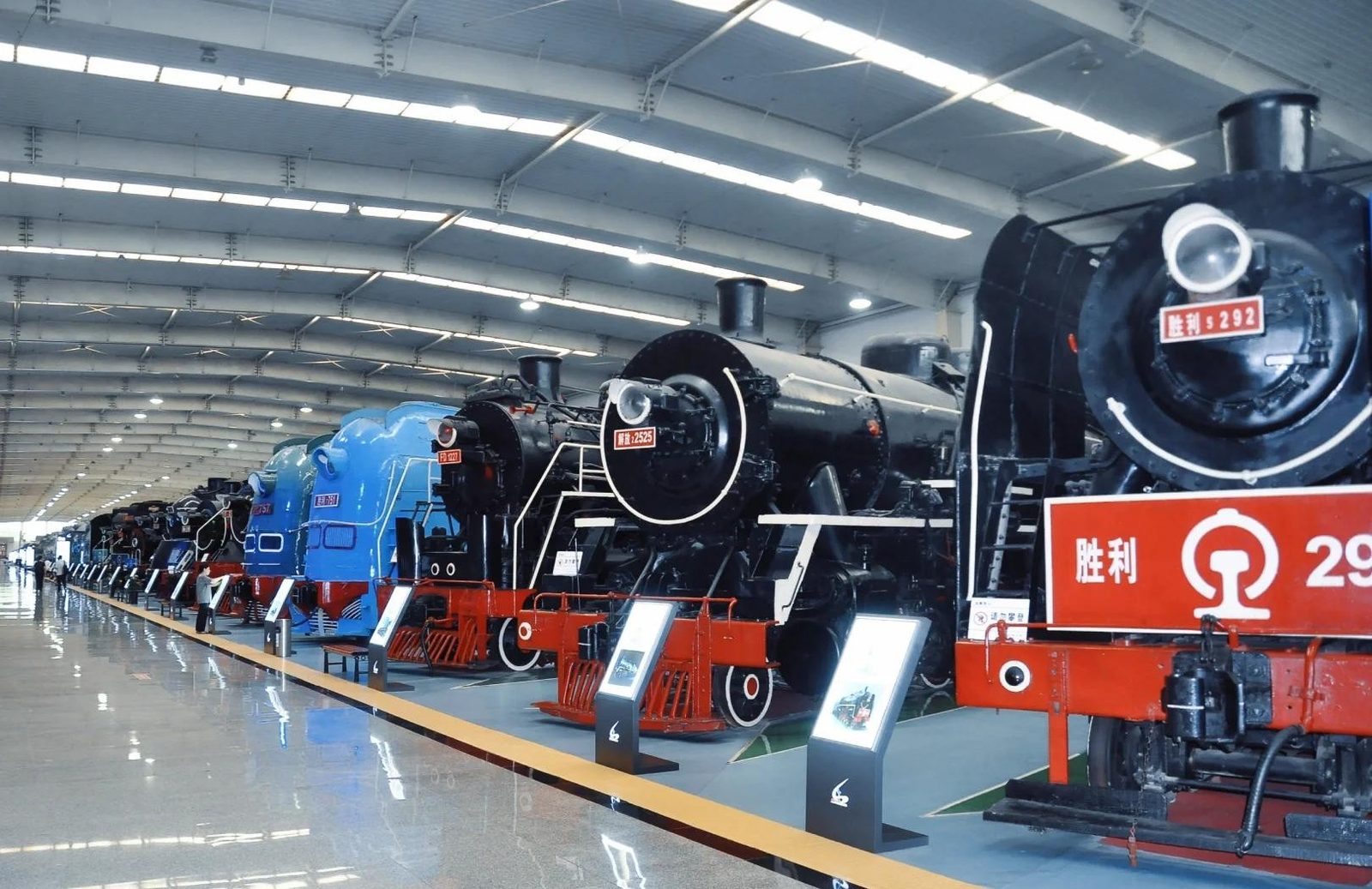
- The Story: These are working engines, retired rather than rebuilt. The dust and the oil are part of what is being preserved.
- What to Look For: The builder’s plates. They give the works and the year, and reading them turns a yard of old iron into a chronology.
📷 The Shed and the Light
The building is industrial rather than exhibition-grade: a long roof over a working shed, open enough that daylight does most of the work. Photographers come late in the day for exactly that reason — the engines silhouette against the openings, and the paint reads as texture rather than as gloss.
🔧 The Working Detail
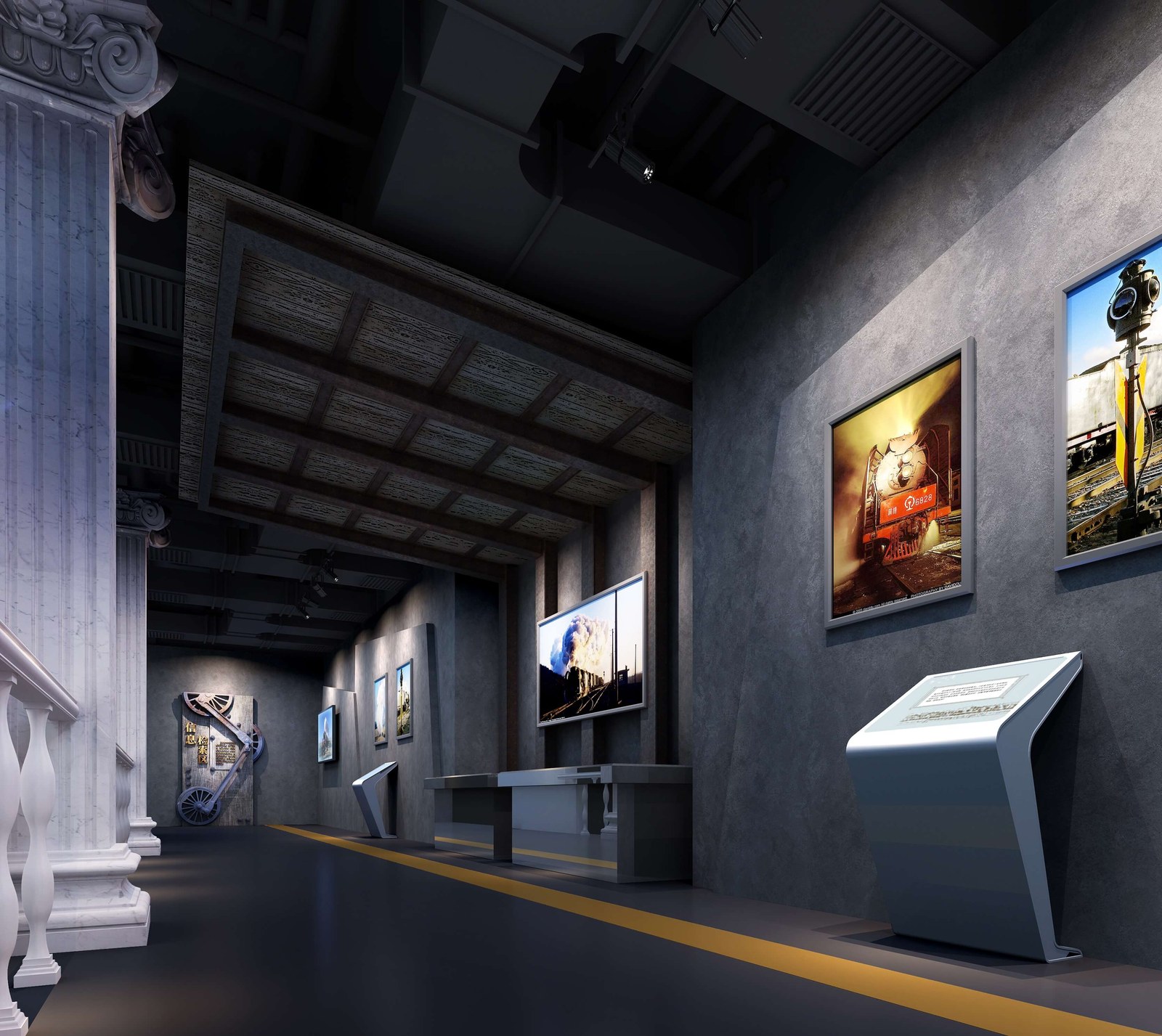
The pleasure of a place like this is the uncurated detail: lubricators, gauges, couplings, a bucket on the footplate. Nothing has been tidied into a display case, and that is the difference between this shed and the polished railway museums in the centre of bigger cities.
3. Cultural Contrast: Industrial Heritage Without a Gift Shop
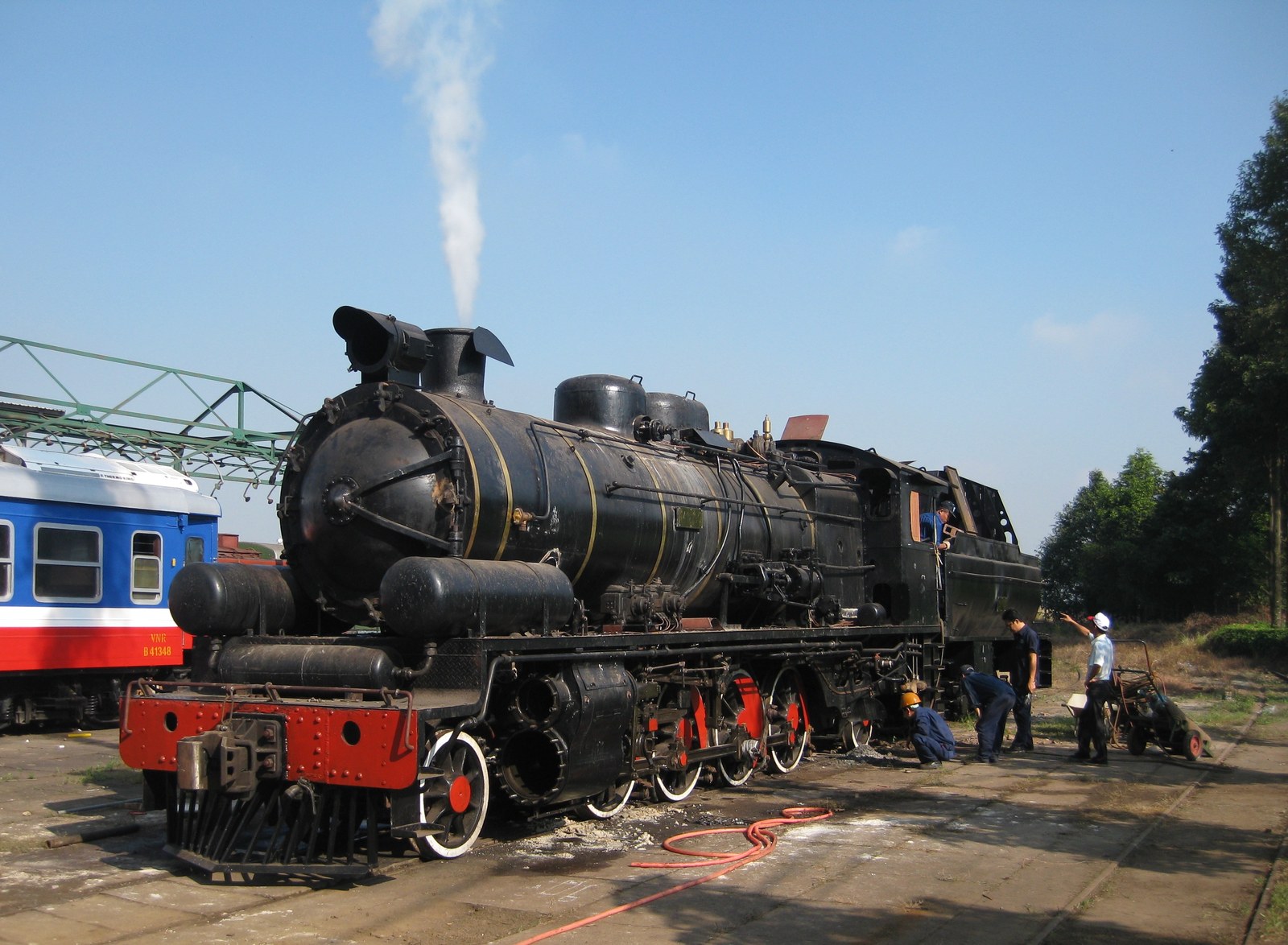
China’s industrial heritage sites tend to be either demolished or rebranded as creative parks with coffee and murals. This one has been left as a shed, which makes it rare and also means it asks something of the visitor: no interpretation, no cafe, no English labels worth the name. If you are not interested in railways, forty minutes will feel like a wasted afternoon; if you are, you will stay two hours.
- Confirm it is open before you travel. The museum’s opening has been intermittent, and it sometimes shuts entirely for maintenance.
- Do not pay a driver to wait. Confirm by phone or through a local before committing to the trip to Sujiatun.
- An hour is enough for most people, two for anyone photographing.
4. Practical Essentials: Tickets, Transit & Scam Alerts
Tickets & Passport Booking
- There is a ticket and it is cheap, but no figure is quoted here — the published prices disagree and the museum’s opening status has changed more than once, so the gate is the only reliable source.
- No advance booking. Turn up with a passport; there is no online queue.
- Opening days and hours are not reliable enough to publish. Assume a daytime window and a weekly closing day, and call before you go — this is the one sight in Shenyang where turning up unannounced genuinely may waste the trip.
How to Get There
- Location: in the Sujiatun direction (苏家屯方向), well south of the city centre.
- Taxi: “师傅,去沈阳蒸汽机车博物馆” — show the name in characters, as the site is not a landmark every driver knows.
- No metro. Bus routes exist but are slow; a taxi is the practical option.
- Check first, then go. Confirm opening before you get in the car.
Inside Tips & Scam Alerts
- There is nothing to be upsold. The ticket is small and fixed, and there is no shop worth the name.
- The site is gravel and uneven. Wear closed shoes; it is not a wheelchair or pram venue.
- Ask before climbing on anything. Some engines can be approached closely but not boarded.
- Complaints or overcharging: the 12345 hotline is free from a local phone and takes calls in English.
Quick Answers
The 6 things visitors ask before setting out, answered from the same verified record used across this page.
- How much does it cost to visit Shenyang Railway Steam Locomotive Museum?
- About ¥30-50. About ¥30-50. ⚠️ Confirm at the gate - opening has been intermittent.
- What are the opening hours at Shenyang Railway Steam Locomotive Museum?
- About 09:00-16:00; ⚠️ closed Mondays and sometimes closed entirely for maintenance - call ahead.
- Is Shenyang Railway Steam Locomotive Museum wheelchair accessible?
- Yes. An outdoor yard of locomotives on gravel and rail track - level but rough underfoot. The indoor hall is step-free.
- How do I tell a taxi driver to take me to Shenyang Railway Steam Locomotive Museum?
- Copy this line into DiDi or show it to the driver: 师傅,请带我到沈阳蒸汽机车博物馆(山丹街),谢谢!
- Can I leave my luggage at Shenyang Railway Steam Locomotive Museum?
- No lockers.
- Is there anything to watch out for at Shenyang Railway Steam Locomotive Museum?
- Ticket is small and fixed. Because opening is irregular, do not pay a driver to wait without confirming the museum is open first.
Where to go next
Three short lists, recomputed at build time from the same coordinates and categories as the pages themselves — no paid placement, no hand-picked names. Every card is a published guide.
Next stop in Shenyang
Straight-line distance from this spot, so you can judge what is walkable and what needs a taxi.


More like this, elsewhere in China
If museum is what you came for, these are the closest equivalents you can reach in another city — ordered by distance, one city per card.


Change the subject
Deliberately a different category, for when one more temple or garden would blur into the last one.


Lists are derived from coordinates and category alone. Fix a wrong pin or re-tag a place and every list that mentions it moves with it.
Before you go · arrival essentials
Practical guides that pair with this kind of place — picked by category, not sponsored placement.
- Pay with Alipay & WeChat PayPayment · Set up Alipay or WeChat Pay on a foreign card — needed at almost every counter.
- Get online with a China eSIMConnectivity · Maps and messaging that work without a VPN, the moment you land.
- Book China train tickets (12306)Trains · Buy high-speed rail tickets with a foreign passport, for getting here and back.