
Lüshunkou (Port Arthur)
ℹ️ Site-by-site: 203高地 about ¥40, 东鸡冠山堡垒 about ¥30, 日俄监狱旧址 free with passport. ⚠️ Confirm.

⚠️ **This matters**: Lüshun is an active naval base area, and parts of the district are restricted for foreign passport holders. Check with your hotel or a licensed agency before you go, carry your passport, and do not photograph anything military - cameras are confiscated and the fine is real. Do not take an unlicensed 'battlefield tour'.
Taxi & Street Navigation Help
师傅,请带我到旅顺口(203高地),谢谢!
Opening Hours & Best Time
About 08:00-17:00; the prison museum closed Mondays.
💡 Pro Tip: Lüshun is where the 20th century in East Asia turned: the Russians built it as Port Arthur in 1898, the Japanese took it in 1904-05 in a siege that killed 60,000, and the 1905 treaty handed it over. **203高地** is the hill that decided the siege - the trench lines are still cut into the ground. **东鸡冠山北堡垒** is a concrete fort the Japanese stormed. **旅顺日俄监狱旧址博物馆** is the hardest thing in the city and should not be skipped.
Accessibility & Luggage Lockers
Accessibility: ⚠️ Step thresholds, limited access
The forts are on hills reached by rough stone steps and earth paths - not accessible. The prison museum is level with ramps. The taxi from central Dalian takes about 50 minutes.
🧳 Luggage Storage: No storage; leave bags at the hotel.
Nearby Landmarks & A Short Train Ride
The 4 places worth pairing with this spot — each one opens straight into Apple Maps or Amap, with the Chinese name you can show a driver. One pick sits in Shenyang (HSR ~1 h 32 min) — a short high-speed ride, not a walk. Dalian's own list came out one short of a pair, and this is the nearest pick that fills it.
Chinese names and pins are matched against each city's own map data at build time; a place only gets Directions once its pin has been verified, otherwise the button searches by name. Cards with an amber city tag are in another city — the ride time shown is the fastest train of the day.
About Lüshunkou (Port Arthur)
1. Historical Origins: The Harbour That Two Empires Wanted
Lüshun is a natural harbour at the tip of the Liaodong peninsula, ice-free in winter and deep enough for warships, and that single fact explains almost everything that happened here. Russia took a lease on the peninsula in 1898 and built the town as Port Arthur, a naval base and a terminus for the railway they were pushing south through Manchuria.
In 1894, before the Russians arrived, the Japanese army took the town during the first Sino-Japanese war and killed a large part of its civilian population, an episode commemorated at the Wan Zhong Mu cemetery outside the town. Ten years later the two empires fought a war over the same harbour: the siege of Port Arthur in 1904–05 cost tens of thousands of lives on both sides, and it was decided on a hill — the 203 Metre Hill — where the trench lines are still cut into the ground. The peace treaty that followed handed the lease to Japan.
What is left is a small town with two layers of colonial architecture, a set of battlefield sites within a few kilometres of each other, and a museum founded in 1917 whose European building and large collection make it one of the best regional museums in the north-east. None of it is comfortable history, and that is the point of going.
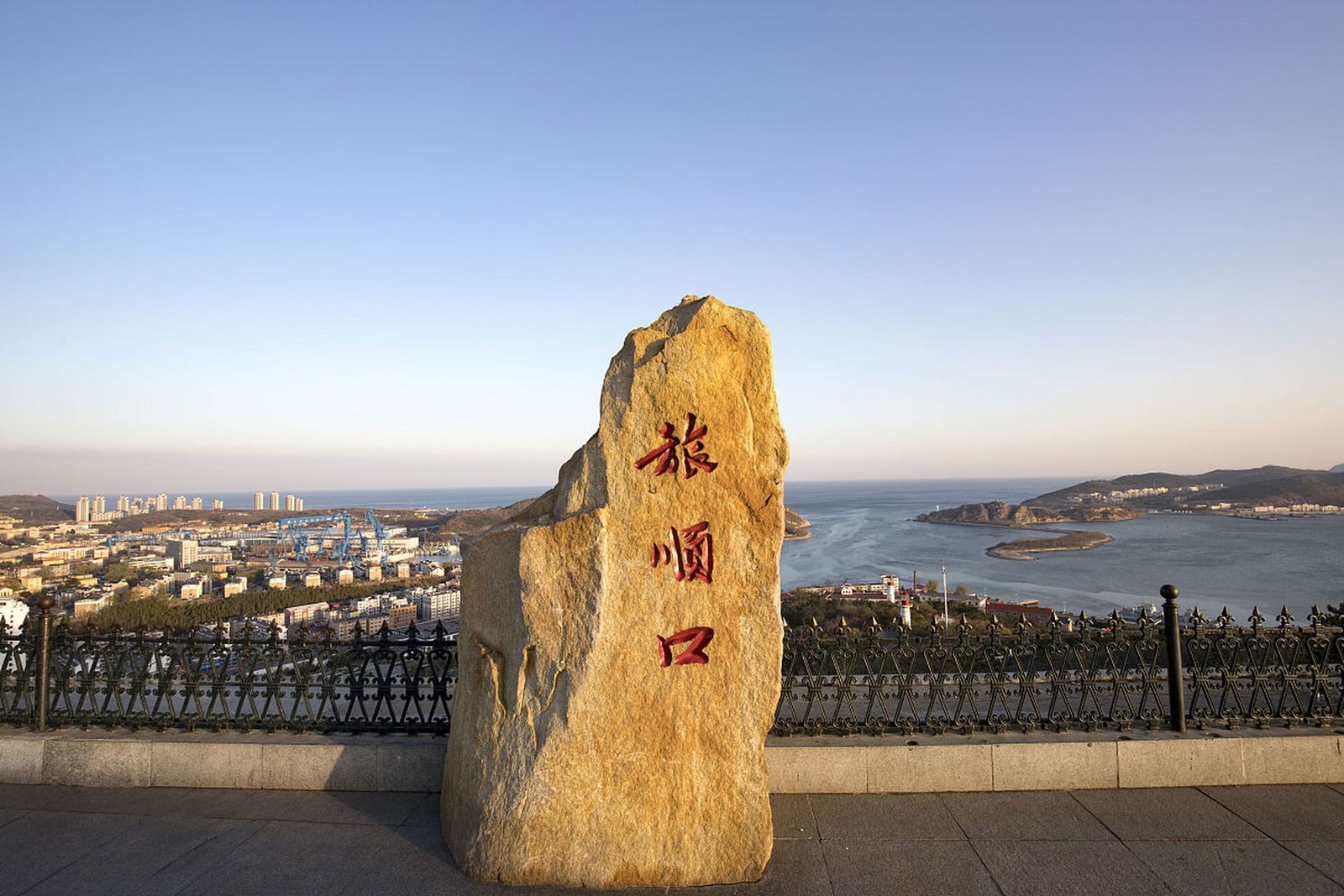
2. What to Spot: Hill 203, the Forts, the Prison
⛰️ Hill 203
- The Story: The height that decided the siege. Taken at enormous cost after months of assaults, it allowed the Japanese artillery to fire down into the harbour and the Russian fleet inside it. The ground still carries the trenches and the cratering.
- What to Look For: The trench lines cut into the slope, and the way the hill commands the water. Standing on it makes the campaign legible in a way no panel does.
🏰 The Dongjiguan Fort
- The Story: A concrete and masonry fort on the northern defence line, stormed in the same campaign. The walls, the gun positions and the damaged parapets are largely as they were left.
- What to Look For: The damage. This is not a restored monument; the breaches in the concrete are what artillery did to it.
🏛️ The Lüshun Museum
- The Story: Founded in 1917 in a European-style building, with a collection running from Bronze Age material to the colonial period.
- What to Look For: The building itself, which belongs to the Russian layer of the town and is worth the visit on its own.
⛓️ The Prison Museum
- The Story: The former Russian and Japanese prison, later used by the Japanese colonial administration, now a museum. It is the hardest thing in the town and the reason many people come.
- What to Look For: The cells and the corridors, kept close to their original condition. There is nothing theatrical about the presentation, which is what makes it effective.
3. Cultural Contrast: A Battlefield That Is Still a Base
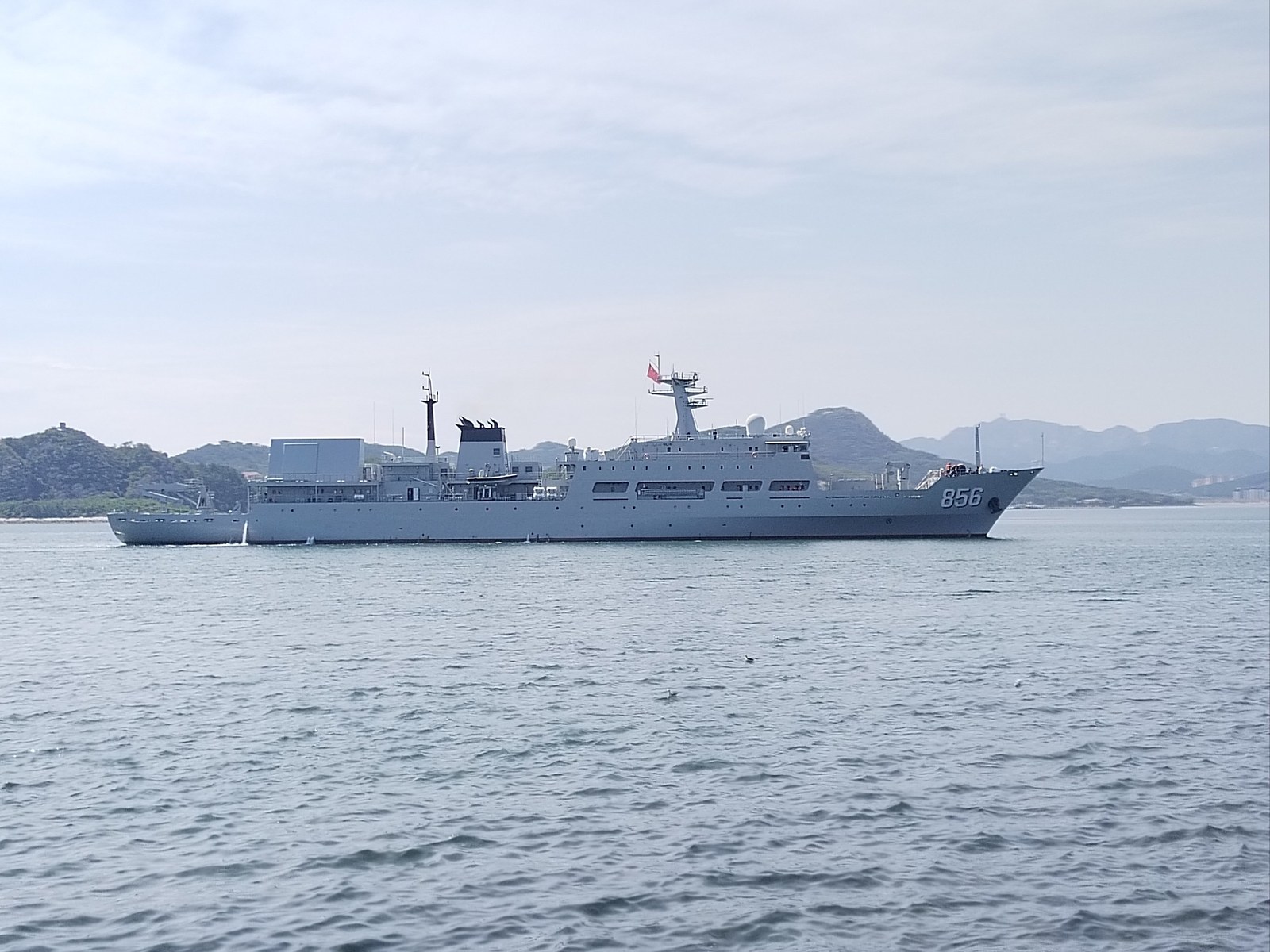
Most historic sites in China are managed as heritage. Lüshun is managed as a naval base that happens to contain heritage, and the difference is not cosmetic: parts of the district are restricted, foreign passport holders may be turned back, and photography near the port is a genuine risk rather than a rule on a sign.
That makes it the one attraction in Dalian where you must do your research before travelling rather than after. The sites themselves — the hill, the forts, the prison — are open and ordinary; the constraint is the surrounding district, which is active military ground. Visitors who turn up assuming it works like any other scenic area risk losing a whole day at a checkpoint.
The historical contrast is what stays with you. Within a few kilometres there is an 1894 massacre site, a 1904 siege battlefield, a colonial prison and a museum built by the occupying power — four different ways of remembering the same forty years. Very few places in the world compress that much into one afternoon.
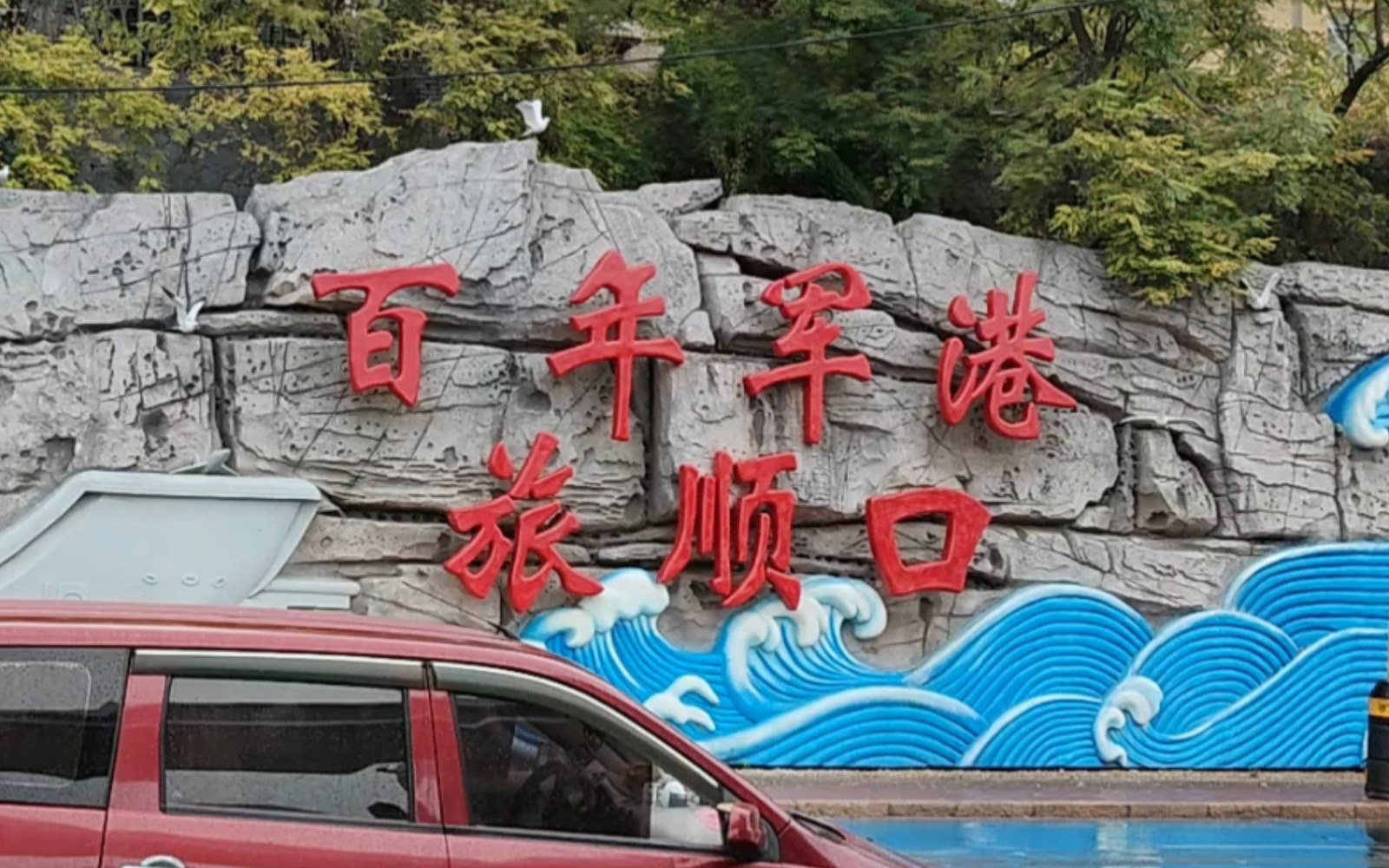
4. Practical Essentials: Tickets, Transit & Scam Alerts
🎫 Port Arthur Historic Site Tickets & Entry
- Price: Ticketed site by site, with separate small admissions for the hill, the forts and the museums, and at least one of them free on production of a passport. Rates and arrangements change, so confirm at each gate.
- Opening Hours: Daytime, with last entry in the afternoon. At least one of the museums closes on Mondays, so do not build a Monday around it.
- ⚠️ Access for foreign passport holders: Lüshun is an active naval base area and is not fully open to foreign visitors. Confirm the current rules before you travel — through your hotel, a licensed agency, the 12367 immigration service hotline, or the local police. Carry your passport at all times.
How to Get There
- From Dalian: It is at the western tip of the peninsula, a substantial drive from the city centre. Allow most of a day for the round trip and the sites.
- Show Your Driver: 师傅,去旅顺(白玉山 / 旅顺博物馆),谢谢!
Inside Tips & Scam Alerts
- Do not photograph anything military. Cameras and phones are confiscated, the fine is real, and the sensitive area is not always obvious from where you are standing.
- Do not join an unlicensed “battlefield tour”. The sites are individually ticketed and easy enough to visit on your own.
- If access is refused, have a fallback. The city-centre colonial architecture — Zhongshan Square, the old bank buildings, the Russian Street area — covers a related history without the checkpoint.
- These are graves and battlefields. Keep your voice down at the cemetery, and do not pose for photographs on the fortifications.
- Complaints or overcharging: the 12345 hotline is free from any local phone and has English-speaking operators.
Quick Answers
The 6 things visitors ask before setting out, answered from the same verified record used across this page.
- How much does it cost to visit Lüshunkou (Port Arthur)?
- Per site ¥30-40; prison free. Site-by-site: 203高地 about ¥40, 东鸡冠山堡垒 about ¥30, 日俄监狱旧址 free with passport. ⚠️ Confirm.
- What are the opening hours at Lüshunkou (Port Arthur)?
- About 08:00-17:00; the prison museum closed Mondays.
- Is Lüshunkou (Port Arthur) wheelchair accessible?
- Not fully. The forts are on hills reached by rough stone steps and earth paths - not accessible. The prison museum is level with ramps. The taxi from central Dalian takes about 50 minutes.
- How do I tell a taxi driver to take me to Lüshunkou (Port Arthur)?
- Copy this line into DiDi or show it to the driver: 师傅,请带我到旅顺口(203高地),谢谢!
- Can I leave my luggage at Lüshunkou (Port Arthur)?
- No storage; leave bags at the hotel.
- Is there anything to watch out for at Lüshunkou (Port Arthur)?
- ⚠️ **This matters**: Lüshun is an active naval base area, and parts of the district are restricted for foreign passport holders. Check with your hotel or a licensed agency before you go, carry your passport, and do not photograph anything military - cameras are confiscated and the fine is real. Do not take an unlicensed 'battlefield tour'.
Where to go next
Three short lists, recomputed at build time from the same coordinates and categories as the pages themselves — no paid placement, no hand-picked names. Every card is a published guide.
Next stop in Dalian
Straight-line distance from this spot, so you can judge what is walkable and what needs a taxi.


More like this, elsewhere in China
If historic district is what you came for, these are the closest equivalents you can reach in another city — ordered by distance, one city per card.


Change the subject
Deliberately a different category, for when one more temple or garden would blur into the last one.


Lists are derived from coordinates and category alone. Fix a wrong pin or re-tag a place and every list that mentions it moves with it.
Before you go · arrival essentials
Practical guides that pair with this kind of place — picked by category, not sponsored placement.
- Pay with Alipay & WeChat PayPayment · Set up Alipay or WeChat Pay on a foreign card — needed at almost every counter.
- Claim your tourist tax refundTax refund · Get 11% VAT back on what you buy here, at the airport on departure.
- Book China train tickets (12306)Trains · Buy high-speed rail tickets with a foreign passport, for getting here and back.