
Shibati (The Eighteen Stairs)

Taxi & Street Navigation Help
师傅,请带我到十八梯传统风貌区(较场口方向)。谢谢!
Opening Hours & Best Time
24/7 (shops 10:00 - 22:00)
💡 Pro Tip: The rebuilt main stair is the photo; the authentic experience is the side lanes at the bottom (near the old French consulate site) where actual residents still outlast the renovation.
Accessibility & Luggage Lockers
Accessibility: ♿ Wheelchair & Stroller Friendly
The main renovated stair has landings and side ramps; the original side lanes are stepped only.
🧳 Luggage Storage: Cafe bag-holds inside the renovated zone.
Nearby Landmarks & A Short Train Ride
The 4 places worth pairing with this spot — each one opens straight into Apple Maps or Amap, with the Chinese name you can show a driver. One pick sits in Chengdu (HSR ~1 h 2 min) — a short high-speed ride, not a walk. Chongqing's own list came out one short of a pair, and this is the nearest pick that fills it.
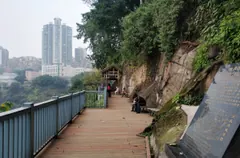
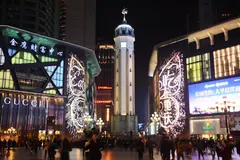

Chinese names and pins are matched against each city's own map data at build time; a place only gets Directions once its pin has been verified, otherwise the button searches by name. Cards with an amber city tag are in another city — the ride time shown is the fastest train of the day.
About Shibati (The Eighteen Stairs)
1. Historical Origins: The Staircase Between Two Cities
Old Chongqing had an upper town and a lower town, and they were not a metaphor. The upper town was the ridge: walls, offices, commerce, the part that stayed dry. The lower town was the riverbank: wharves, warehouses, workshops, the part that flooded. Between them ran stair streets, and Shibati was the busiest of them — eighteen flights, so the name says, connecting the two halves of the same city.
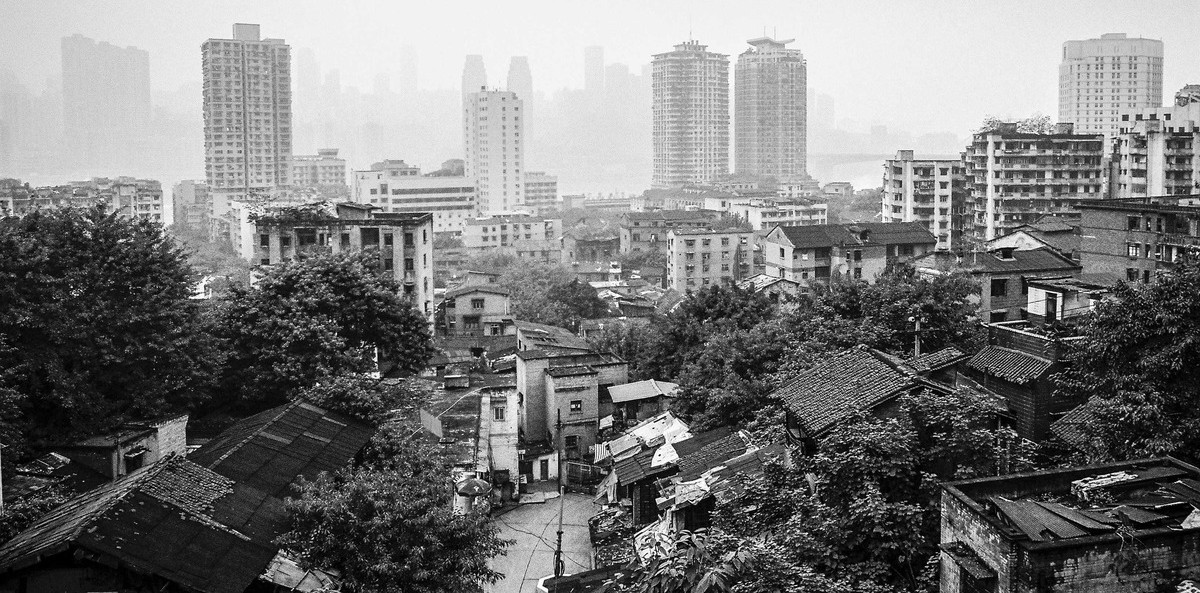
What stood along the stair was ordinary: tenements, teahouses, barbers, porters’ lodging, a whole economy that existed because people had to walk up and down every day. It was demolished in the redevelopment waves of the 2000s, and the neighbourhood that had grown up on those steps was dispersed.
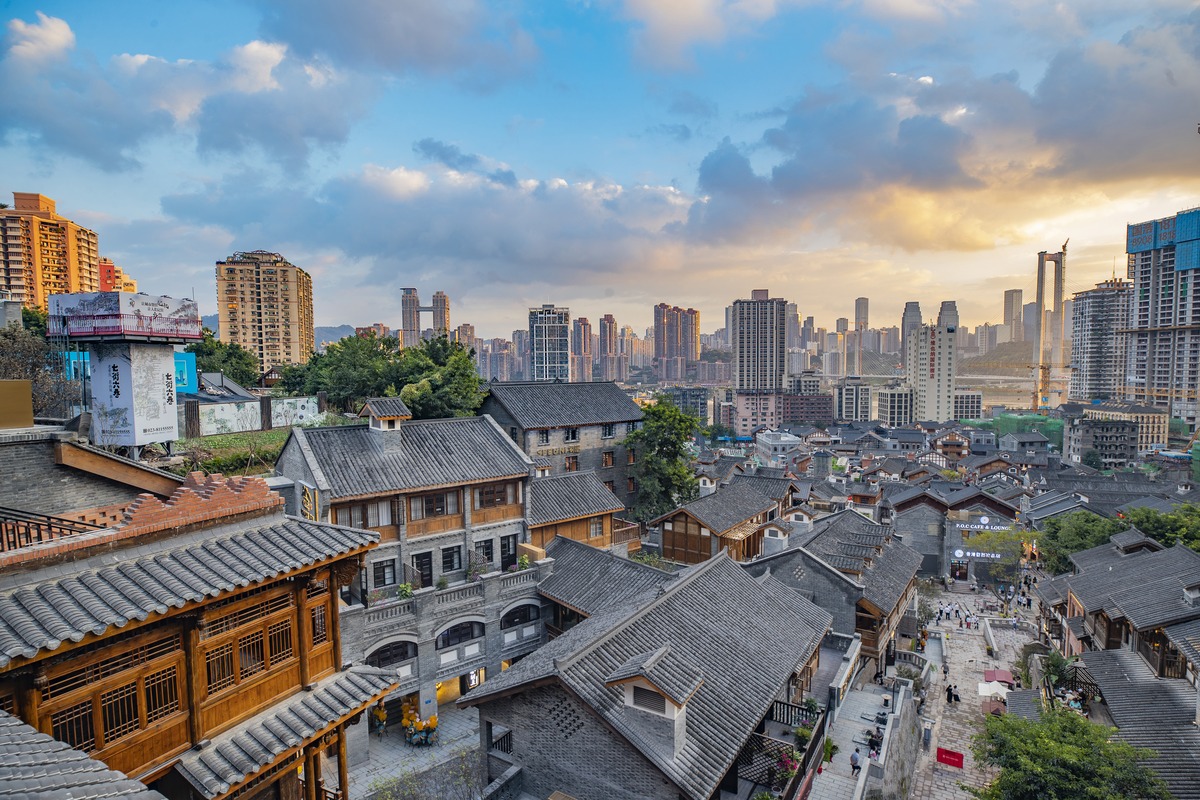
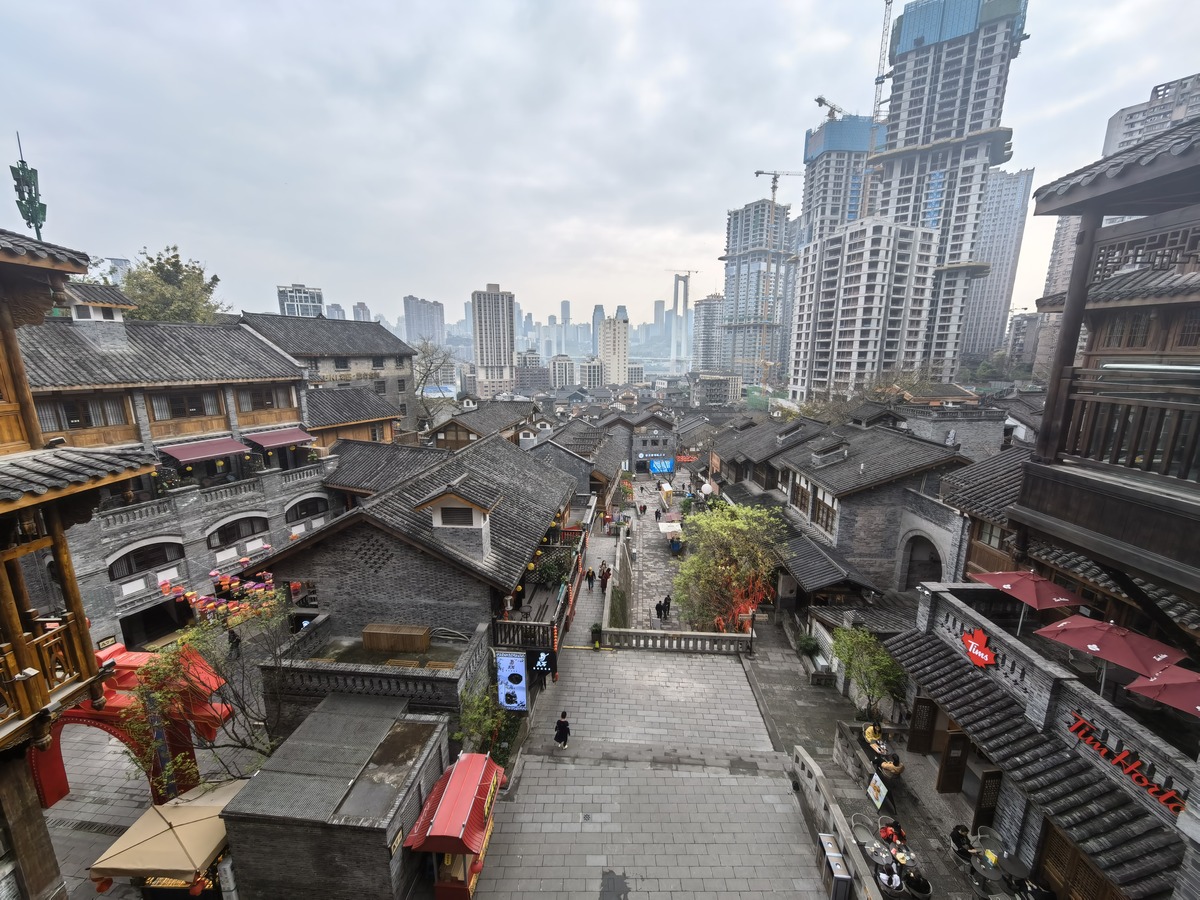
The street that reopened in 2021 is a reconstruction. That is not a criticism, it is a description: the stone is new, the buildings are new, and the layout follows the old route rather than the old fabric. Knowing this before you arrive is the difference between enjoying it and being disappointed by it.
2. What to Spot: The Long Stair, the Lanes, the Exhibition
🪜 The Long Stair
- The Story: The central flight dropping from the ridge to the lower town, lined with lanterns and rebuilt shopfronts. It is the image everyone comes for and it is genuinely well composed.
- What to Look For: The view back up from the bottom. The stair narrows with distance, which is what makes the photograph work.
🏘️ The Side Lanes
- The Story: Off the main stair, near the bottom and around the old French consulate site, the reconstruction thins out into lanes where people still live.
- What to Look For: The point where the new paving stops. It is abrupt and obvious, and it is where the interesting half of the walk begins.
📽️ The Wartime Exhibition
- The Story: A free exhibition inside the district on the bombing of Chongqing during the war, including the tunnel shelters where civilians took cover.
- What to Look For: The English panels. They explain a chapter of the city’s history that almost no visitor arrives knowing, and they make the rest of central Chongqing legible.
🌃 The Night View
- The Story: The lanterns come on at dusk and the stair becomes a lit channel between the two levels of the city.
- What to Look For: The upper end, where you can see the stair and the skyline of the ridge in one frame.
3. Cultural Contrast: A Reconstruction That Admits What It Is
China has built a great many heritage streets in the last twenty years, and most of them share a problem: they are new places dressed as old ones, with the same four snack brands in every city. Shibati is part of that wave, and it has the same tea houses charging mall prices.
What makes it worth an hour anyway is the function, not the fabric. The stair is still the shortest way between the ridge and the river, so it is a working connection rather than a cul-de-sac; walk it downhill and you emerge where the old town was. And the free exhibition gives the place a subject, which most rebuilt streets do not have.
The comparison is with the lanes at the bottom, where the renovation ran out. Those are not prettier, but they are real, and the contrast between the two halves of one street is more interesting than either half alone.
4. Practical Essentials: Tickets, Transit & Scam Alerts
Tickets & Passport Booking
- Price: Free. Shibati is an open historic district with no admission, and the wartime exhibition inside is also free.
- Opening Hours: The district is walkable at any hour; individual shops keep commercial hours and shift them with the season and holidays.
- What costs money: Food, tea in the reconstructed teahouses, and souvenirs — all at commercial-street prices.
How to Get There
- By Metro: Lines 1 and 2 to Jiaochangkou (较场口) — the upper entrance is essentially at the exit, and the street runs downhill from there.
- The walking chain that works: Jiefangbei, then Shibati downhill, then Huguang Guild Hall, then the river. One direction, all downhill, and it covers both the old city and the new one.
- Show Your Driver: 师傅,去十八梯传统风貌区(较场口),谢谢!
Inside Tips & Scam Alerts
- Treat it as a link, not a destination. An hour is plenty; the value is in where it takes you.
- The “old teahouses” here charge shopping-mall prices, because they are new. The genuine article is in the older neighbourhoods away from the centre.
- If you are short of time, photograph the long stair from the upper platform and move on — that is most of what there is to see.
- Walk down, not up. The flights are long and the upper entrance at Jiaochangkou is where the metro leaves you.
- Complaints or overcharging: the 12345 hotline is free from any local phone and has English-speaking operators.
Quick Answers
The 7 things visitors ask before setting out, answered from the same verified record used across this page.
- How much does it cost to visit Shibati?
- FREE.
- What are the opening hours at Shibati?
- 24/7 (shops 10:00 - 22:00).
- How long should I spend at Shibati?
- About an hour.
- Is Shibati wheelchair accessible?
- Yes. The main renovated stair has landings and side ramps; the original side lanes are stepped only.
- How do I tell a taxi driver to take me to Shibati?
- Copy this line into DiDi or show it to the driver: 师傅,请带我到十八梯传统风貌区(较场口方向)。谢谢!
- Can I leave my luggage at Shibati?
- Cafe bag-holds inside the renovated zone.
- Will English work at Shibati?
- Limited — ticketing and signage are mostly Chinese. Have a translation app with the offline Chinese pack ready, and keep the Chinese name (十八梯) on screen for staff.
Where to go next
Three short lists, recomputed at build time from the same coordinates and categories as the pages themselves — no paid placement, no hand-picked names. Every card is a published guide.
Next stop in Chongqing
Straight-line distance from this spot, so you can judge what is walkable and what needs a taxi.


More like this, elsewhere in China
If historic district is what you came for, these are the closest equivalents you can reach in another city — ordered by distance, one city per card.


Change the subject
Deliberately a different category, for when one more temple or garden would blur into the last one.


Lists are derived from coordinates and category alone. Fix a wrong pin or re-tag a place and every list that mentions it moves with it.
Before you go · arrival essentials
Practical guides that pair with this kind of place — picked by category, not sponsored placement.
- Pay with Alipay & WeChat PayPayment · Set up Alipay or WeChat Pay on a foreign card — needed at almost every counter.
- Claim your tourist tax refundTax refund · Get 11% VAT back on what you buy here, at the airport on departure.
- Book China train tickets (12306)Trains · Buy high-speed rail tickets with a foreign passport, for getting here and back.