
Dongzhaigang Mangrove Reserve
ℹ️ About ¥25-45 entry depending on the package; boats ¥25-40 extra. ⚠️ Confirm on site.

This is 30 km out of town with no metro: agree the taxi fare or book a driver both ways before you go, because there is no reliable taxi back. Boat operators inside quote per person and per boat - confirm which before boarding.
Taxi & Street Navigation Help
师傅,请带我到东寨港红树林旅游区,谢谢!
Opening Hours & Best Time
About 08:30-17:30; ⚠️ one listing says 09:00-19:00 - go early for the birds.
💡 Pro Tip: Go at 08:30 on a low tide: the mangrove roots are exposed and the mudskippers and crabs are out. At high tide it is just green water. Bring mosquito repellent - the boardwalk is in the mosquitoes' house.
Accessibility & Luggage Lockers
Accessibility: ♿ Wheelchair & Stroller Friendly
A flat timber boardwalk over the mudflats with handrails, suitable for wheelchairs and strollers. The boat is not accessible. Boardwalk can be slippery after rain.
🧳 Luggage Storage: No storage.
Nearby Landmarks
The 2 places within reach of this spot — each one opens straight into Apple Maps or Amap, with the Chinese name you can show a driver.
Chinese names and pins are matched against each city's own map data at build time; a place only gets Directions once its pin has been verified, otherwise the button searches by name.
About Dongzhaigang Mangrove Reserve
1. Historical Origins: The First Reserve of Its Kind
Dongzhaigang is the mangrove reserve China designated first, and the largest single stand of it — a shallow bay east of Haikou where the coast is mudflat rather than beach, and where the trees grow in salt water.
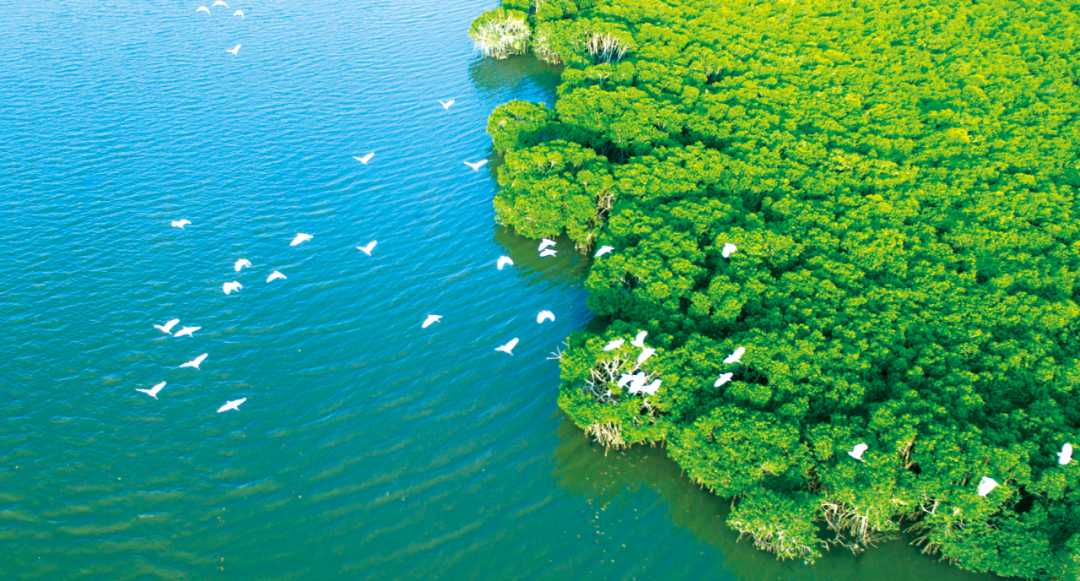
The reserve exists because the ecosystem does a job nothing else does: the roots slow the water, hold the mud, and shelter the juvenile fish and crustaceans that the whole coastal fishery depends on. That is also why the visit is shaped by the tide rather than by the clock.
2. What to Spot: Roots, Mud, Birds
🌿 The Breathing Roots
Mangroves cannot get oxygen from waterlogged mud, so they send roots up out of it. At low tide the bay fills with these spikes and arches, and the whole forest stands on stilts.
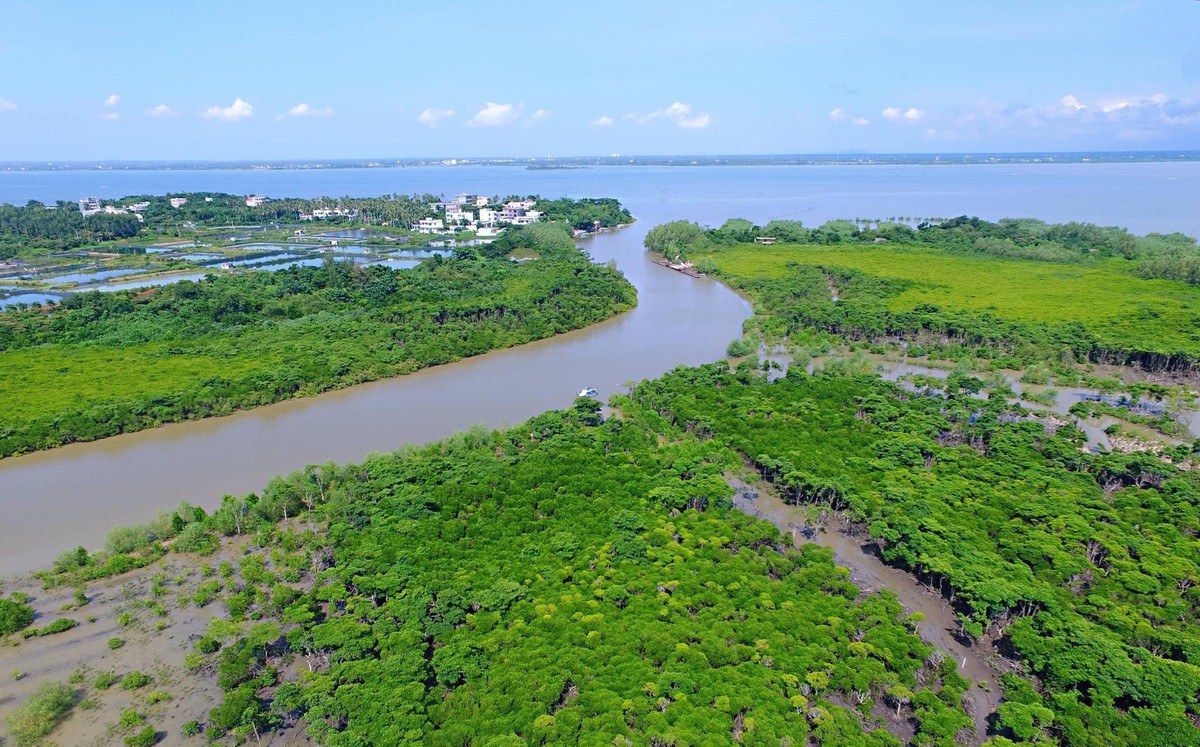
- The Story: A mangrove is not one species but a set of plants that separately evolved the same trick. The different root shapes on one shoreline are different solutions to the same problem.
- What to Look For: Mudskippers on the flats and crabs working the sediment between the roots — the reserve’s real residents, and easier to see than the birds.
🚤 The Water Channels
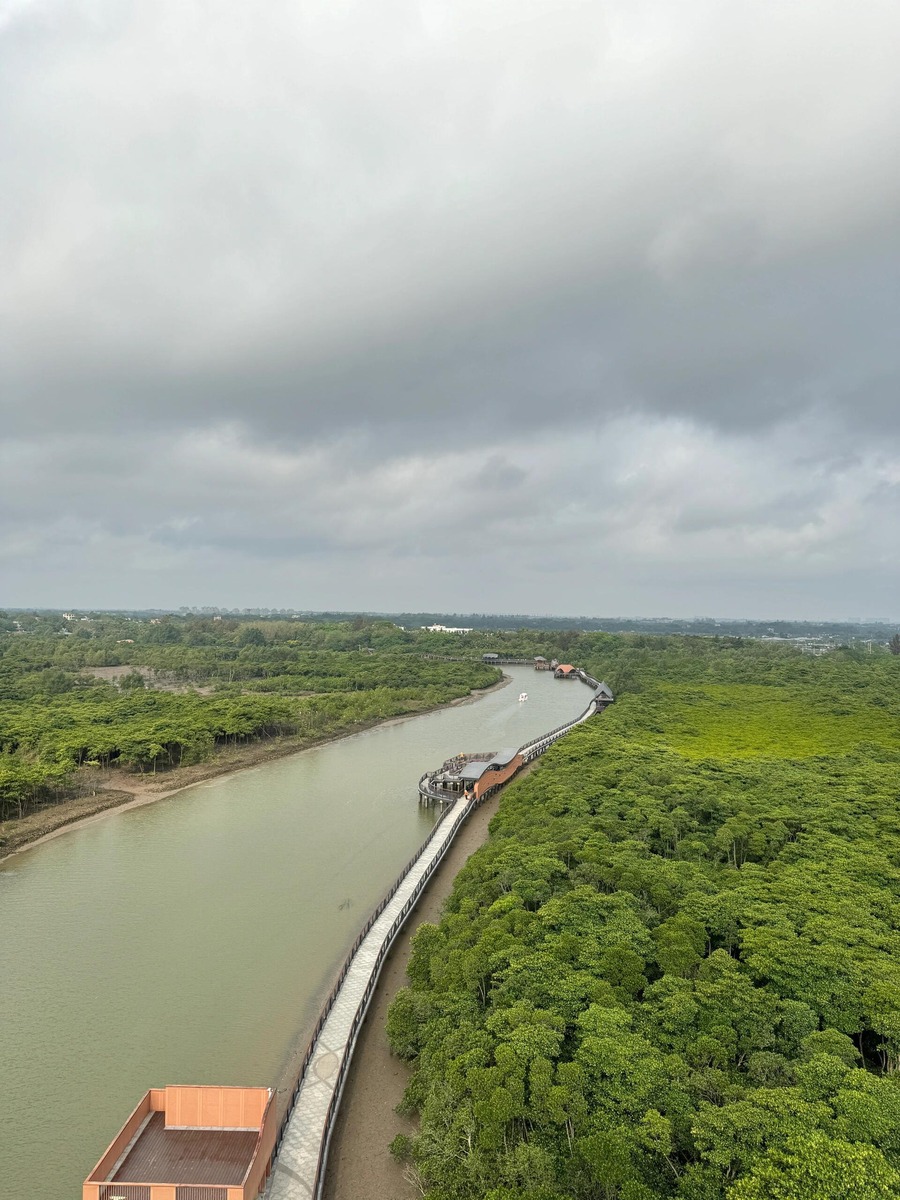
The boat runs through the creek system inside the forest, which is the only way to see the reserve from the water side. Boardwalk and boat are sold as different combinations.
🦩 The Winter Birds
Autumn and winter bring migratory birds to the flats; summer does not. If birds are the reason for the trip, come between November and March and bring binoculars.
3. Cultural Contrast: A Nature Reserve With Chinese Tourism Habits
This is a protected area run as a paid attraction: there is a gate, a ticket, a boardwalk and a boat, and the interpretation is aimed at domestic tour groups rather than at birders. That is not a criticism — the reserve is intact — but it means you should visit for the tide and the trees rather than expecting a quiet hide.
- Tide first, transport second. Check the tide table before you commit to a day; the same visit can be the best or the emptiest two hours of the trip.
- The boardwalk is the education. Panels explain the ecosystem in Chinese; bring a translation app if you want the detail.
- Fish farming and the reserve share the bay. The ponds you pass on the way in are part of the local economy, not a mistake.
4. Practical Essentials: Tickets, Transit & Scam Alerts
Tickets & Passport Booking
- Entry is ticketed and packages vary — boardwalk only, or boardwalk plus boat. There are also boat charges inside on top of the gate ticket, and prices change; nothing here quotes a figure. Confirm the current combination and price at the window.
- No advance booking is documented. Turn up and buy, or use the resort’s own official page if one is offered.
- Opening times have at least two versions in circulation. Go early — the light is better, the birds are active and the heat is lower — and accept that the gate may keep different hours than a listing says.
How to Get There
- Location: Yanfeng Town, Meilan District (美兰区演丰镇), about thirty kilometres east of the city centre.
- No metro, no reliable taxi back. This is the single most important line on this page: agree a return trip with your driver, or book a car for the day. Do not arrive on a one-way fare and hope.
- Taxi or hired car: “师傅,去东寨港红树林景区,演丰镇” — the town name is what drivers know.
- Allow an hour each way in ordinary traffic.
Inside Tips & Scam Alerts
- Boat operators quote both per person and per boat. Confirm which before you board, and confirm whether the boat is inside the reserve or outside it.
- Bring mosquito repellent. The boardwalk runs through the mosquitoes’ own habitat, and the shade that makes it pleasant is why they are there.
- Wear shoes you can get muddy and hold the handrail on the steps down to the boat.
- Storms close the place. After a typhoon or heavy rain the roads out here flood; keep a city day as the fallback.
- Food nearby: Yanfeng Town for seafood, and Puqian further north is the home of Hainan’s fermented-rice vinegar hotpot (糟粕醋).
- Complaints or overcharging: the 12345 hotline is free from any local phone and has English-speaking operators.
Quick Answers
The 6 things visitors ask before setting out, answered from the same verified record used across this page.
- How much does it cost to visit Dongzhaigang Mangrove Reserve?
- About ¥25-45; boats extra. About ¥25-45 entry depending on the package; boats ¥25-40 extra. ⚠️ Confirm on site.
- What are the opening hours at Dongzhaigang Mangrove Reserve?
- About 08:30-17:30; ⚠️ one listing says 09:00-19:00 - go early for the birds.
- Is Dongzhaigang Mangrove Reserve wheelchair accessible?
- Yes. A flat timber boardwalk over the mudflats with handrails, suitable for wheelchairs and strollers. The boat is not accessible. Boardwalk can be slippery after rain.
- How do I tell a taxi driver to take me to Dongzhaigang Mangrove Reserve?
- Copy this line into DiDi or show it to the driver: 师傅,请带我到东寨港红树林旅游区,谢谢!
- Can I leave my luggage at Dongzhaigang Mangrove Reserve?
- No storage.
- Is there anything to watch out for at Dongzhaigang Mangrove Reserve?
- This is 30 km out of town with no metro: agree the taxi fare or book a driver both ways before you go, because there is no reliable taxi back. Boat operators inside quote per person and per boat - confirm which before boarding.
Where to go next
Three short lists, recomputed at build time from the same coordinates and categories as the pages themselves — no paid placement, no hand-picked names. Every card is a published guide.
Next stop in Haikou
Straight-line distance from this spot, so you can judge what is walkable and what needs a taxi.


More like this, elsewhere in China
If park or garden is what you came for, these are the closest equivalents you can reach in another city — ordered by distance, one city per card.


Change the subject
Deliberately a different category, for when one more temple or garden would blur into the last one.


Lists are derived from coordinates and category alone. Fix a wrong pin or re-tag a place and every list that mentions it moves with it.
Before you go · arrival essentials
Practical guides that pair with this kind of place — picked by category, not sponsored placement.