
Shanhua Temple

The one real trap is the 'free vs ticket' ambiguity itself: because guides say free and booking apps say paid, a third party at the gate may 'sell' you entry that the official channel either waives or prices differently. Check the current status at the temple's own counter before paying anyone a bundle price, and remember a Shanhua ticket does not admit you to Huayan Temple next door.
Taxi & Street Navigation Help
师傅,请带我到善化寺(大同古城,南寺街),谢谢!
Opening Hours & Best Time
Daylight visiting hours set by the temple/operator; no single officially-published timetable is relied on here, so check the day's posted time. As a working religious site, hall access can narrow around services.
💡 Pro Tip: Shanhua is the quieter, less-crowded counterpart to Huayan and arguably the greater architectural prize: a fully preserved Liao-Jin monastic axis running gate → Three Sages Hall → Mahavira Hall → sutra pavilion, with the Mahavira Hall keeping Jin-dynasty polychrome sculpture and the Three Sages Hall showing the massive bracket-sets and deep eaves that define the style. Because far fewer tour groups come, it is the best place in the city to study Liao-Jin timber framing calmly — read up on the bracketing first or hire a guide, and it quietly outshines its famous neighbour.
Accessibility & Luggage Lockers
Accessibility: ⚠️ Step thresholds, limited access
A temple on a stepped central axis with hall thresholds and interior stairs; courtyards are paved but level access into every hall is unverified.
🧳 Luggage Storage: No lockers noted at the gate; the old city is compact and walkable — travel light or leave bags at your hotel.
Nearby Landmarks
The 2 places within reach of this spot — each one opens straight into Apple Maps or Amap, with the Chinese name you can show a driver.
Also worth pairing: Nine-Dragon Wall & Daiwang Fu, old-city cluster — real picks, just left off the grid so the cards stay in pairs.
Chinese names and pins are matched against each city's own map data at build time; a place only gets Directions once its pin has been verified, otherwise the button searches by name.
About Shanhua Temple
1. Historical Origins: The Most Complete Liao-Jin Monastery
Founded in the Tang and rebuilt in the Liao and Jin, Shanhua Temple is one of China’s largest and most intact surviving Liao-Jin Buddhist monastery layouts. Rather than a single famous hall, its value is the whole plan: a clear north-south axis of gate, the Three Sages Hall (Sansheng Dian), the Mahavira Hall and a rear sutra pavilion, sitting on terraces much as an eleventh-to-twelfth-century Khitan/Jurchen monastery would have. That completeness makes it a textbook of the period.
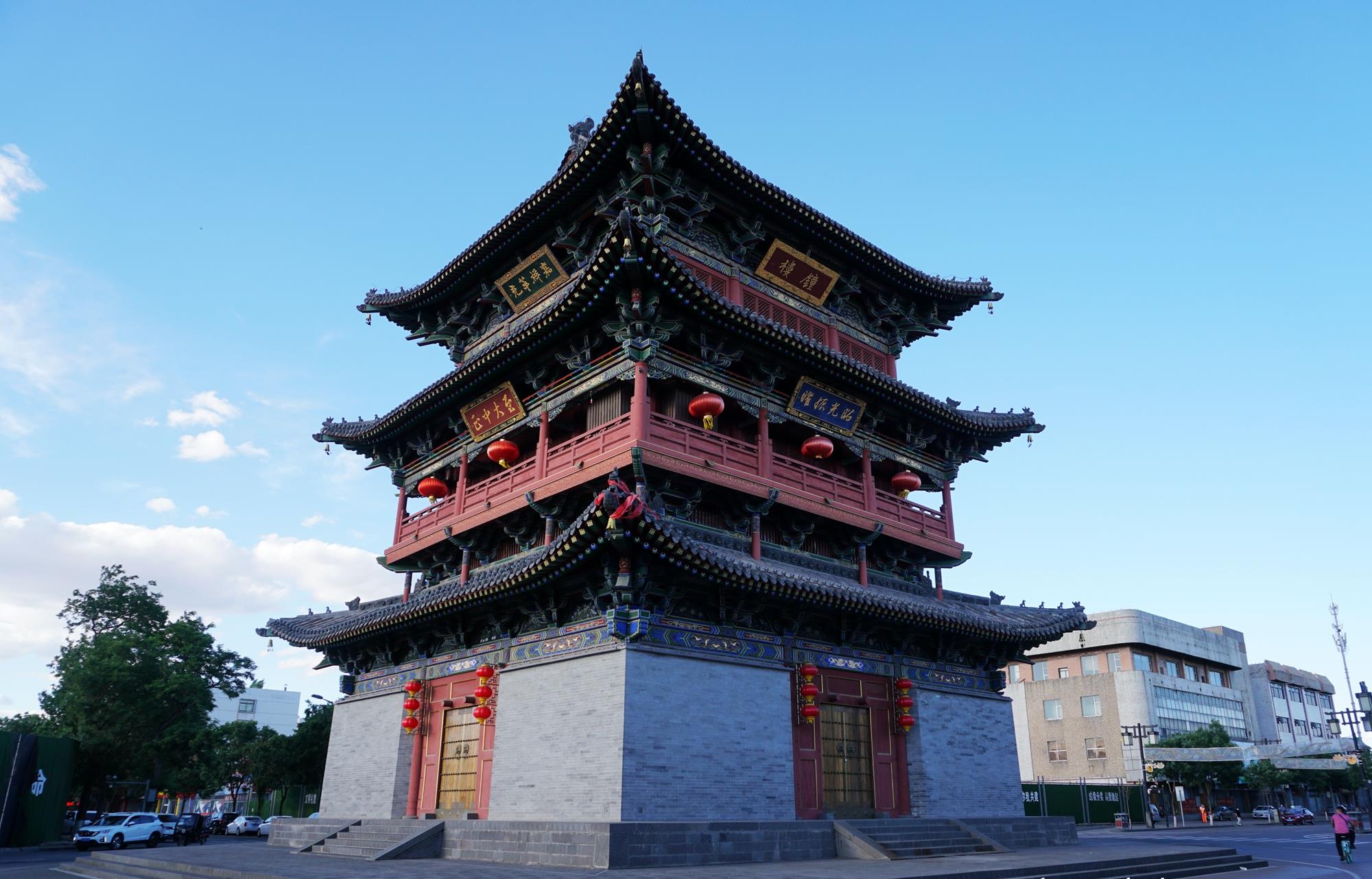
The Two Prefectures era — when Datong was a Liao ‘Western Capital’ and then a Jin city — left an unusually high concentration of fine timber halls, and Shanhua preserves their structural honesty: enormous bracket clusters, long bracketing arms and deep overhanging eaves that later, more ornate Ming-Qing builders abandoned. For architectural history this is the treasure; the sculpture is the bonus.
2. What to Spot: The Axis, the Jin Sculpture, the Bracketing
🏛️ The Mahavira Hall (Daxiong Baodian)
- The Story: The principal hall, carrying Jin-era polychrome Buddhist figures and Ming murals under a colossal timber frame.
- What to Look For: The seven great statues and the wall paintings — original sculpture surviving inside an original building.
🪵 The Three Sages Hall & Its Brackets
- The Story: The middle hall, the showpiece for structural historians of the Liao-Jin style.
- What to Look For: The scale of the dougong bracket sets and how far the eaves project — the engineering signature of the era.
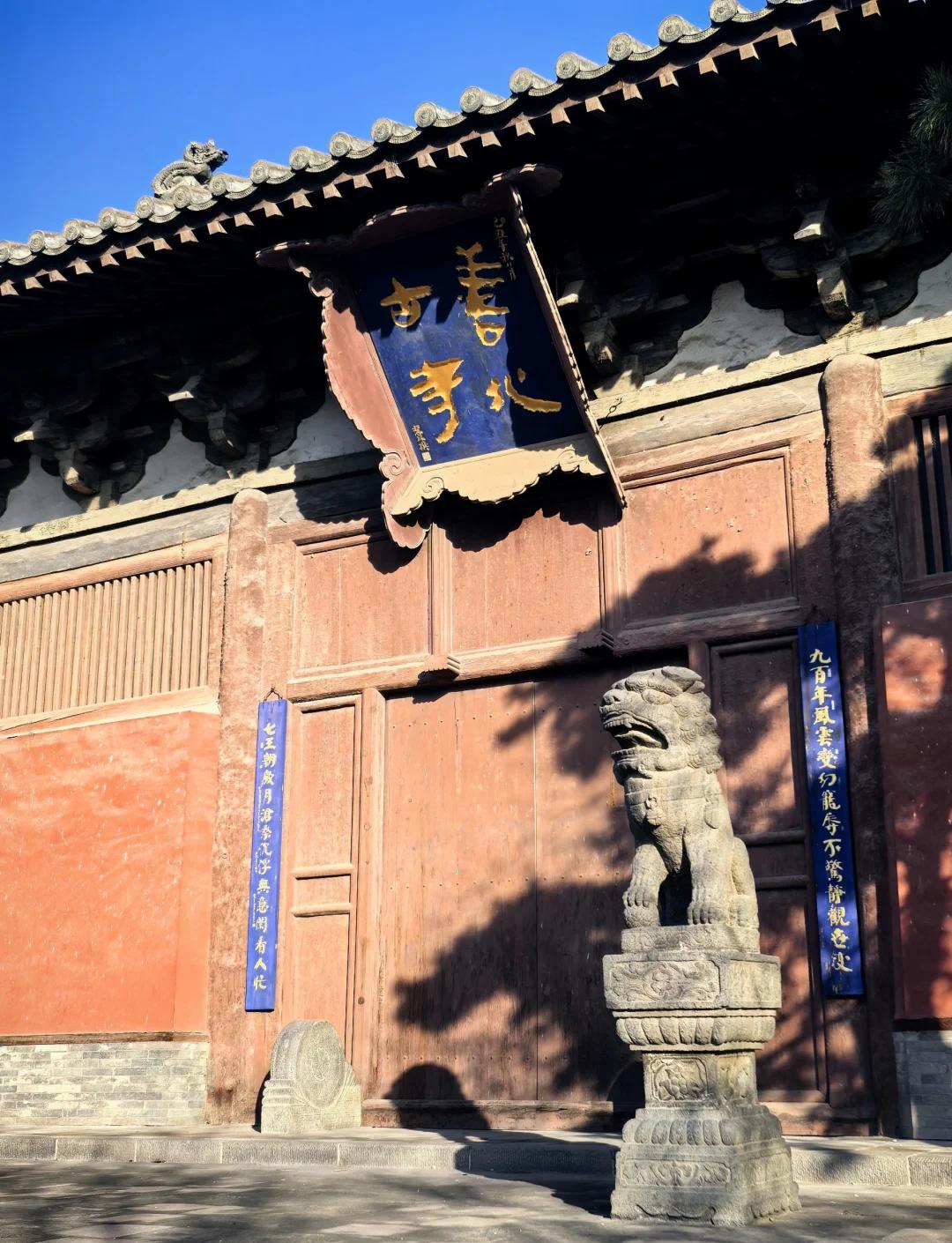
🧭 The Complete Monastic Plan
- The Story: Gate, two halls and rear pavilion on one unbroken axis over raised terraces.
- What to Look For: The rare chance to walk a full Liao-Jin monastery layout end to end, exactly as laid out.
3. Cultural Contrast: The Connoisseur’s Pick Over the Crowd-Pleaser
If Huayan Temple is Datong’s celebrated monument, Shanhua is the informed traveller’s reward. It draws fewer tour buses, so the same Liao-Jin timber drama unfolds in near-quiet, and its intact axial plan is something no restored single hall can match. For a foreign visitor with an eye for architecture or sculpture, the ranking quietly flips: this is where the older, bolder structural aesthetic survives most completely.
It also sits inside the walkable old-city cluster — a short stroll from Huayan, the Nine-Dragon Wall and the city wall — so it slots into a half-day loop rather than needing its own expedition. Just carry the ticketing ambiguity in mind: whether it is free or nominally priced is unsettled, so verify at the counter and treat it as a low-cost, high-reward stop appended to a Huayan morning.
4. Practical Essentials: Tickets, Transit & Scam Alerts
Tickets & Passport Booking
- Price: Reports conflict — booking sites show a small paid entry, guides say free; no official figure is fixed here. Confirm the day’s status at the temple counter or official channel, and don’t let a third party bundle-sell you entry.
- Passport: Purchase / entry documents follow the on-site rule. Separate admission from Huayan Temple.
How to Get There
- Where it is: On Nansi Street inside Datong’s restored old city, an easy walk from Huayan Temple, the Nine-Dragon Wall and the wall. No metro; there is no official drive time to the airport / south station, so allow real time.
- Show Your Driver: 师傅,请带我到善化寺(大同古城,南寺街),谢谢!
Inside Tips & Scam Alerts
- Study the bracketing in the Three Sages Hall and the Jin sculpture in the Mahavira Hall — pre-read or take a guide. Verify free-vs-paid at the gate, and respect the active-temple photography and dress rules. Complaints / lost property: 12345, free from a local number.
Quick Answers
The 6 things visitors ask before setting out, answered from the same verified record used across this page.
- How much does it cost to visit Shanhua Temple?
- Paid or free — reports differ.
- What are the opening hours at Shanhua Temple?
- Daylight visiting hours set by the temple/operator; no single officially-published timetable is relied on here, so check the day's posted time. As a working religious site, hall access can narrow around services.
- Is Shanhua Temple wheelchair accessible?
- Not fully. A temple on a stepped central axis with hall thresholds and interior stairs; courtyards are paved but level access into every hall is unverified.
- How do I tell a taxi driver to take me to Shanhua Temple?
- Copy this line into DiDi or show it to the driver: 师傅,请带我到善化寺(大同古城,南寺街),谢谢!
- Can I leave my luggage at Shanhua Temple?
- No lockers noted at the gate; the old city is compact and walkable — travel light or leave bags at your hotel.
- Is there anything to watch out for at Shanhua Temple?
- The one real trap is the 'free vs ticket' ambiguity itself: because guides say free and booking apps say paid, a third party at the gate may 'sell' you entry that the official channel either waives or prices differently. Check the current status at the temple's own counter before paying anyone a bundle price, and remember a Shanhua ticket does not admit you to Huayan Temple next door.
Where to go next
Three short lists, recomputed at build time from the same coordinates and categories as the pages themselves — no paid placement, no hand-picked names. Every card is a published guide.
Next stop in Datong
Straight-line distance from this spot, so you can judge what is walkable and what needs a taxi.


More like this, elsewhere in China
If landmark is what you came for, these are the closest equivalents you can reach in another city — ordered by distance, one city per card.


Change the subject
Deliberately a different category, for when one more temple or garden would blur into the last one.


Lists are derived from coordinates and category alone. Fix a wrong pin or re-tag a place and every list that mentions it moves with it.
Before you go · arrival essentials
Practical guides that pair with this kind of place — picked by category, not sponsored placement.