
Daiwang Fu (Prince Dai's Mansion)

The trap is the ticket's ambiguity, not a scam at the door. 'Daiwang Fu' entry may or may not include a performance, and what you're paying for is easy to misjudge — a halls-only visitor who expects the show (or vice versa) gets the wrong visit. Buy directly at the venue or its official mini-program, ask explicitly whether the price includes the Bai-Xi performance, and treat any third-party 'combo' listing as unverified. The adjacent Nine-Dragon Wall was originally this mansion's screen wall, so don't assume one ticket covers both.
Taxi & Street Navigation Help
师傅,请带我到代王府(大同古城,皇城街),谢谢!
Opening Hours & Best Time
Hours and, more importantly, any performance schedule are set by the venue with no single published timetable to reserve against. A mansion-plus-show venue can open for walk-in visiting by day and run staged 'Ming variety show' (Bai-Xi) sessions at fixed times; whether you're admitted to a hall or seated for a show changes with the hour, so check the day's posted opening window and show times rather than assuming all-day access.
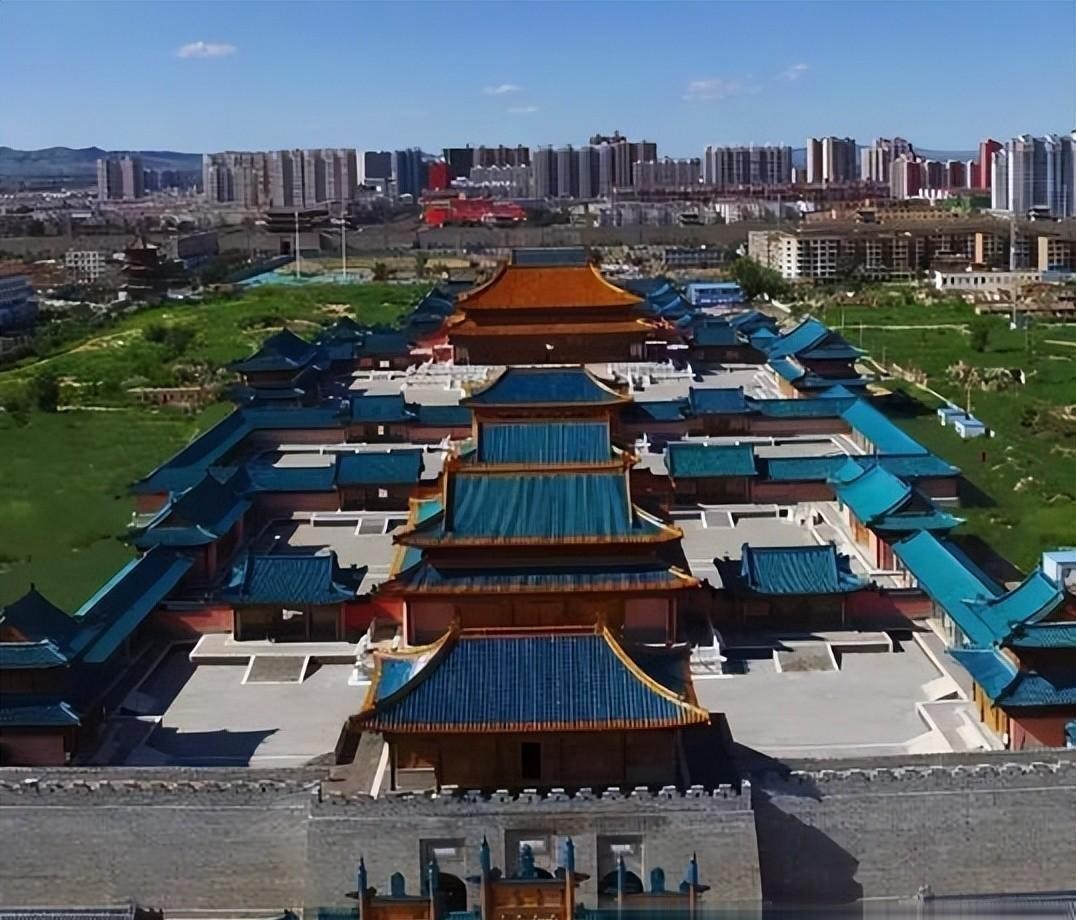
💡 Pro Tip: This is the residence of Zhu Gui, the thirteenth son of the Ming founder Zhu Yuanzhang — enfeoffed here as Prince Dai — built to the full protocol of a Ming imperial prince's palace and nicknamed a 'mini Forbidden City' for its scale. What stands today is largely protective reconstruction; its axial layout is the point: follow the gate-hall sequence (Dianli Gate, Chengyun Gate, Chengyun Hall) down the central spine to read how a Ming princely household was organised by ritual. Its real claim to fame sits right outside — the Nine-Dragon Wall in front was this mansion's spirit screen.
Accessibility & Luggage Lockers
Accessibility: ⚠️ Step thresholds, limited access
A reconstructed palace complex of thresholds, steps and raised hall platforms along a central axis; courtyard paving is level but hall entries are stepped, and step-free access throughout is unverified.
🧳 Luggage Storage: No visitor lockers noted — the old city is walkable, so carry light or leave bags at your hotel.
Nearby Landmarks
The 2 places within reach of this spot — each one opens straight into Apple Maps or Amap, with the Chinese name you can show a driver.
- Nine-Dragon Wall, directly in frontLandmarkNearbywas this mansion's screen wall
Also worth pairing: Old-city pedestrian axis (Chenghuang Street) — real picks, just left off the grid so the cards stay in pairs.
Chinese names and pins are matched against each city's own map data at build time; a place only gets Directions once its pin has been verified, otherwise the button searches by name.
About Daiwang Fu (Prince Dai's Mansion)
1. Historical Origins: A Ming Prince’s Palace, ‘Mini Forbidden City’
The Daiwang Fu was the residence of Zhu Gui, the Ming dynasty’s Prince Dai — one of the twenty-plus sons enfeoffed across the empire by the dynasty’s founder Zhu Yuanzhang, who made this the thirteenth. Built to the strict protocol of an imperial prince’s mansion, its scale and gate-after-gate axial plan earned it the modern nickname of a ‘mini Forbidden City’. Datong, a frontier stronghold, warranted exactly this kind of royal presence.

Little of the original survived the dynastic wars; the complex today is a protective reconstruction that restores the axial sequence — the Dianli and Chengyun gates and the Chengyun Hall throne space — so visitors can read a Ming princely household the way ritual intended. Part of the site now operates as a heritage-and-performance venue, staging ‘Ming variety show’ (Bai-Xi) scenes, which is why entry terms are worth clarifying before you go.
2. What to Spot: The Axial Halls, the Glazed Roofs, the Living Stage
🏯 The Central-Axis Gate Halls
- The Story: A sequence of gates and throne halls laid out on one spine, the grammar of a prince’s status.
- What to Look For: The progression from Dianli Gate through Chengyun Hall — scale and roof grade signalling rank at each step.
🟢 Green-Glazed Rooflines
- The Story: Princely mansions used glazed tile a notch below imperial yellow; the emerald roofs are the visual signature.
- What to Look For: The tile colour and the sweeping eaves against the grey old-city roofs — best seen from an elevated angle.
🎭 The Ming Variety-Show Stage
- The Story: Parts of the site run costumed Bai-Xi performances evoking the princely household.
- What to Look For: If a show is in your ticket, the session times matter more than the halls — confirm the schedule before planning the visit.
3. Cultural Contrast: Enfeoffment as Frontier Policy
For a foreign visitor the mansion is the clearest lesson in how Ming China governed. Rather than stationing only armies at restive frontiers, the founder planted his own sons as princes across strategic cities — Datong among them — turning royal blood into border defense. The Daiwang Fu’s grand plan is that policy rendered in timber and glazed tile: a prince’s court, walled and ranked, holding the northwest.
That same logic puts the mansion and the Nine-Dragon Wall in one story: the famous glazed wall out front was not a public monument but this household’s spirit screen, a feng-shui barrier guarding the prince’s gate. Visiting the two together recovers the original relationship that time and ticketing have since pulled apart. Read the halls as context and the wall as its surviving ornament, and the reconstruction earns real meaning.
4. Practical Essentials: Tickets, Transit & Scam Alerts
Tickets & Passport Booking
- Price: Old-city mansion admission, possibly bundled with a Bai-Xi performance — the composition is not fixed here; ask at the gate exactly whether the show is included, since OTA bundles are unverified.
- Passport & booking: Real-name sale via the venue’s official channel is common for old-city sights; buy direct with your passport document and confirm show times if relevant.
How to Get There
- Where it is: On Chenghuang Street inside Datong’s old city, immediately beside the Nine-Dragon Wall; walkable from Huayan Temple and the wall circuit. There is no official drive time to the airport or south station — allow real time.
- Show Your Driver: 师傅,请带我到代王府(大同古城,皇城街),谢谢!
Inside Tips & Scam Alerts
- Pair it with the Nine-Dragon Wall — they were one complex. Ask whether your ticket covers the performance before paying, and check the show timetable. Follow hall photography rules; it’s a staged heritage venue. Complaints / lost property: 12345, free from a local number.
Quick Answers
The 5 things visitors ask before setting out, answered from the same verified record used across this page.
- What are the opening hours at Daiwang Fu?
- Hours and, more importantly, any performance schedule are set by the venue with no single published timetable to reserve against. A mansion-plus-show venue can open for walk-in visiting by day and run staged 'Ming variety show' (Bai-Xi) sessions at fixed times; whether you're admitted to a hall or seated for a show changes with the hour, so check the day's posted opening window and show times rather than assuming all-day access.
- Is Daiwang Fu wheelchair accessible?
- Not fully. A reconstructed palace complex of thresholds, steps and raised hall platforms along a central axis; courtyard paving is level but hall entries are stepped, and step-free access throughout is unverified.
- How do I tell a taxi driver to take me to Daiwang Fu?
- Copy this line into DiDi or show it to the driver: 师傅,请带我到代王府(大同古城,皇城街),谢谢!
- Can I leave my luggage at Daiwang Fu?
- No visitor lockers noted — the old city is walkable, so carry light or leave bags at your hotel.
- Is there anything to watch out for at Daiwang Fu?
- The trap is the ticket's ambiguity, not a scam at the door. 'Daiwang Fu' entry may or may not include a performance, and what you're paying for is easy to misjudge — a halls-only visitor who expects the show (or vice versa) gets the wrong visit. Buy directly at the venue or its official mini-program, ask explicitly whether the price includes the Bai-Xi performance, and treat any third-party 'combo' listing as unverified. The adjacent Nine-Dragon Wall was originally this mansion's screen wall, so don't assume one ticket covers both.
Where to go next
Three short lists, recomputed at build time from the same coordinates and categories as the pages themselves — no paid placement, no hand-picked names. Every card is a published guide.
Next stop in Datong
Straight-line distance from this spot, so you can judge what is walkable and what needs a taxi.


More like this, elsewhere in China
If landmark is what you came for, these are the closest equivalents you can reach in another city — ordered by distance, one city per card.


Change the subject
Deliberately a different category, for when one more temple or garden would blur into the last one.


Lists are derived from coordinates and category alone. Fix a wrong pin or re-tag a place and every list that mentions it moves with it.
Before you go · arrival essentials
Practical guides that pair with this kind of place — picked by category, not sponsored placement.