
Ciqikou Ancient Town

Three classics: 1) Fake 'Chen Mahua' fried-dough-twist stalls — the real one is the original storefront mid-lane with the permanent queue; any stall claiming the name with no line is a copy. 2) Unlicensed 'Gele Mountain' taxi offers at the gate — take Metro 1 or the official bus. 3) Chili-powder 'tasters' who upsell gift boxes at triple price — buy hotpot base at supermarkets instead.
Taxi & Street Navigation Help
师傅,请带我到磁器口古镇正门(磁器口地铁站1号出口方向)。谢谢!
Opening Hours & Best Time
24/7 (shops ~09:00 - 20:00; best 09:00 - 17:00)
💡 Pro Tip: Arrive before 09:30 or after 16:30 — the single lane is unbearable at noon. The back lanes (toward the river, past the main drag's last turn) hold the actual old town: quiet courtyards, the old docks, zero crowds.
Accessibility & Luggage Lockers
Accessibility: ♿ Wheelchair & Stroller Friendly
The main lane is paved and level enough for wheelchairs with assistance; side lanes are stepped. Enter from the metro-side gate for the flattest route.
🧳 Luggage Storage: Cafe bag-holds; lockers near the metro exit.
Nearby Landmarks & A Short Train Ride
The 4 places worth pairing with this spot — each one opens straight into Apple Maps or Amap, with the Chinese name you can show a driver. One pick sits in Chengdu (HSR ~1 h 2 min) — a short high-speed ride, not a walk. Chongqing's own list came out one short of a pair, and this is the nearest pick that fills it.
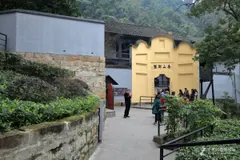
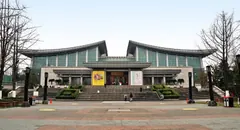
Chinese names and pins are matched against each city's own map data at build time; a place only gets Directions once its pin has been verified, otherwise the button searches by name. Cards with an amber city tag are in another city — the ride time shown is the fastest train of the day.
About Ciqikou Ancient Town
1. Historical Origins: A River Port With Twelve Stone Lanes
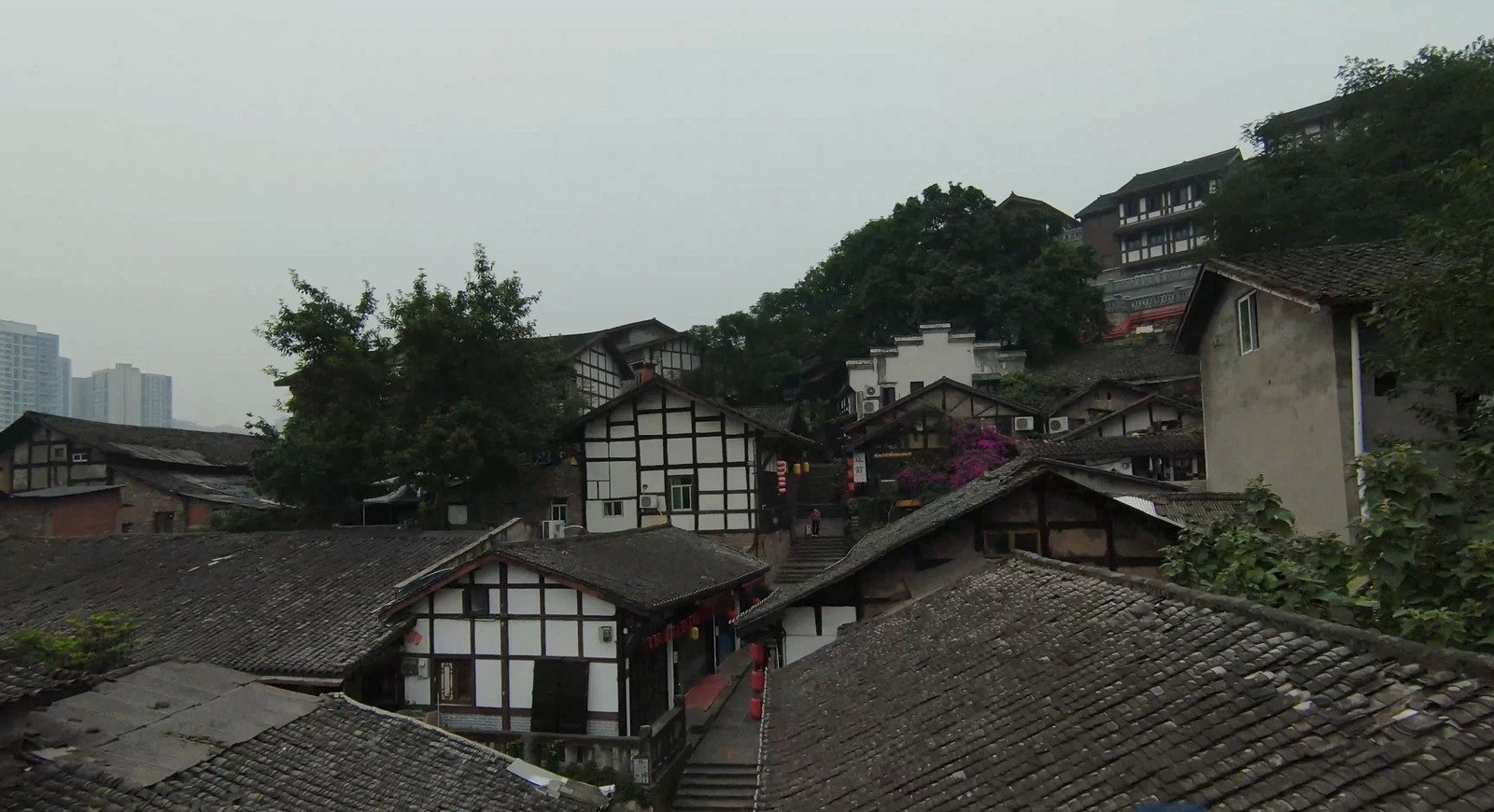
Ciqikou was a river port before it was a tourist street. It sits on the Jialing, on the old road north out of Chongqing, and for several centuries it was the place where goods coming down the valley were transferred from mule to boat. The lanes are stone-paved and narrow because they had to carry cargo, not crowds — twelve of them, running off the spine back into the hillside.
That is the part of the town that survives. The main lane is now a commercial street selling the same snacks as every other old town in China, but step off it and the scale is immediately different: courtyard houses, washing lines, tea houses where men sit for four hours over one cup, and stone steps down to the water where the boats used to load.
Which is not to say the main lane is worthless. It is where the city’s famous snacks are made and sold, including the fried dough twists — mahua — that Ciqikou is known for across Chongqing. You just have to know what you are looking at, and when.
2. What to Spot: The Main Lane and the Back Lanes
🏮 The Main Lane
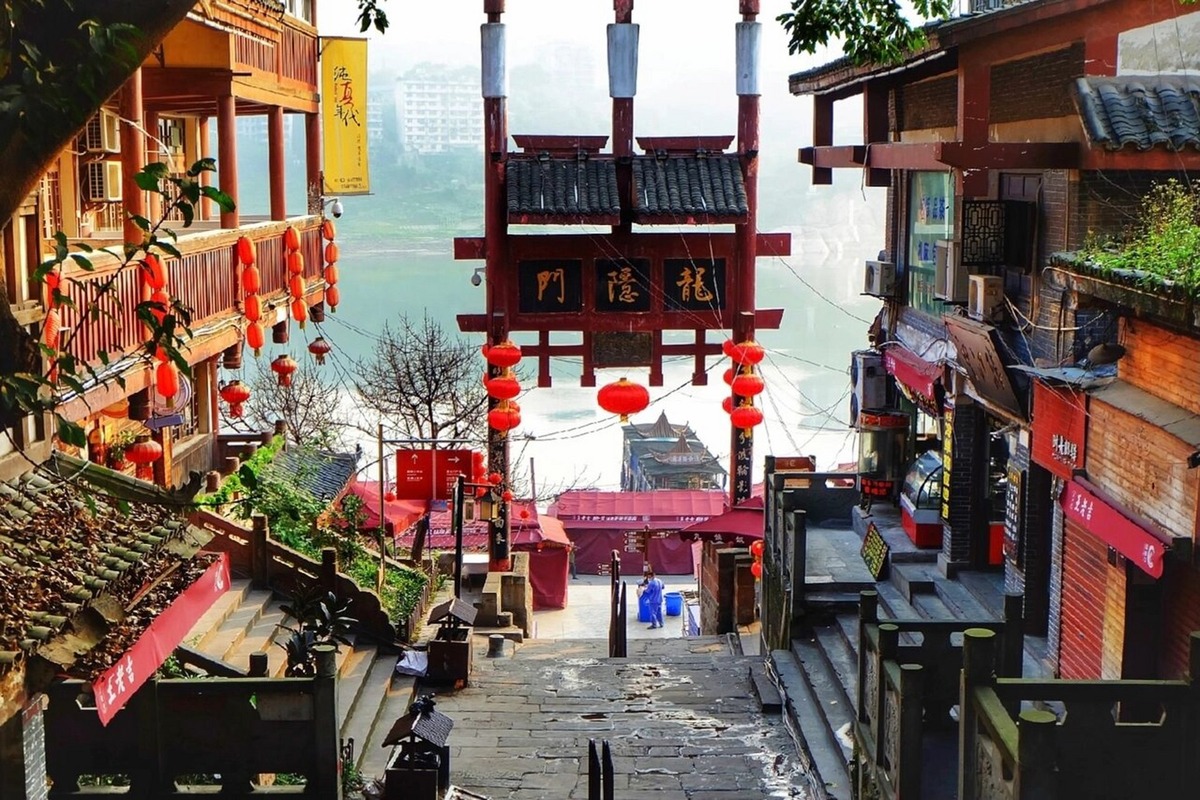
- The Story: The spine of the old town, running uphill from the river gate between two rows of timber shopfronts, lanterns overhead and the smell of chilli oil and Sichuan pepper in everything.
- What to Look For: The stone paving, which is original in places and worn into shallow hollows. Look down rather than ahead; the shopfronts change every year and the stones do not.
🥨 The Mahua Stalls
- The Story: Ciqikou’s fried dough twists are a local institution, sold in bags by weight, and several rival shops all claim to be the authentic one. They are not all the same, and the queues are not a reliable guide either.
- What to Look For: Free samples. Most stalls give them out, and the only sensible method is to taste three and buy from whichever you like — not from whichever has the loudest sign.
🪜 The River Steps
- The Story: A flight of stone stairs dropping from the back of the town to the old landing, where the Jialing runs wide and slow and the far bank is still hillside rather than city.
- What to Look For: The width of the steps. They were built for porters carrying loads, and standing at the bottom looking up is the quickest way to understand how the town worked.
🧧 The Back Lanes
- The Story: Past the last turn of the main drag, the lanes narrow into residential Ciqikou — courtyards, tea houses and almost no visitors. This is where the “ancient town” actually is.
- What to Look For: The old teahouses, where a cup costs a few yuan and nobody minds if you sit for an hour. Go in, order something, and stay longer than feels polite.
3. Cultural Contrast: One Street Is the Whole Problem
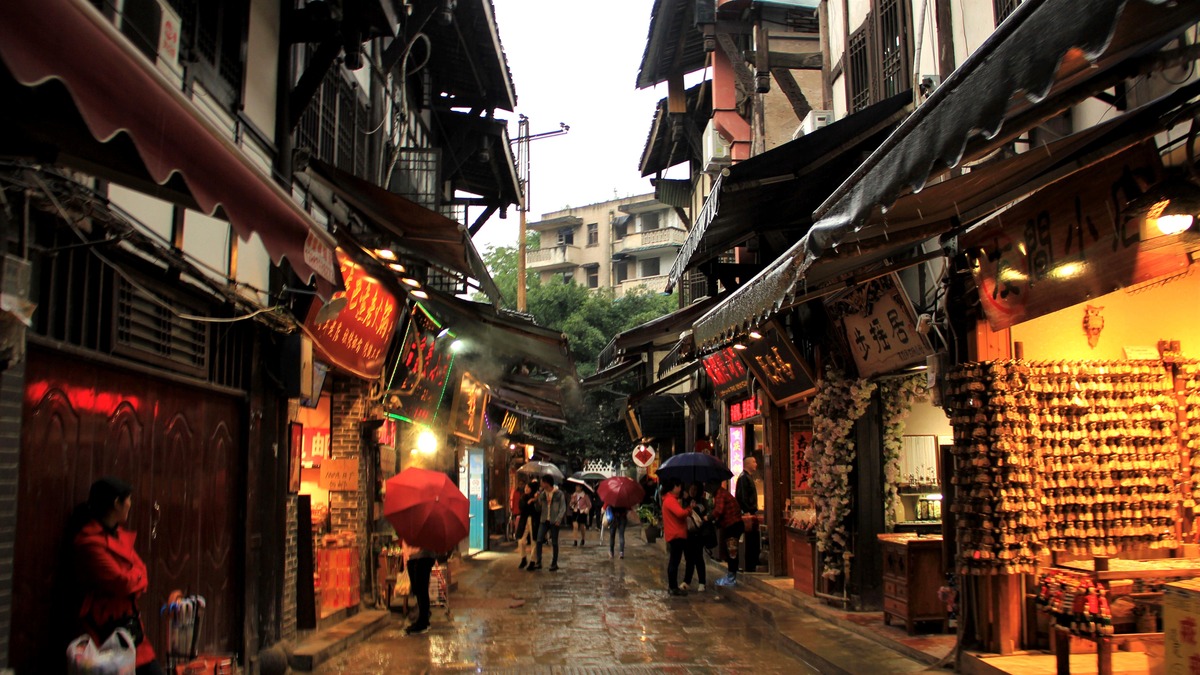
Chinese old towns are usually built around a single commercial spine, and Ciqikou is a textbook case. All the foot traffic, all the shops and all the noise are concentrated on one lane a few metres wide, which means the experience of the place is decided entirely by how many other people are on it at the same time.
That produces the odd result that ten metres sideways changes everything. Step through one doorway into a side lane and you go from queue to courtyard in a couple of paces — same town, same stones, no crowd. It is the cheapest improvement to any visit here, and most people never make it because the main lane does not visually invite you to turn.
The other honest note is the rebuilt west bank across the creek. It is a modern reconstruction in the same style, and when the main lane becomes unbearable, walking over there gives you the architecture without the people. Purists will call it fake. On a Saturday afternoon that argument loses.
4. Practical Essentials: Tickets, Transit & Scam Alerts
Tickets & Passport Booking
- Price: Free to enter. Ciqikou is an open historic quarter with no gate and no ticket, and no reservation is needed.
- How to Book: Nothing to book. A few of the old courtyard houses and small exhibition rooms charge their own admission on the door; prices vary and are posted at each building, so pay only if you want that particular house. Foreign cards are not accepted at these doors — bring cash or use mobile payment.
- Opening Hours: The quarter never closes. Shops run from roughly 09:00 to 20:00, though individual businesses set their own hours. The best window is 09:00–10:00 or after 16:30.
How to Get There
- By Metro: Line 1 to Ciqikou Station (磁器口), then about five minutes on foot to the main gate. This is by far the easiest of Chongqing’s old quarters to reach.
- Show Your Driver: 师傅,去磁器口古镇正门(沙坪坝磁器口),谢谢!
Inside Tips & Scam Alerts
- Every mahua shop claims to be the original. Several are named after members of the same family and the labels are designed to confuse. Take the free samples and buy what you like the taste of.
- The “Gele Mountain car” touts at the gate will route you through shops. If you want Gele Mountain, take Metro Line 1 or the public bus; the taxi they are selling is a shopping tour with a mountain attached.
- The chilli-powder “tasting” stalls are a sales funnel. You taste for free, then get quoted a gift-box price several times the supermarket rate. Buy hotpot base in any supermarket instead.
- Go on a weekday morning, and go into the side lanes. The single lane is genuinely unpleasant at midday on a weekend, and there is no way around it except sideways.
- If the crowds defeat you, cross the bridge to the rebuilt west bank. Same architecture, a fraction of the visitors.
- The main lane is stone-paved and mostly flat, but the side lanes and river steps have stairs. Not a wheelchair route beyond the main drag.
- Complaints or overcharging: the 12345 hotline is free to call from any local phone and has English operators.
Quick Answers
The 6 things visitors ask before setting out, answered from the same verified record used across this page.
- How much does it cost to visit Ciqikou Ancient Town?
- FREE.
- What are the opening hours at Ciqikou Ancient Town?
- 24/7 (shops ~09:00 - 20:00; best 09:00 - 17:00).
- Is Ciqikou Ancient Town wheelchair accessible?
- Yes. The main lane is paved and level enough for wheelchairs with assistance; side lanes are stepped. Enter from the metro-side gate for the flattest route.
- How do I tell a taxi driver to take me to Ciqikou Ancient Town?
- Copy this line into DiDi or show it to the driver: 师傅,请带我到磁器口古镇正门(磁器口地铁站1号出口方向)。谢谢!
- Can I leave my luggage at Ciqikou Ancient Town?
- Cafe bag-holds; lockers near the metro exit.
- Is there anything to watch out for at Ciqikou Ancient Town?
- Three classics: 1) Fake 'Chen Mahua' fried-dough-twist stalls — the real one is the original storefront mid-lane with the permanent queue; any stall claiming the name with no line is a copy. 2) Unlicensed 'Gele Mountain' taxi offers at the gate — take Metro 1 or the official bus. 3) Chili-powder 'tasters' who upsell gift boxes at triple price — buy hotpot base at supermarkets instead.
Where to go next
Three short lists, recomputed at build time from the same coordinates and categories as the pages themselves — no paid placement, no hand-picked names. Every card is a published guide.
Next stop in Chongqing
Straight-line distance from this spot, so you can judge what is walkable and what needs a taxi.


More like this, elsewhere in China
If historic district is what you came for, these are the closest equivalents you can reach in another city — ordered by distance, one city per card.


Change the subject
Deliberately a different category, for when one more temple or garden would blur into the last one.


Lists are derived from coordinates and category alone. Fix a wrong pin or re-tag a place and every list that mentions it moves with it.
Before you go · arrival essentials
Practical guides that pair with this kind of place — picked by category, not sponsored placement.
- Pay with Alipay & WeChat PayPayment · Set up Alipay or WeChat Pay on a foreign card — needed at almost every counter.
- Claim your tourist tax refundTax refund · Get 11% VAT back on what you buy here, at the airport on departure.
- Book China train tickets (12306)Trains · Buy high-speed rail tickets with a foreign passport, for getting here and back.