
Orange Isle (Juzizhou)
ℹ️ Island free. Beach park ¥50; sightseeing train ¥20 for the full loop.

The island is free - the only paid things are the train and the beach. Anyone at the bridge selling 'island tickets' is selling nothing. Electric carts that offer to 'drive you to the head' charge per person and are slower than walking.
Taxi & Street Navigation Help
师傅,请带我到橘子洲景区(地铁橘子洲站附近入口),谢谢!
Opening Hours & Best Time
Open 24h; the sightseeing train runs about 07:30-21:30.
💡 Pro Tip: Walk the west side going south and the east side coming back so you get the skyline one way and the mountain the other. Sunset from the southern head, facing Yuelu Mountain across the river, is the reason locals come.
Accessibility & Luggage Lockers
Accessibility: ♿ Wheelchair & Stroller Friendly
A flat 5 km island with a paved riverside path and no steps on the main loop. The sightseeing train has a low step and staff help; the beach park is sand and not wheelchair friendly.
🧳 Luggage Storage: No lockers. Metro station has no left luggage either - use your hotel.
Nearby Landmarks
The 2 places within reach of this spot — each one opens straight into Apple Maps or Amap, with the Chinese name you can show a driver.
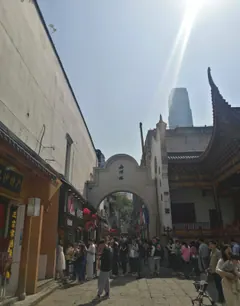
 湖南省博物馆Hunan Provincial MuseumMuseumShort ride away4.44 km6 km north-east
Chinese names and pins are matched against each city's own map data at build time; a place only gets Directions once its pin has been verified, otherwise the button searches by name.
About Orange Isle (Juzizhou)
1. Historical Origins: A Sandbar That Became a Poem
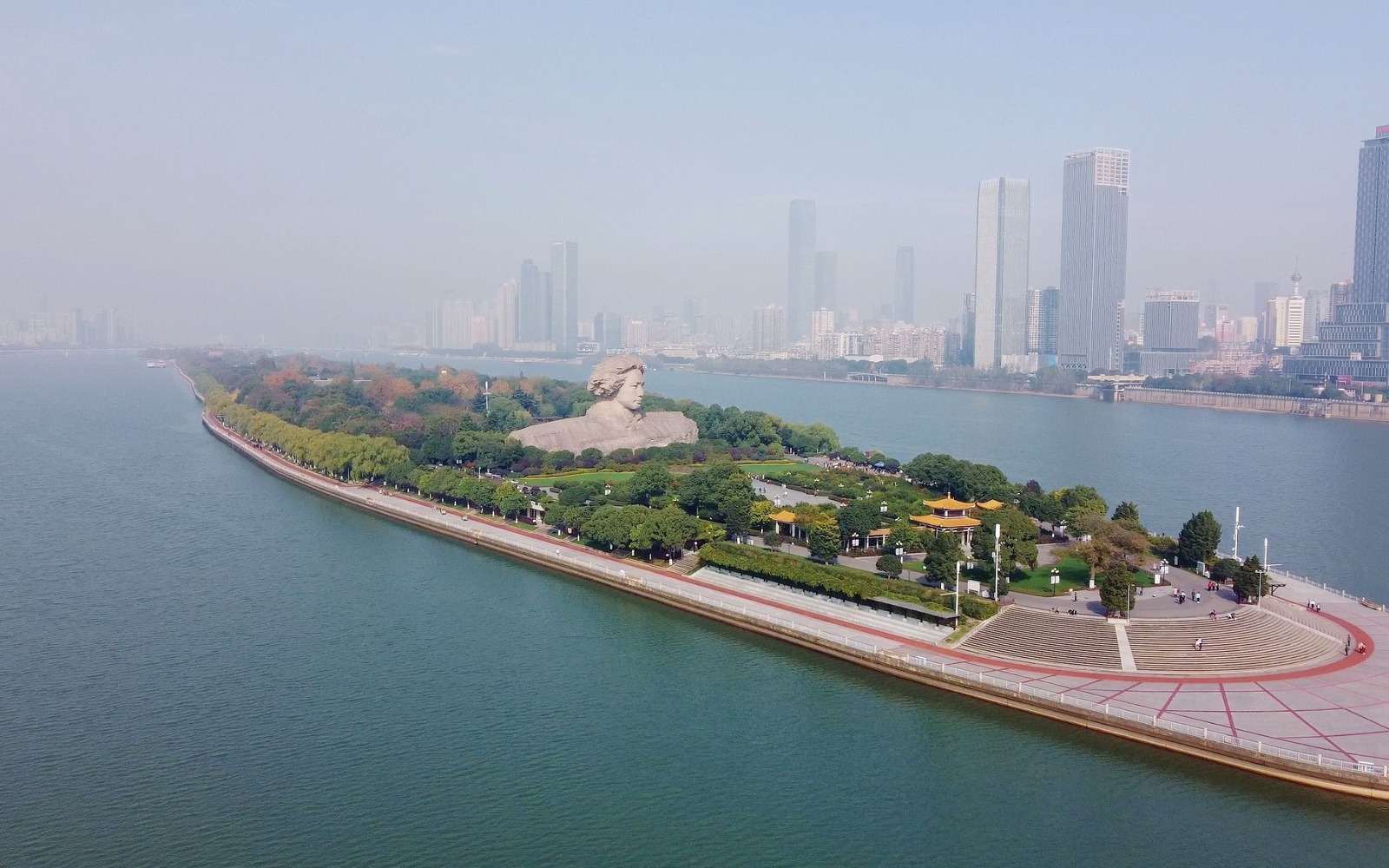
Orange Isle is a sandbar in the middle of the Xiang River, several kilometres long and never more than a few hundred metres wide. It formed slowly: sediment trapped behind the current piled up from around AD 305, four separate shoals joined into one, and the resulting island took its name from the sweet oranges grown on it.
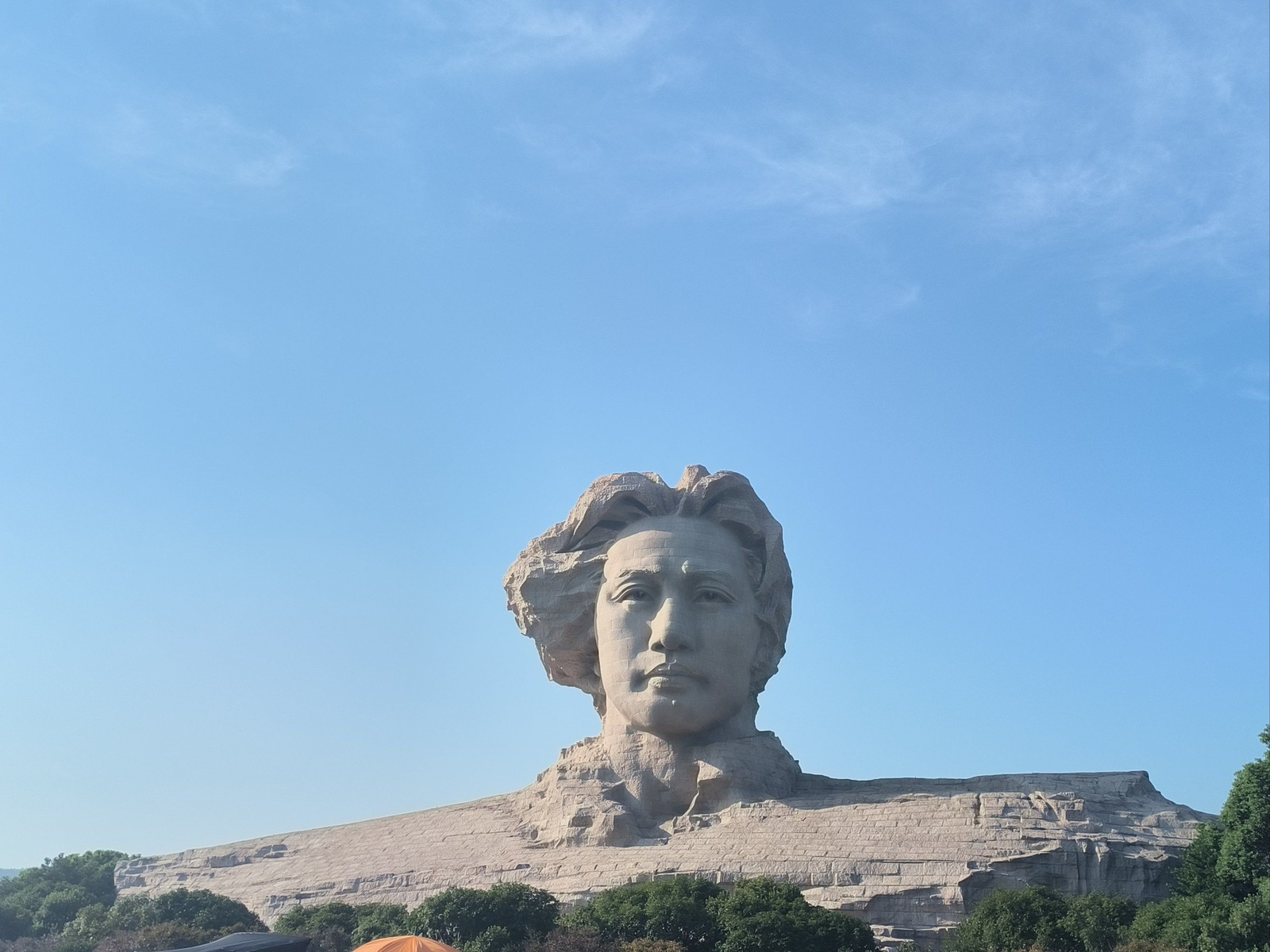
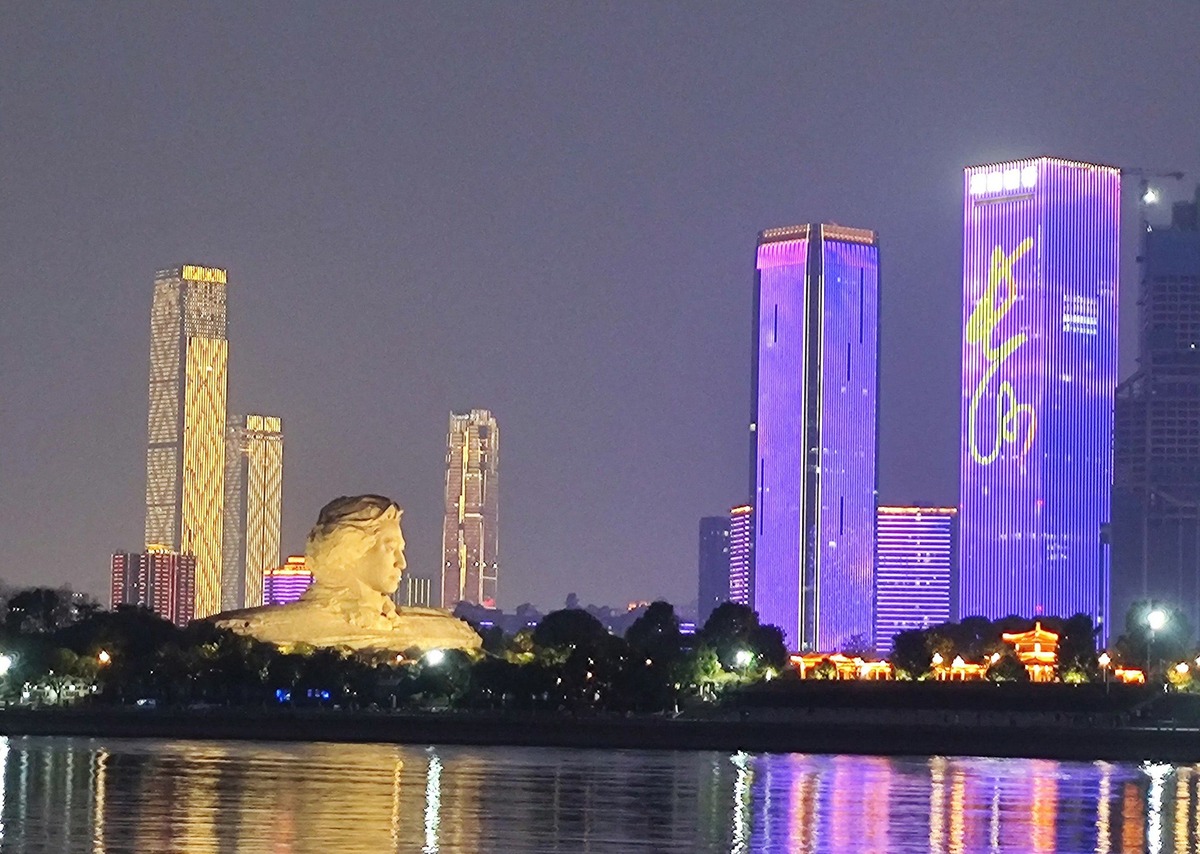
For most of its history it was farmland and orchards. What made it famous is a single poem. In 1925 Mao Zedong, then 32 and back in his home province between political campaigns, walked here in late autumn and wrote Changsha — a ci poem that opens with the line “standing alone in cold autumn, the Xiang flowing north” and made the island’s name familiar to every Chinese schoolchild. The statue at the island’s head, 83 m long, 41 m wide and 32 m high, is modelled on his appearance that year, at that age.
The island is free, sits directly under Yuelu Mountain, and functions as the city’s front garden: 2–3 hours of flat walking, a river on both sides, and a skyline view back towards the towers.
2. What to Spot: The Statue, the Poem, and the River on Both Sides
🗿 The Young Mao Statue
- The Story: The head of the island is dominated by a 32 m granite sculpture of Mao in 1925 — the haircut, the collar, the set of the jaw all drawn from photographs of him that year, which is why it reads as a portrait rather than a monument.
- What to Look For: Stand at the base and look up: the effect is designed for that angle. It is also the single most photographed object in Hunan, so come early or accept a crowd.
📜 Wentian Terrace
- The Story: A raised platform on the island’s spine, named for the poem written here — wen tian means “asking heaven”.
- What to Look For: The view back across the water to Yuelu Mountain, which is the framing the poem describes.
🌳 The Old Tree and the Beach
- The Story: A camphor tree on the island is reckoned to be about 180 years old, older than anything built here; the 20-hectare beach park at the southern end was added in the 2000s.
- What to Look For: The tree for shade and a sense of scale; the beach park only if you have children with you, since it charges separately and is a manufactured attraction.
3. Cultural Contrast: A Park People Actually Use
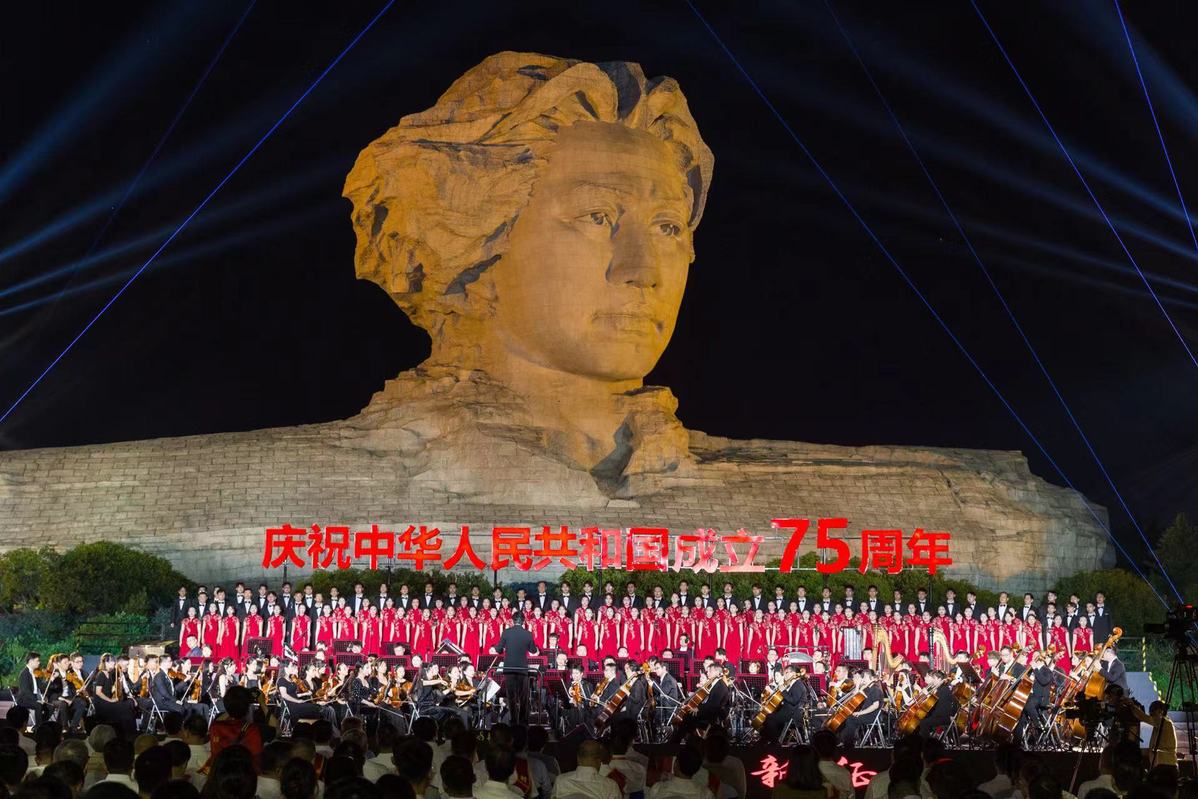
Chinese scenic areas of this scale are usually fenced, ticketed and organised around a shuttle bus. Orange Isle is not: it is open at all hours, free to enter, and used by Changsha residents for jogging, wedding photographs and evening walks. The commercial layer — the train, the beach park, the boat trips — is optional and sits around the edges.
The comparison that matters is with Yuelu Mountain across the water. The mountain is the classical, literary view of Changsha; the island is where the city goes to look at it. Walk the island in the late afternoon, cross to the mountain the next morning, and you have seen the two halves of how this city imagines itself.
4. Practical Essentials: Tickets, Transit & Scam Alerts
Tickets & Passport Booking
- Price: The island is free and always has been. Two things cost money: the sightseeing train (quoted at ¥20 per ride, or ¥40 for a five-ride pass depending on the source) and the beach park (about ¥50).
- How to Book: Nothing to book for the island — walk on. Train tickets are bought at the island’s own stations, cash or Chinese payment app; foreign cards generally are not accepted, so bring cash or set up Alipay before you arrive.
- Opening Hours: The island is open 24 hours. The 100 m fountain runs on weekends and public holidays only, and the train stops in the evening — check the board at the station rather than a guidebook.
How to Get There
- By Metro: Line 2 to Orange Isle Station — the station is on the island itself, which is the easiest arrival at any attraction in Changsha. On fireworks nights the station closes after 19:00, so plan to arrive earlier or use a taxi.
- By Bus: Routes 26, 117, 118, 132, 152, 308, 315, 317, 318, 325, 401, 407, 417, 811, 913 and tourist loop 3 stop at Juzizhou Bridge West, from where you walk 10 minutes onto the island.
- Show Your Driver: 师傅,请带我到橘子洲景区,橘子洲大桥西,谢谢!
Inside Tips & Scam Alerts
- The island is long and there is no shade for much of it. Walking end to end and back is a long way in the open; take the train one way, or walk only the northern half around the statue.
- Photographers in costume near the statue charge for pictures. There is no official photo service at the head of the island; agree a price before anyone puts a prop in your hands.
- No left luggage anywhere on the island. Hotels will hold bags after checkout — do that rather than dragging a case onto the train.
- Fireworks nights are spectacular and chaotic. The displays run on limited dates and the metro closes its island station afterwards; the better viewing position is actually the far bank at Du Fu Pavilion, which stays open later.
- The island is flat, paved and step-free throughout, and the train is the practical option for anyone who cannot walk the full length. Wheelchair access is good on the main paths.
- Complaints: the 12345 hotline is free from any local phone.
Quick Answers
The 6 things visitors ask before setting out, answered from the same verified record used across this page.
- How much does it cost to visit Orange Isle (Juzizhou)?
- Island free; beach park ¥50. Island free. Beach park ¥50; sightseeing train ¥20 for the full loop.
- What are the opening hours at Orange Isle (Juzizhou)?
- Open 24h; the sightseeing train runs about 07:30-21:30.
- Is Orange Isle (Juzizhou) wheelchair accessible?
- Yes. A flat 5 km island with a paved riverside path and no steps on the main loop. The sightseeing train has a low step and staff help; the beach park is sand and not wheelchair friendly.
- How do I tell a taxi driver to take me to Orange Isle (Juzizhou)?
- Copy this line into DiDi or show it to the driver: 师傅,请带我到橘子洲景区(地铁橘子洲站附近入口),谢谢!
- Can I leave my luggage at Orange Isle (Juzizhou)?
- No lockers. Metro station has no left luggage either - use your hotel.
- Is there anything to watch out for at Orange Isle (Juzizhou)?
- The island is free - the only paid things are the train and the beach. Anyone at the bridge selling 'island tickets' is selling nothing. Electric carts that offer to 'drive you to the head' charge per person and are slower than walking.
Where to go next
Three short lists, recomputed at build time from the same coordinates and categories as the pages themselves — no paid placement, no hand-picked names. Every card is a published guide.
Next stop in Changsha
Straight-line distance from this spot, so you can judge what is walkable and what needs a taxi.


More like this, elsewhere in China
If park or garden is what you came for, these are the closest equivalents you can reach in another city — ordered by distance, one city per card.


Change the subject
Deliberately a different category, for when one more temple or garden would blur into the last one.


Lists are derived from coordinates and category alone. Fix a wrong pin or re-tag a place and every list that mentions it moves with it.
Before you go · arrival essentials
Practical guides that pair with this kind of place — picked by category, not sponsored placement.